Southeast Raleigh Summer 2026 Apprenticeships
Urban Sustainability Solutions is proud to recognize the dedication of our Southeast Raleigh Magnet High School summer cohort, whose teacher team successfully led an ambitious series of three back-to-back programs throughout the month of June. This intensive schedule included the Basic Rain Garden Course, Advanced Rain Garden Course, and Cistern Course, each running for approximately one week and building on the skills learned in the previous session.
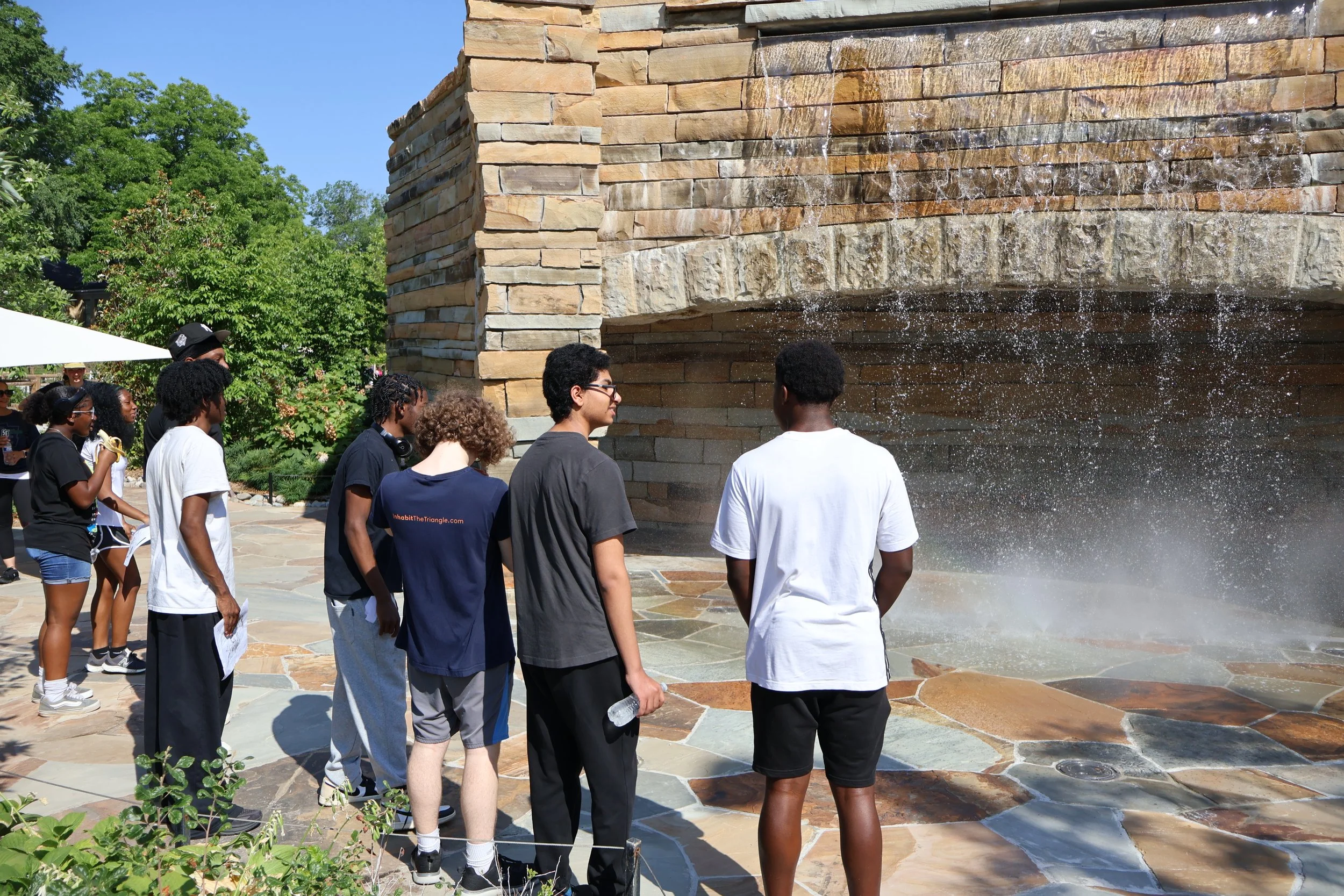
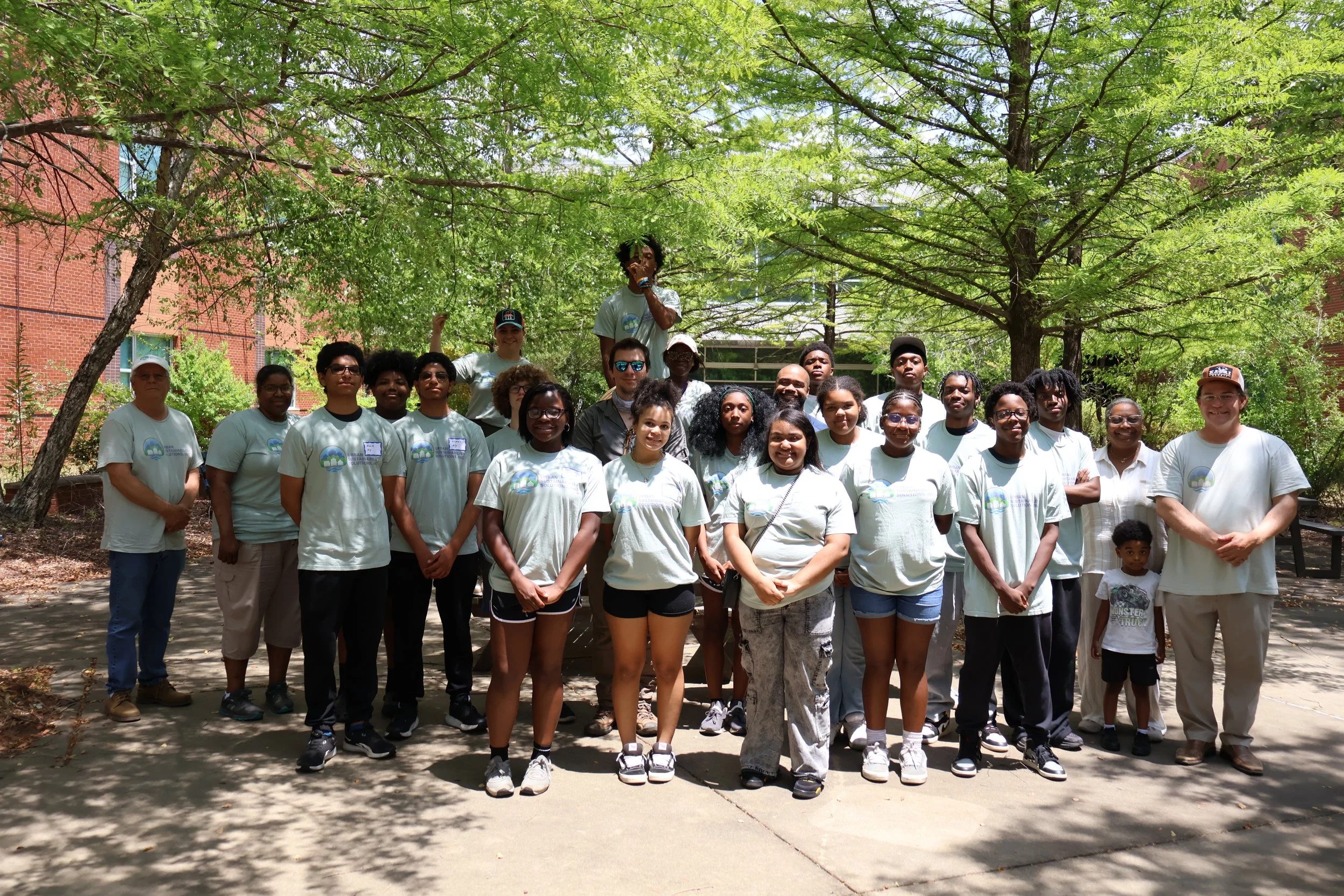
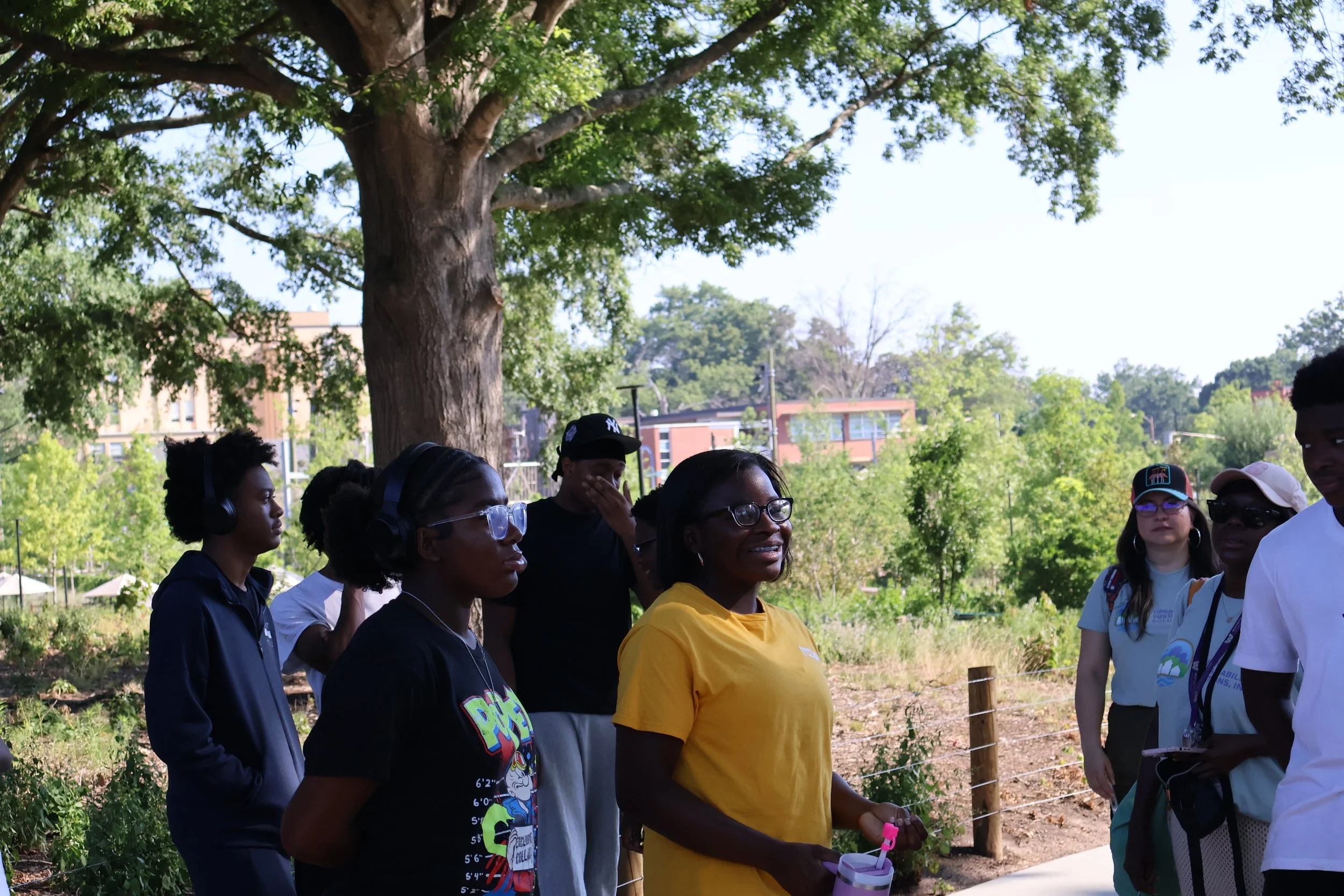
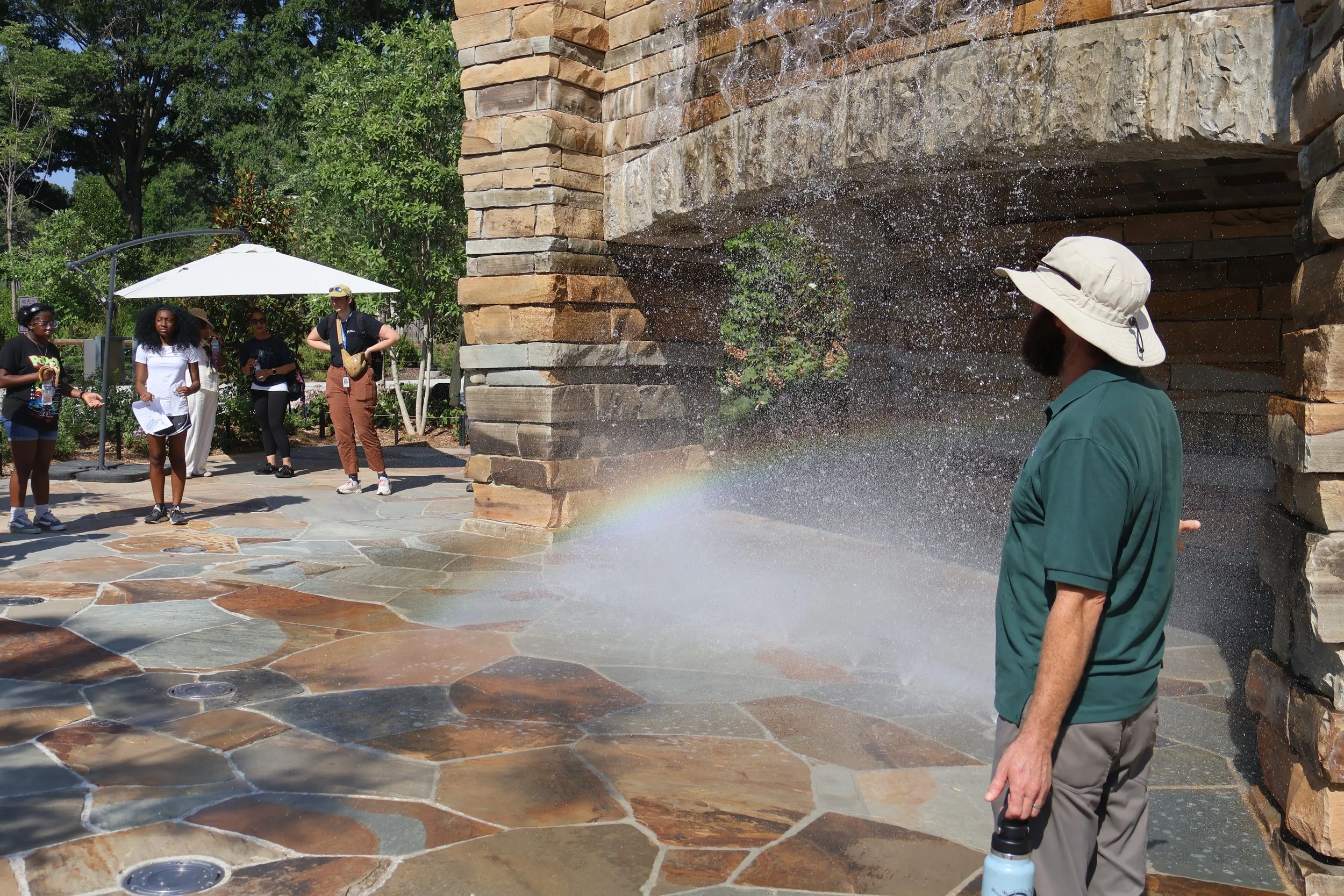
Rain Garden Group in front of the waterfall feature at Gibson Play Plaza.
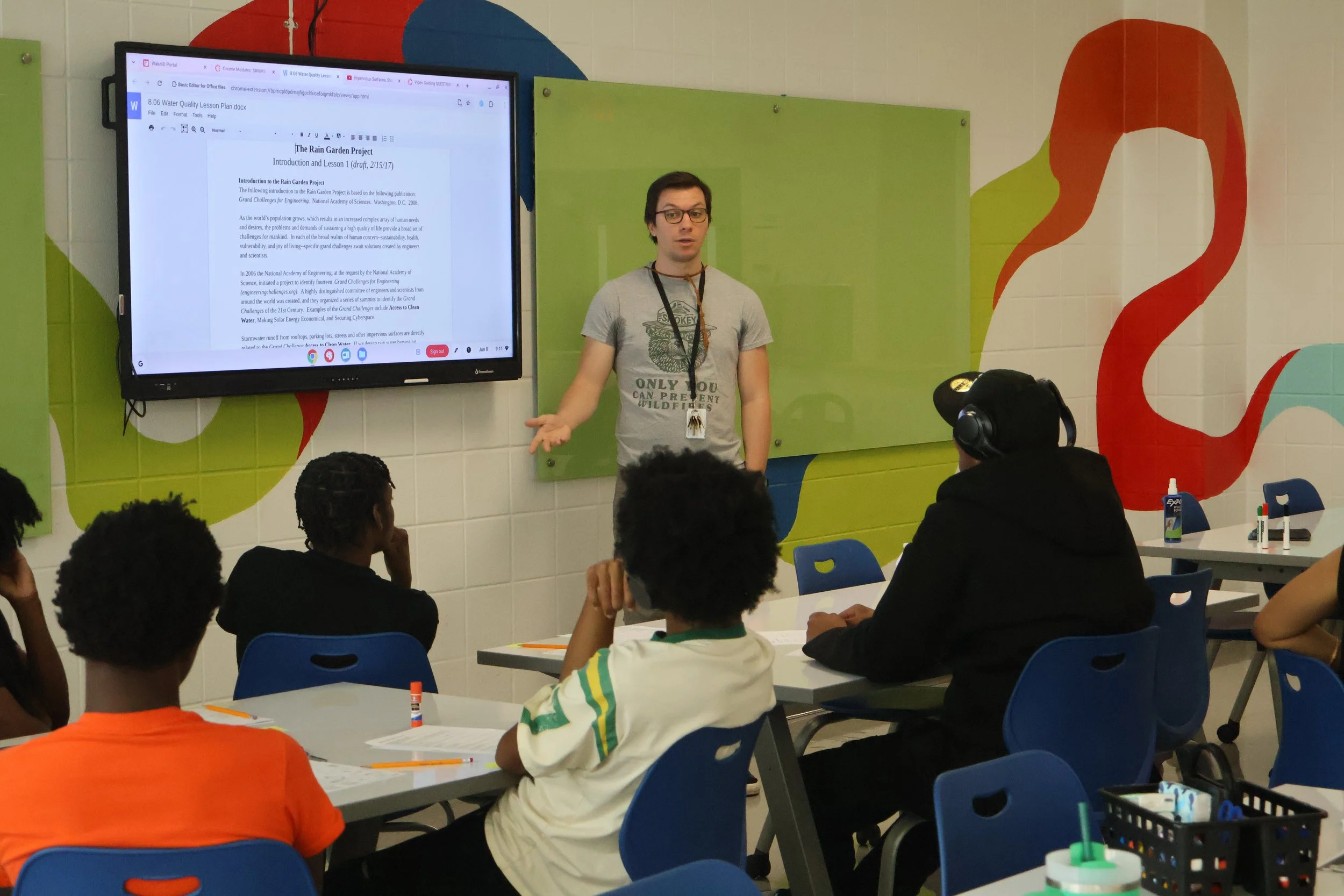
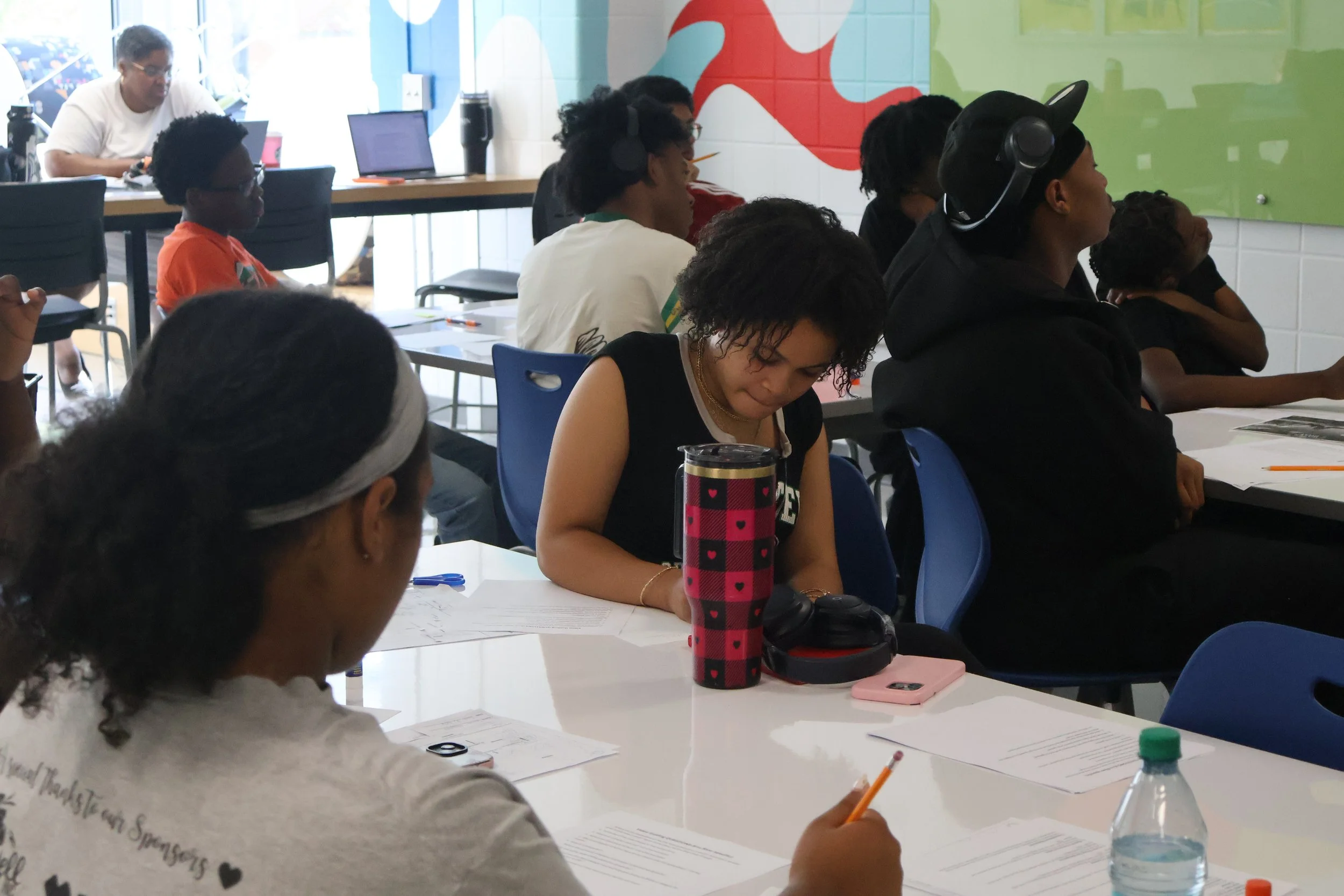
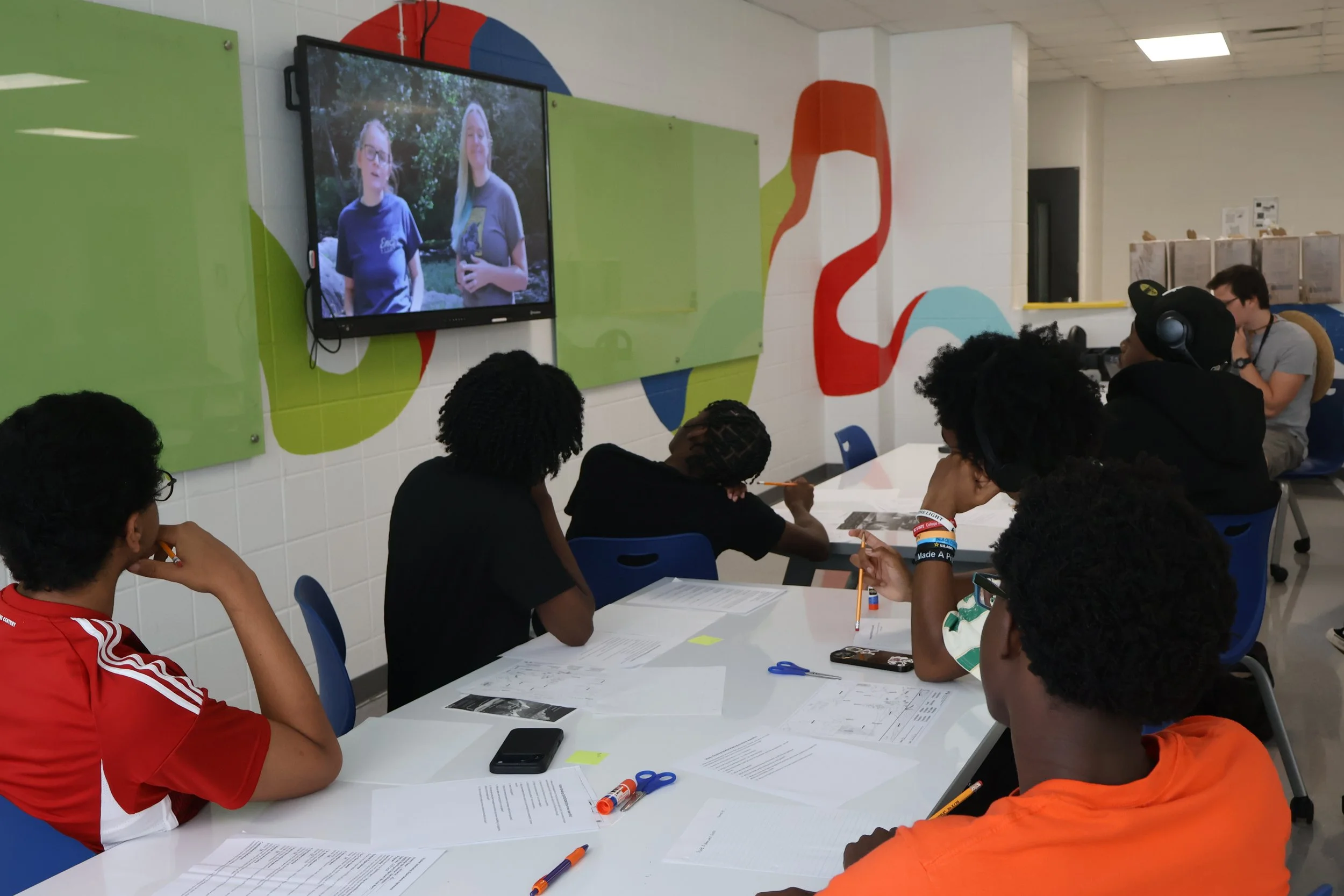
The Basic Rain Garden group began by developing a strong foundation in stormwater concepts, exploring how runoff impacts local streams, water quality, and North Carolina watersheds. Through classroom learning and discussion, students gained a better understanding of the role green infrastructure plays in protecting natural resources at the community level.
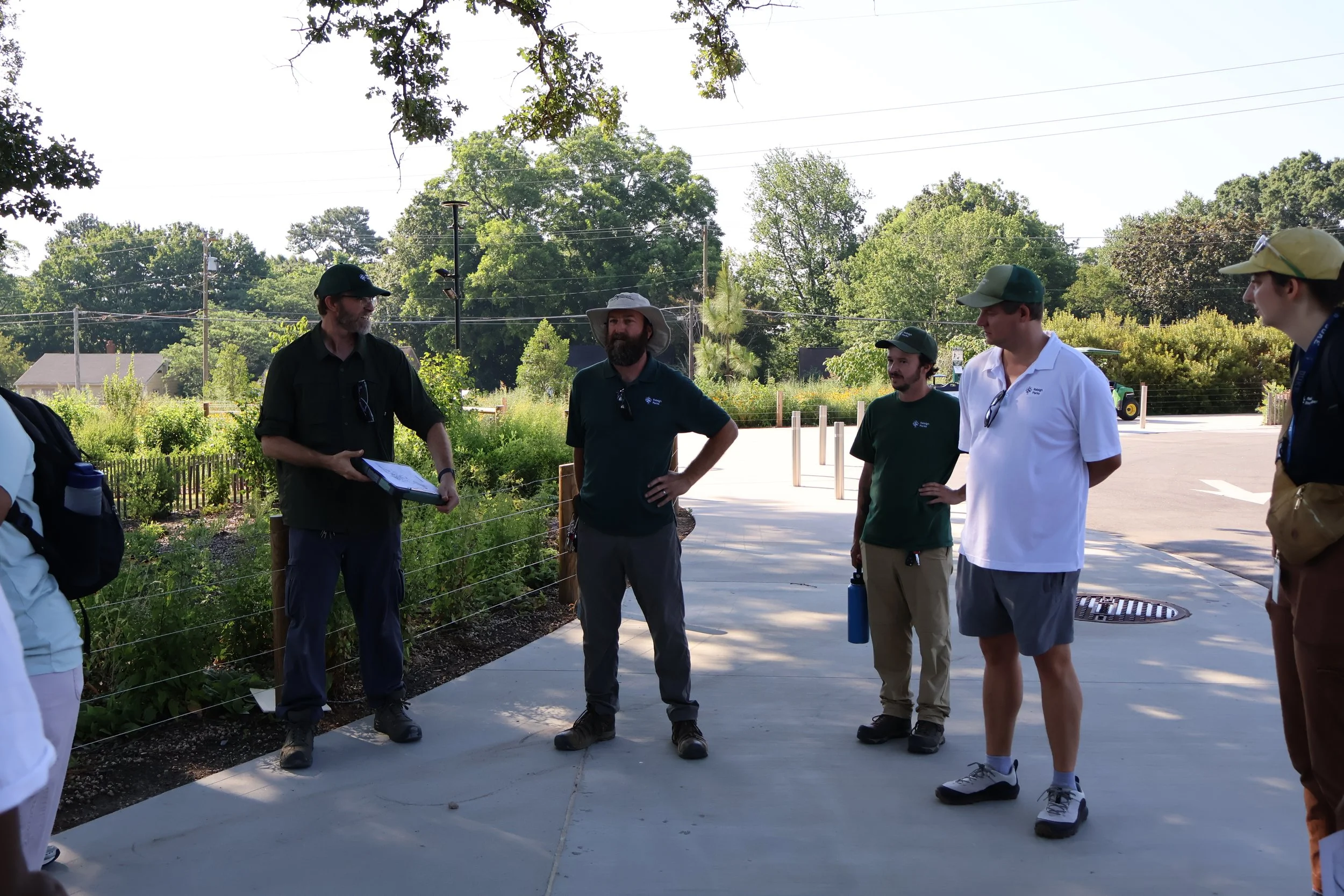
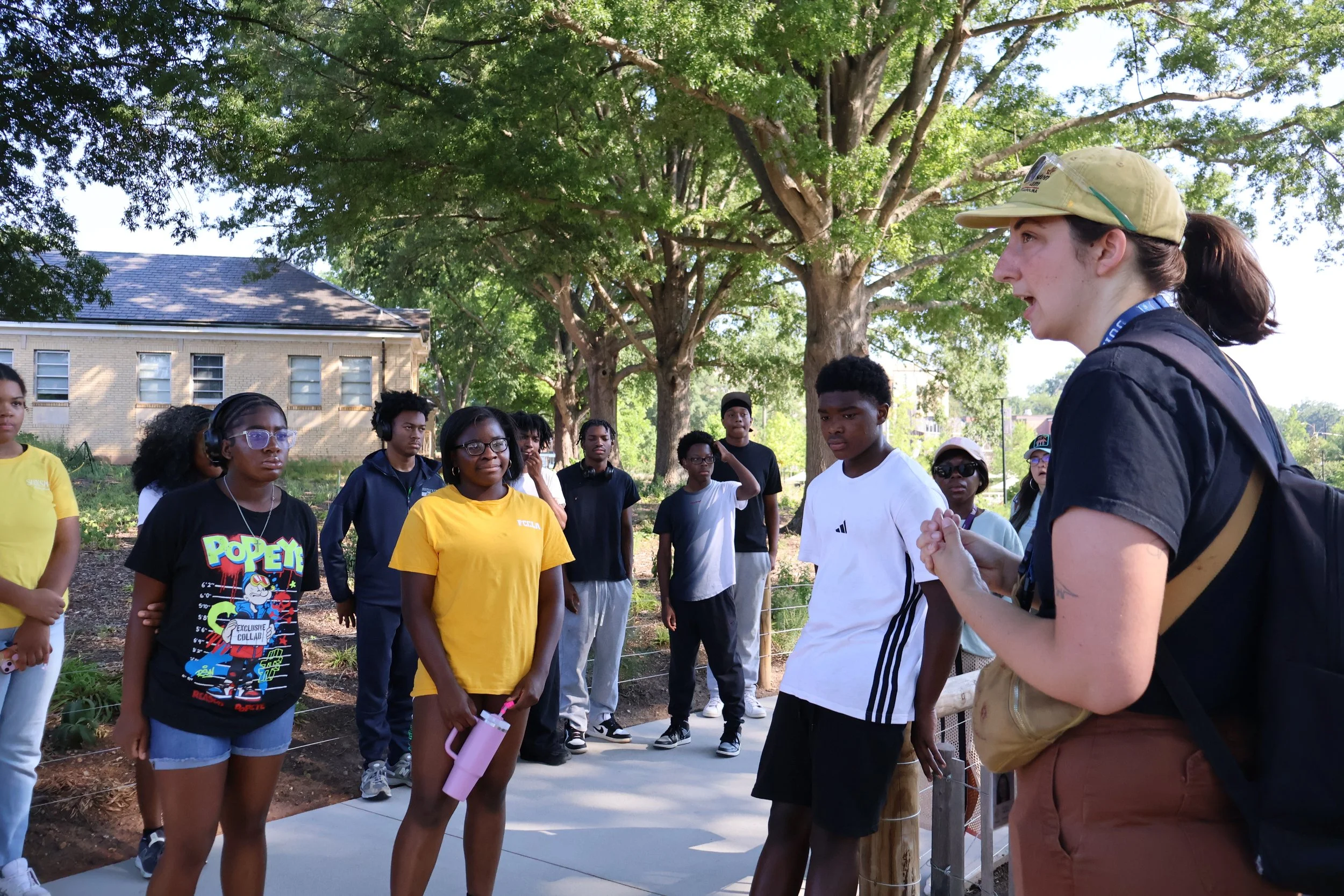
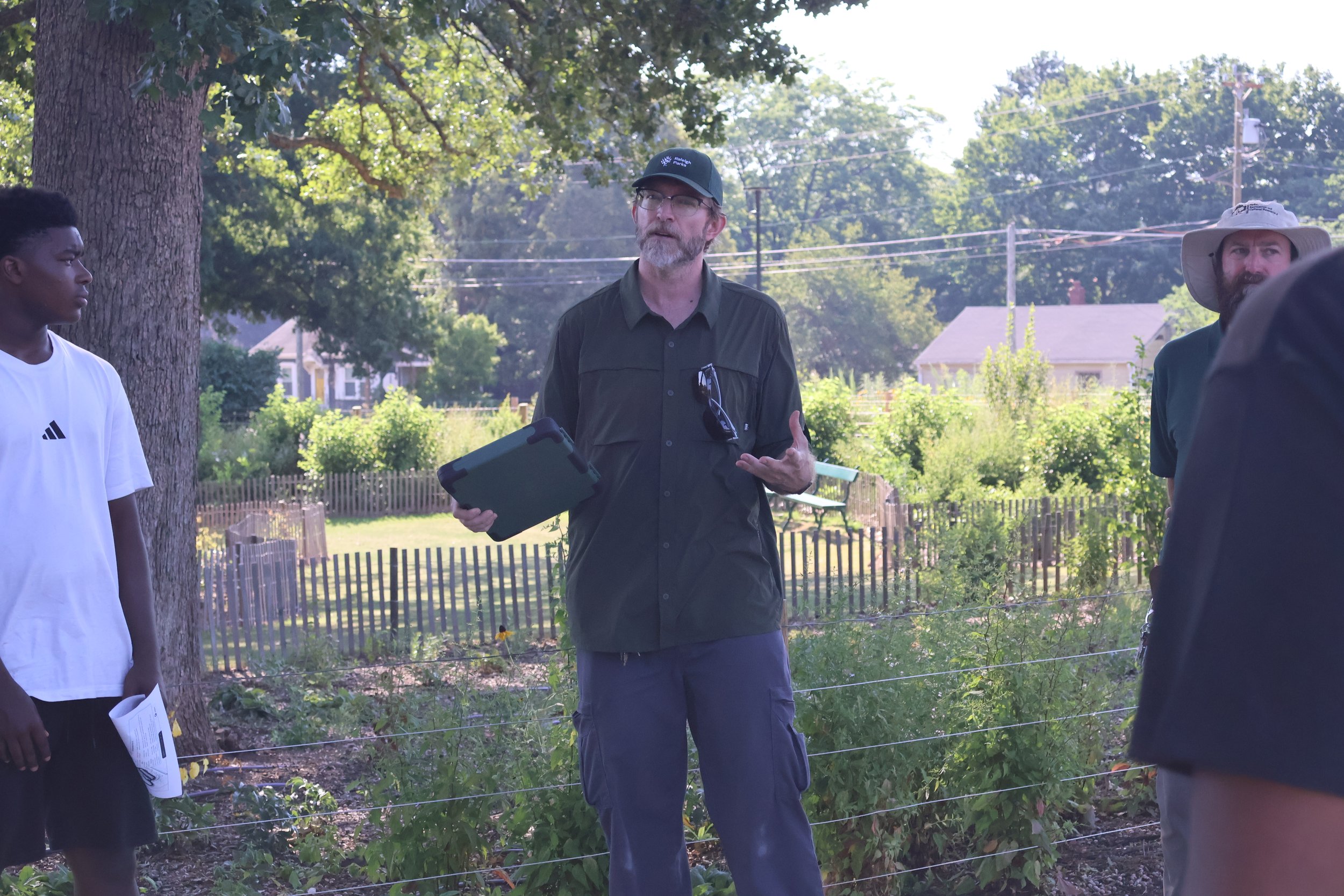
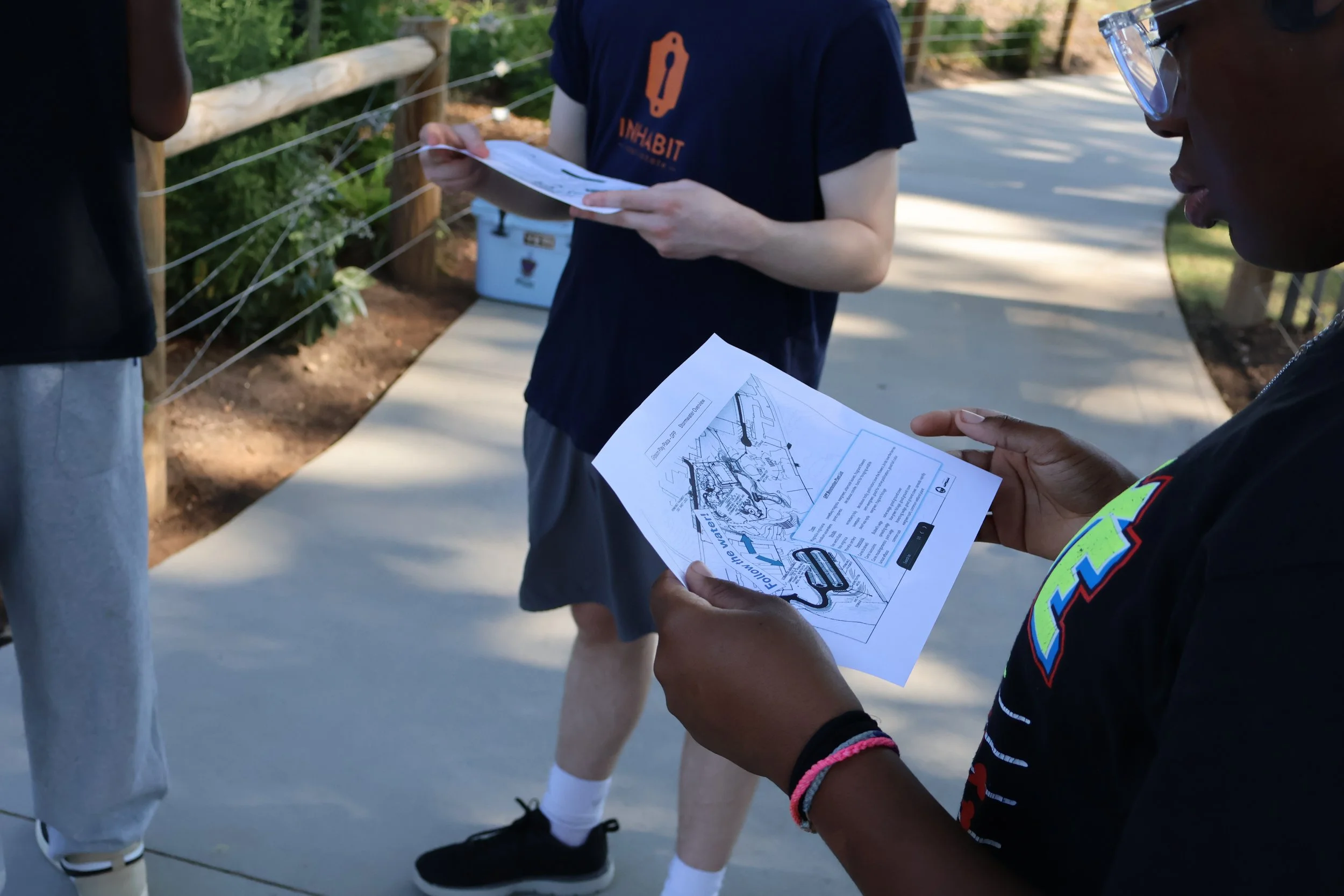
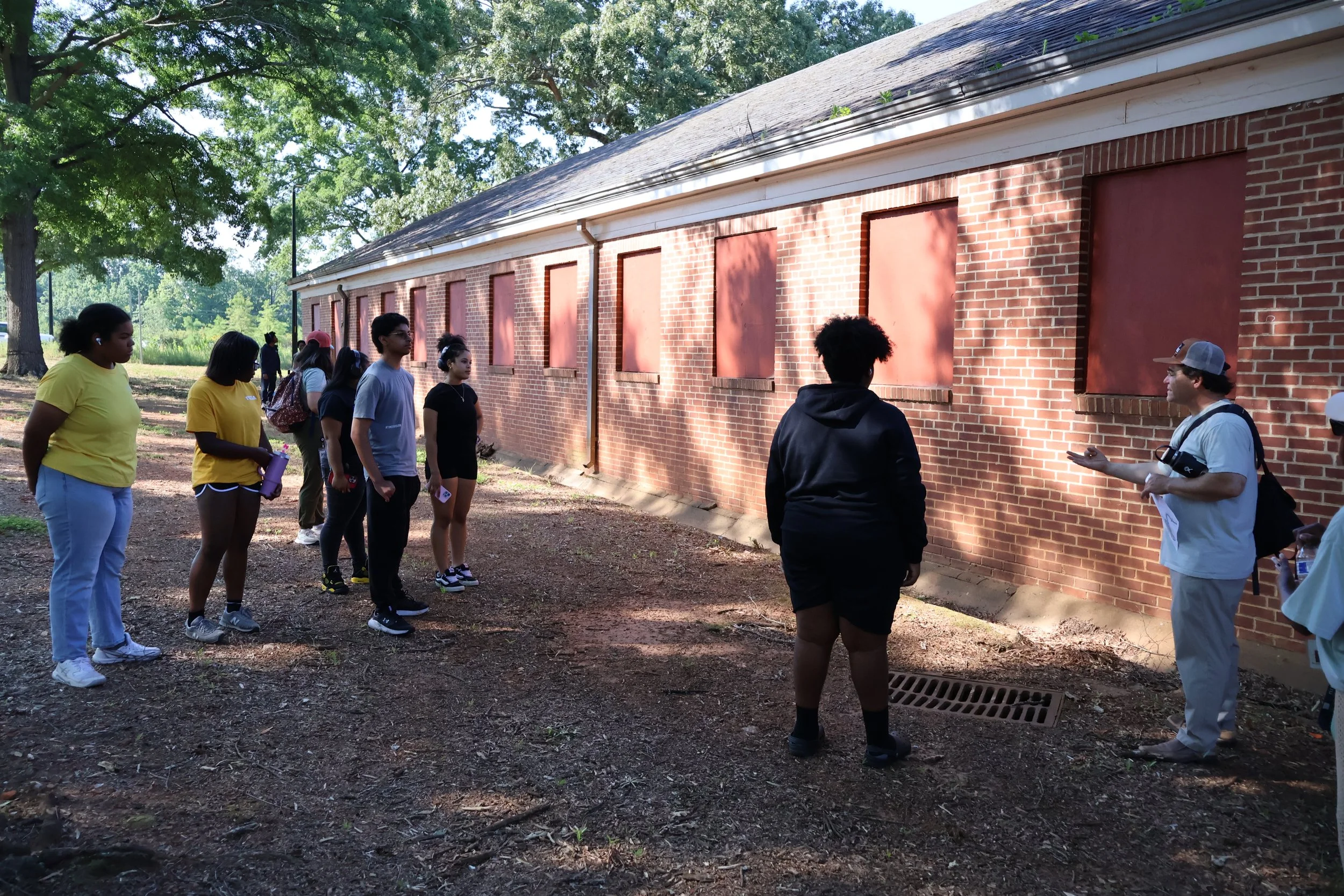
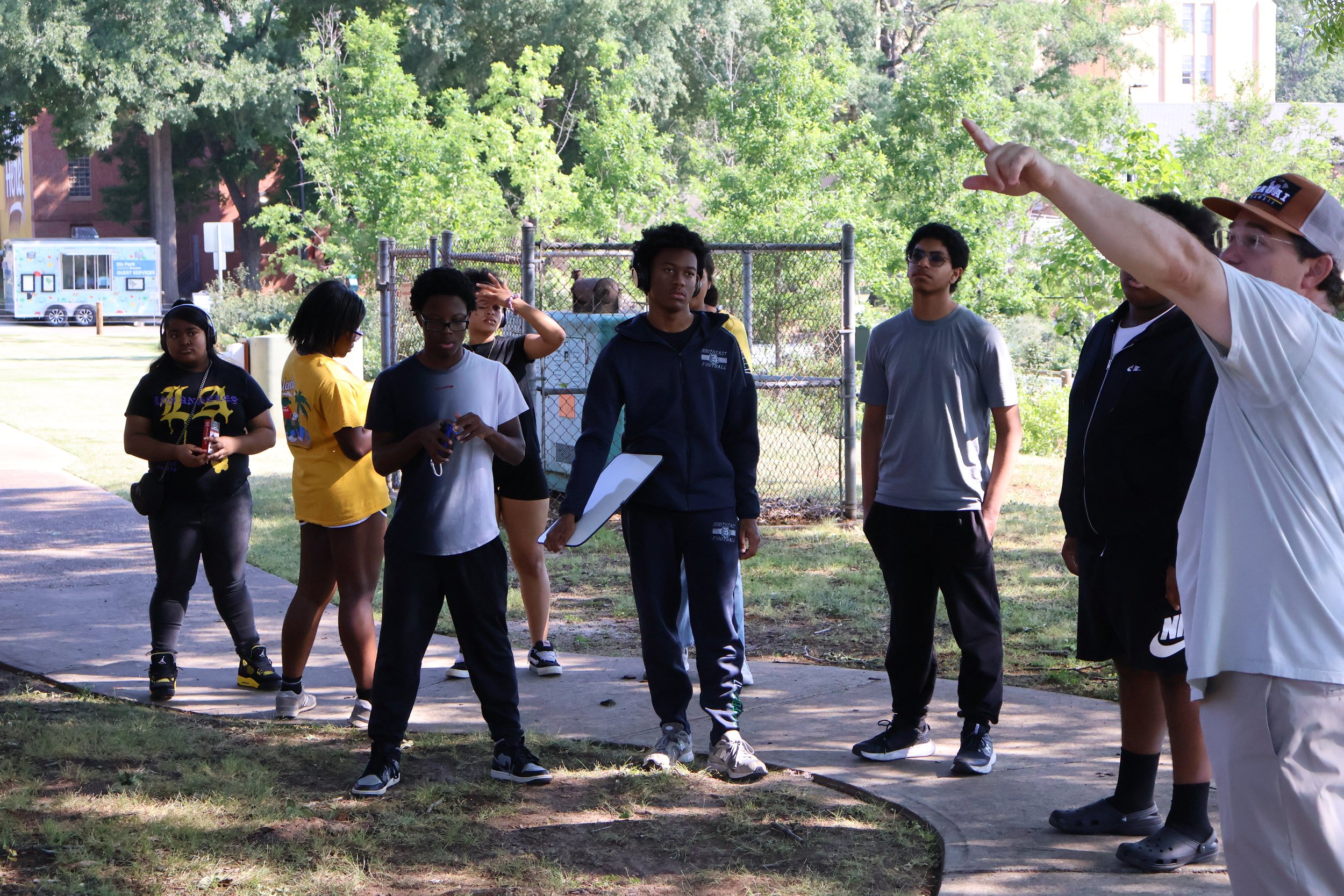
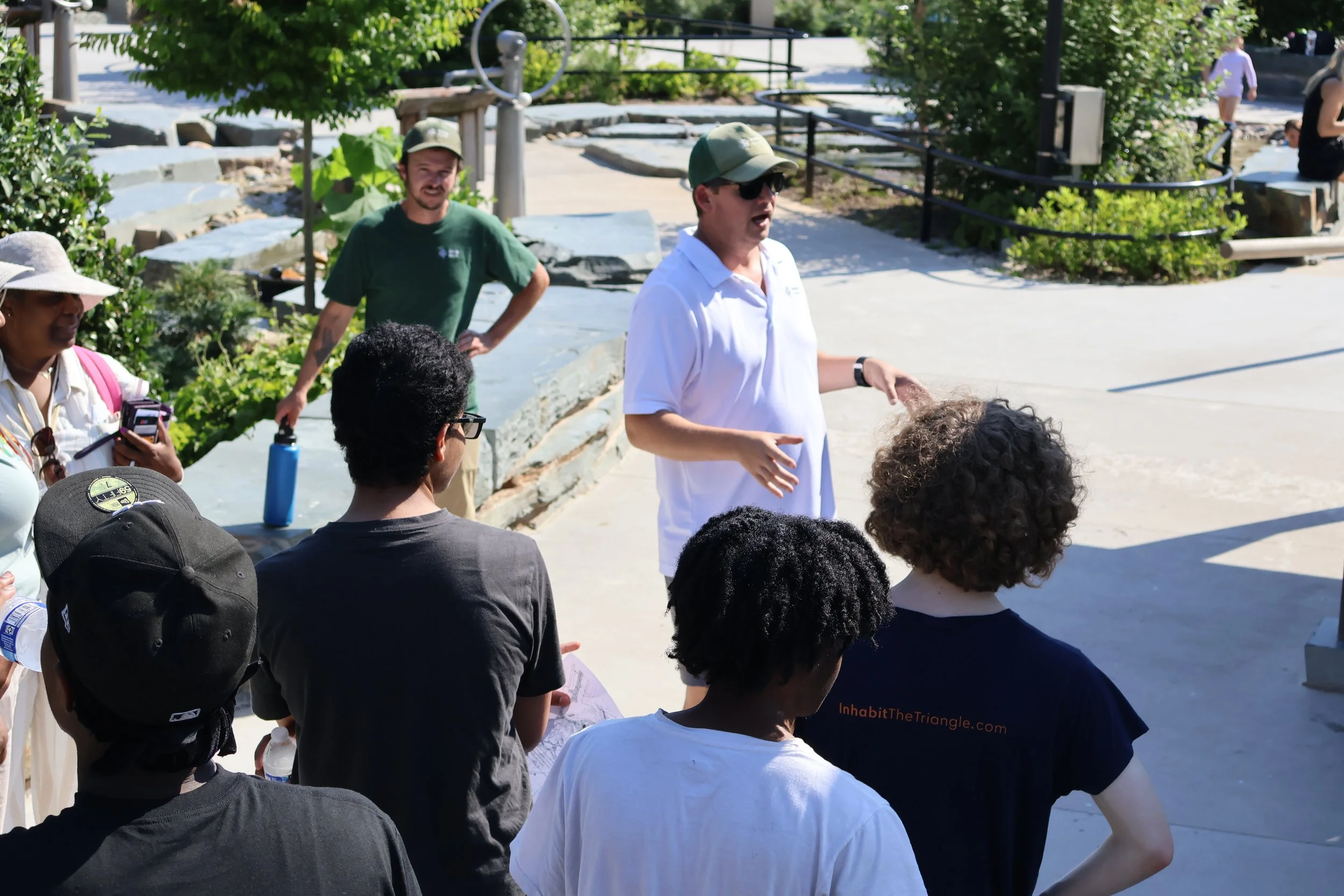
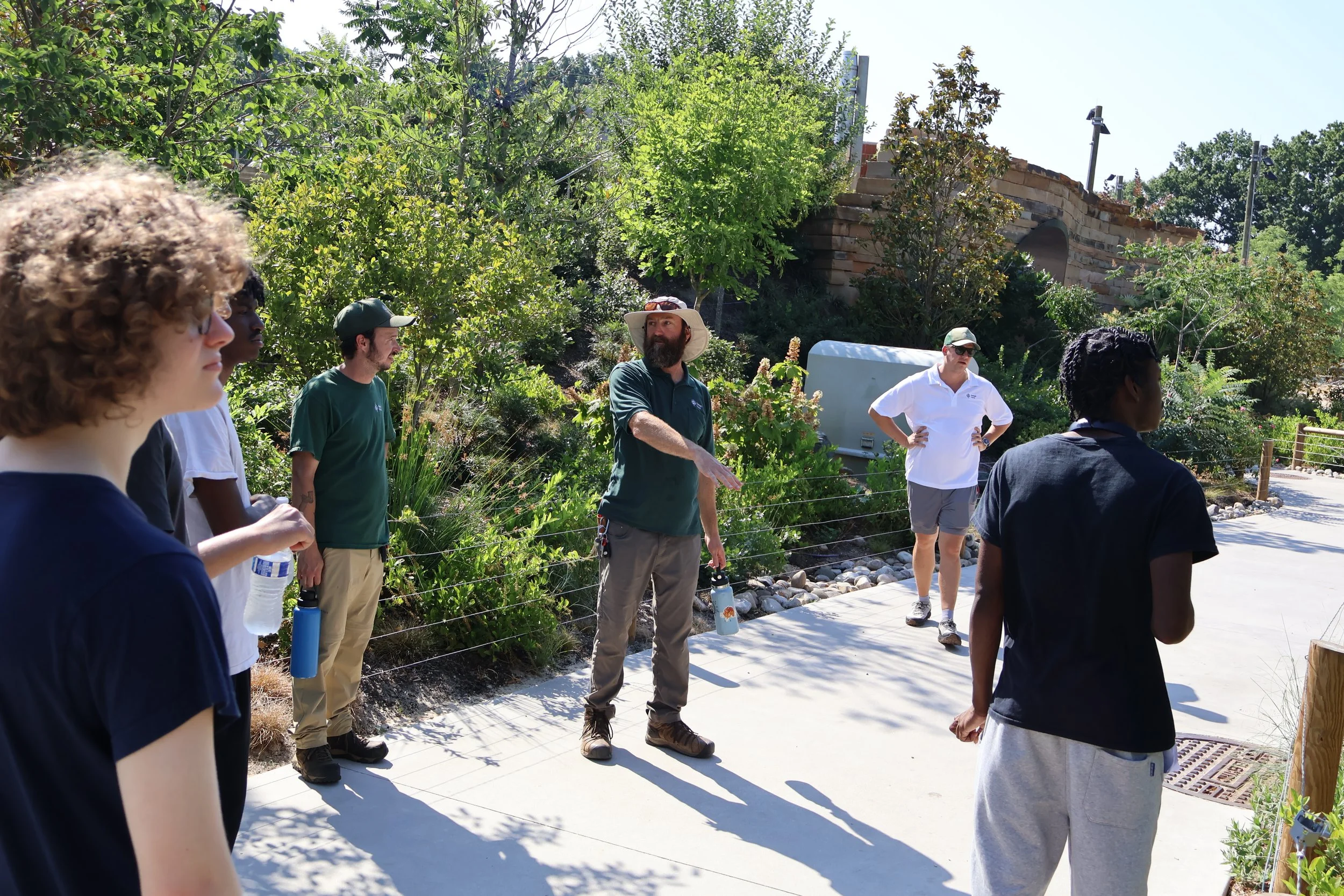
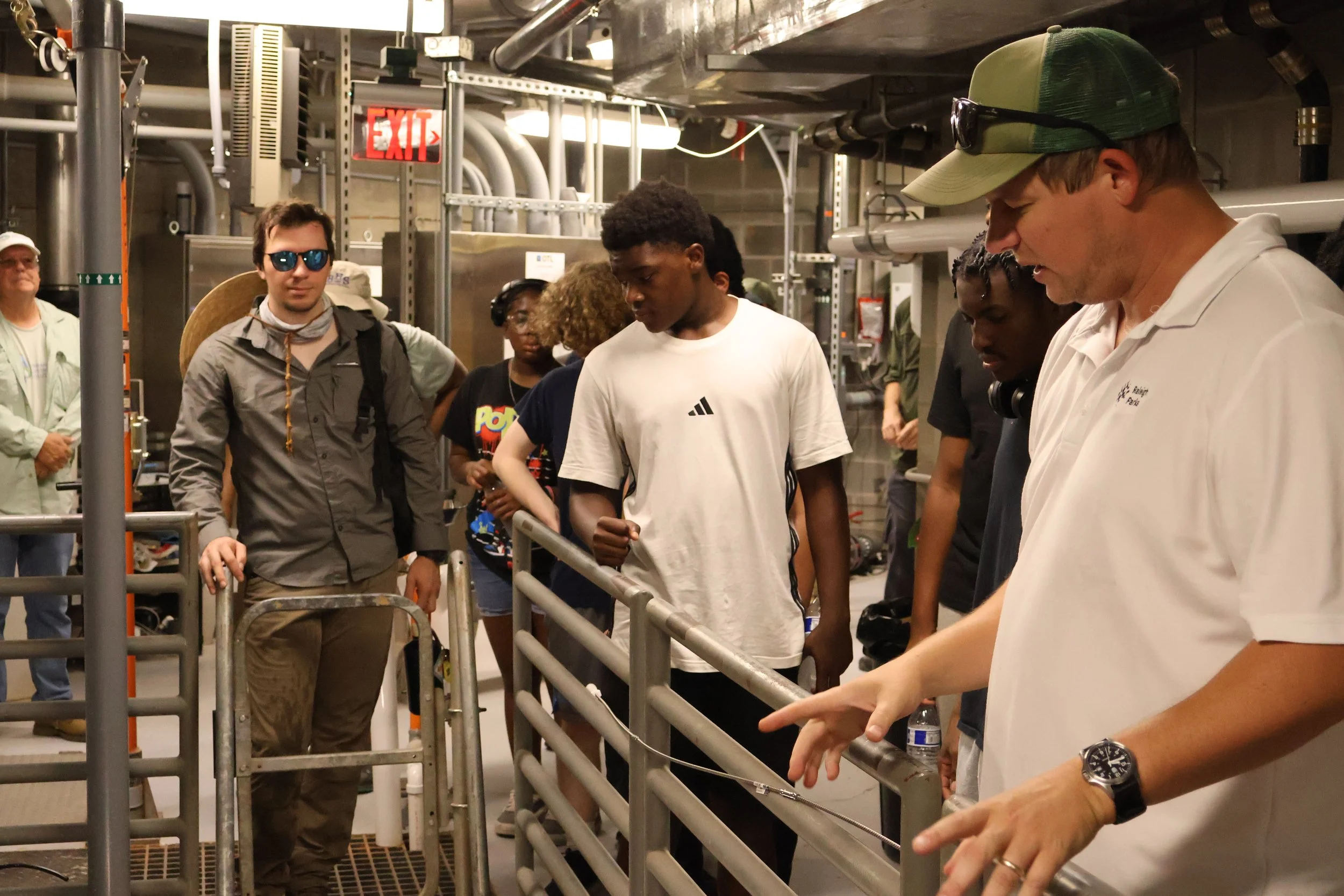
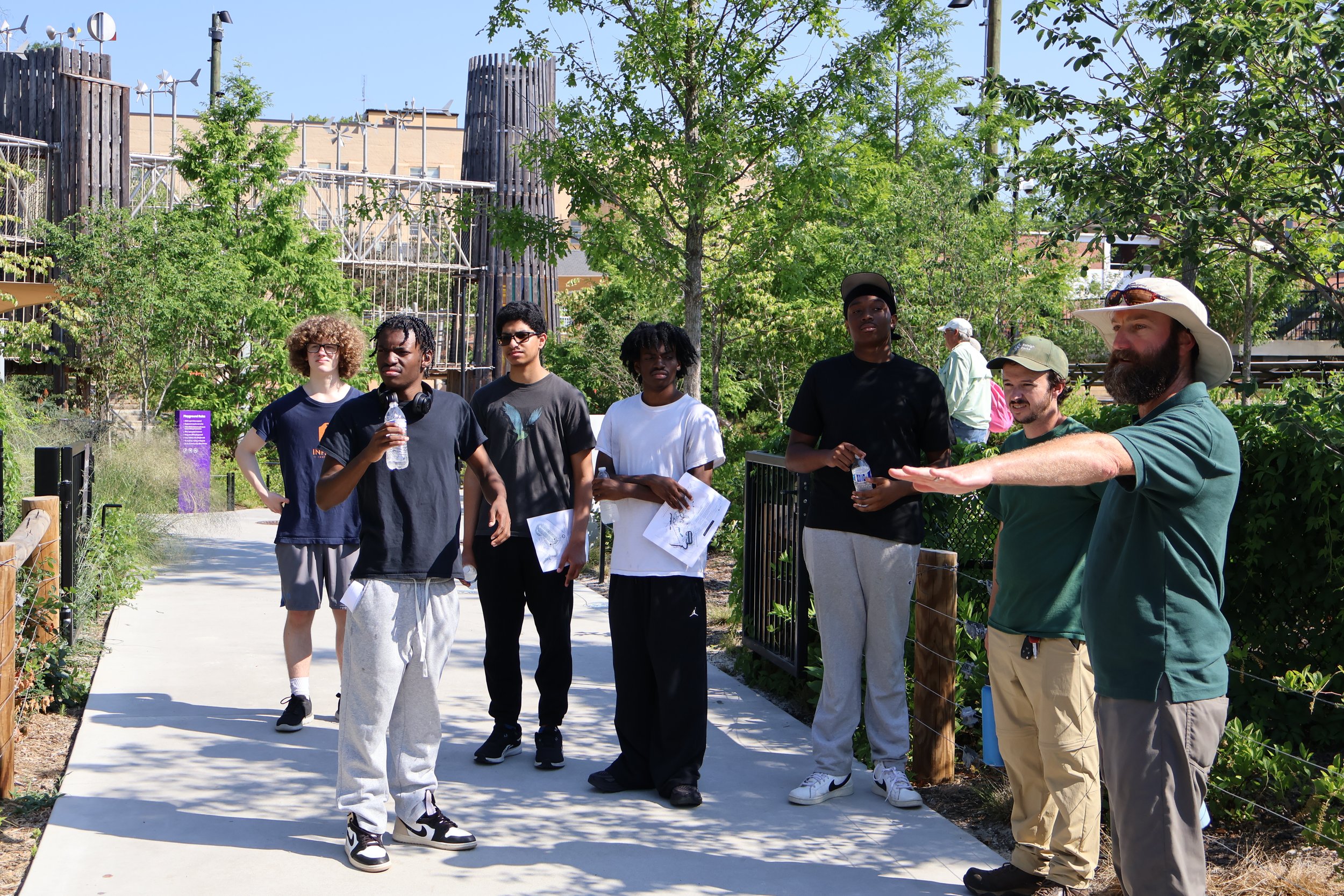
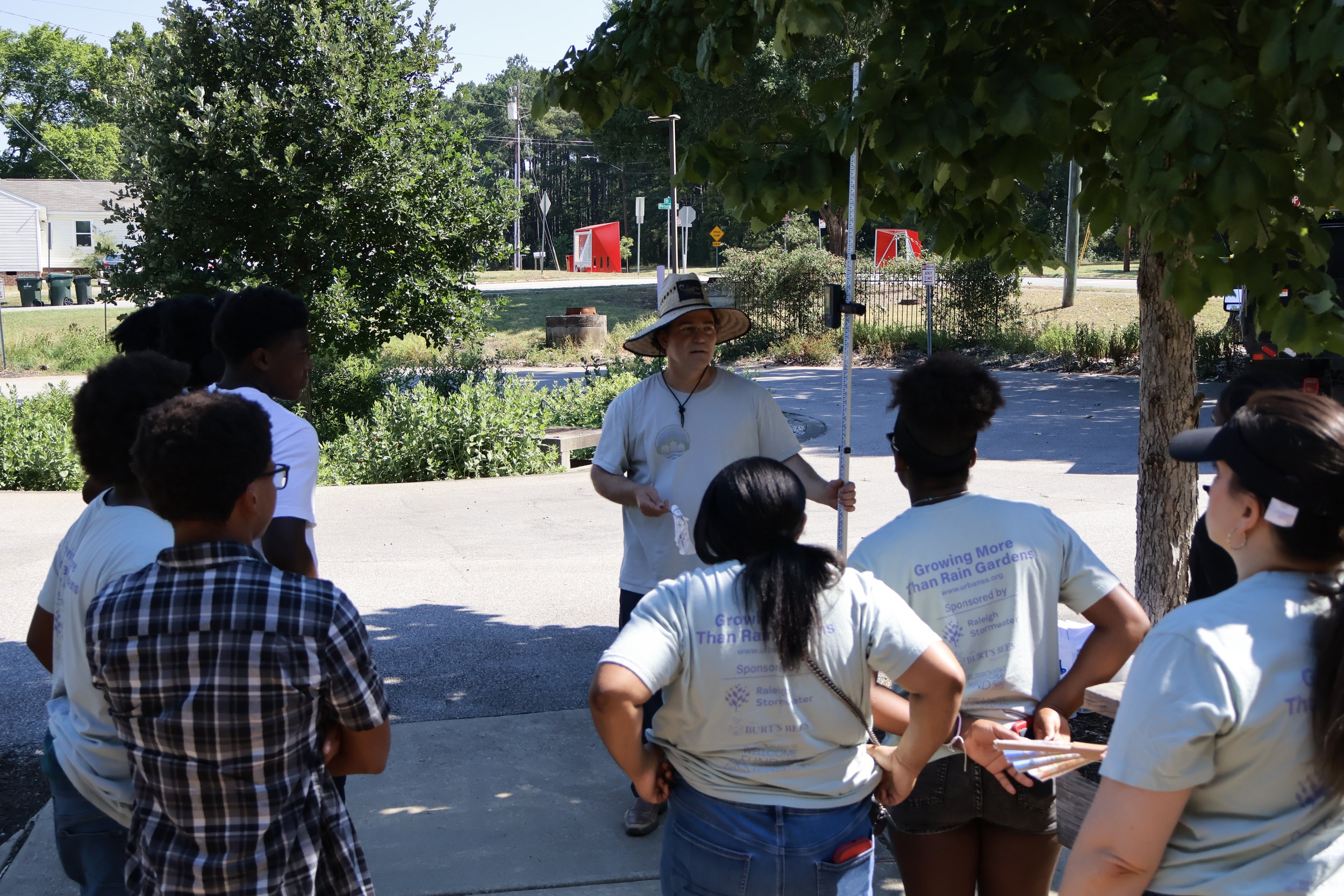
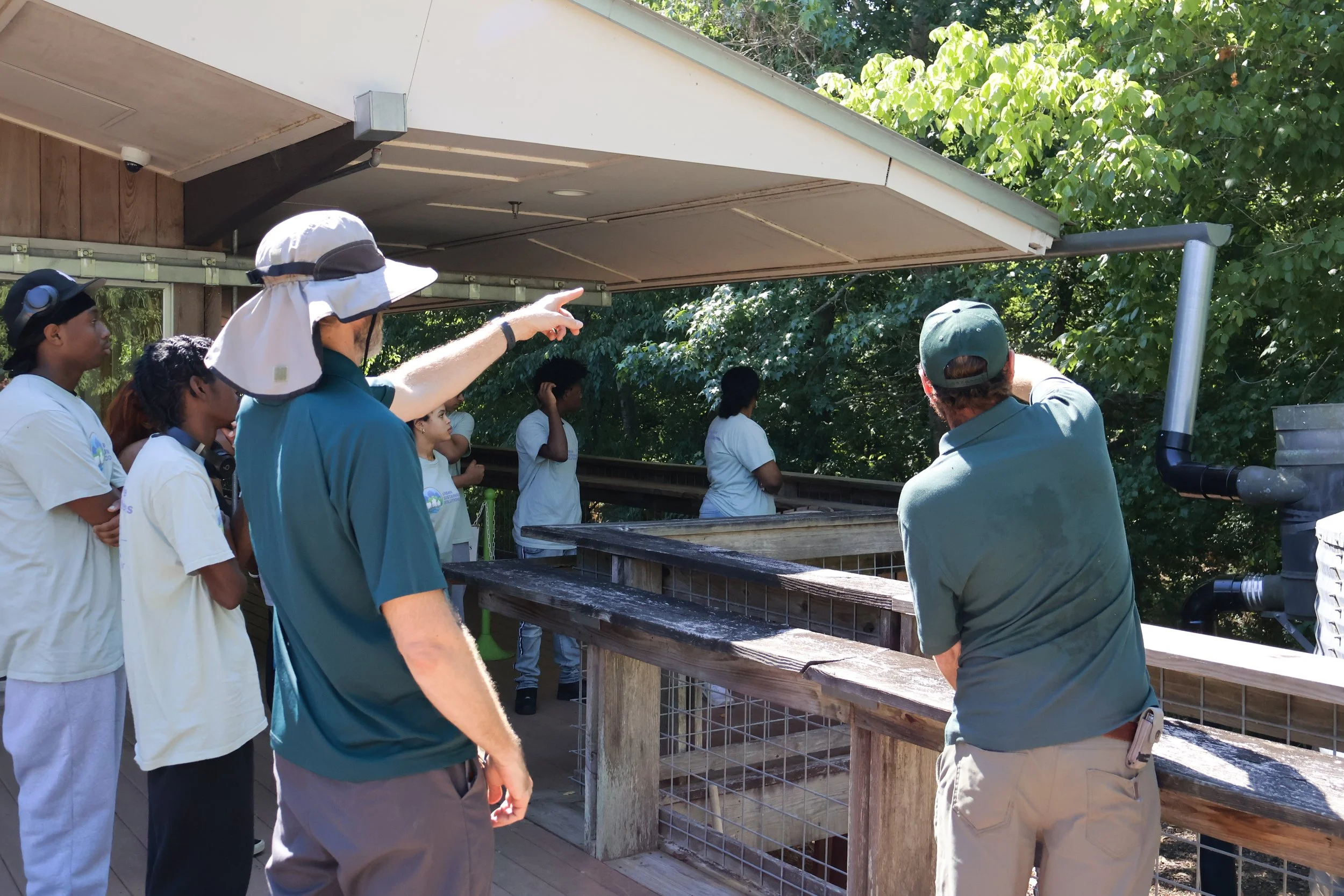
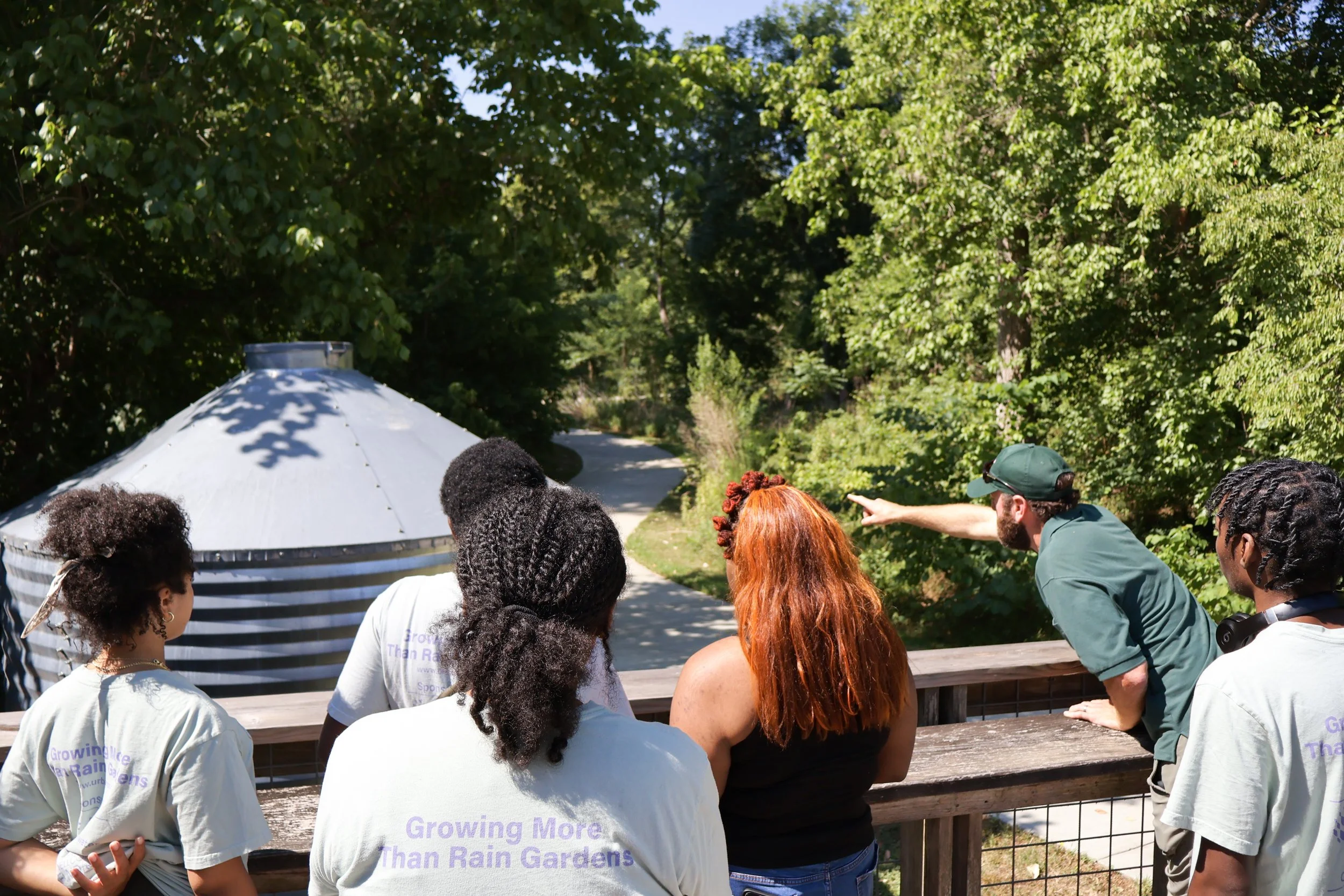
On their field day, students visited Gibson Play Plaza at Dix Park, where they received a guided tour from Raleigh Parks Maintenance staff. Students explored a variety of stormwater control measures and bioretention areas integrated throughout the park, seeing firsthand how these systems function in a large public space. A highlight of the visit was learning about the inner workings of the plaza’s waterfall feature, which captures, treats, and recirculates stormwater, transforming it into an engaging and interactive feature for visitors while improving water quality.
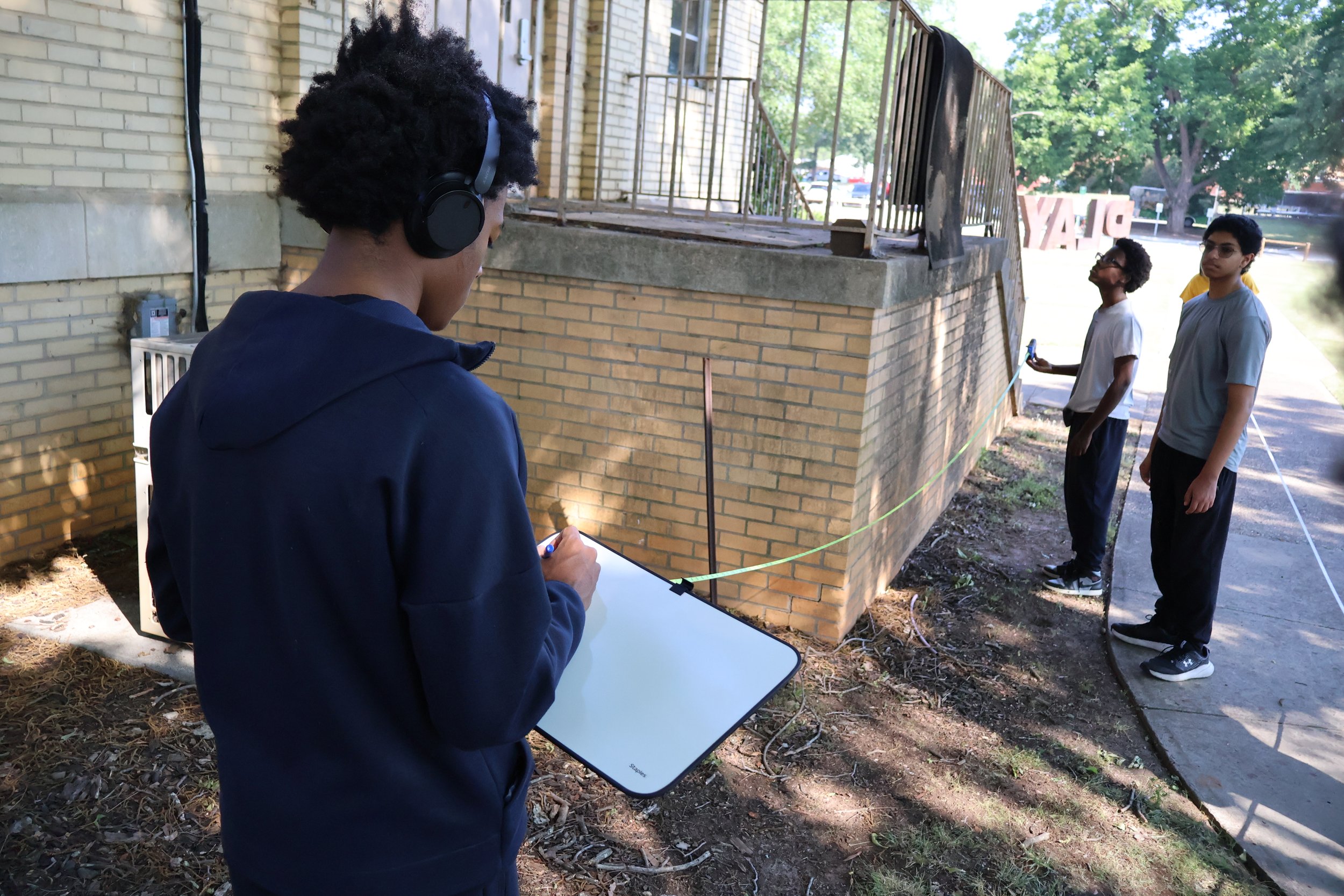
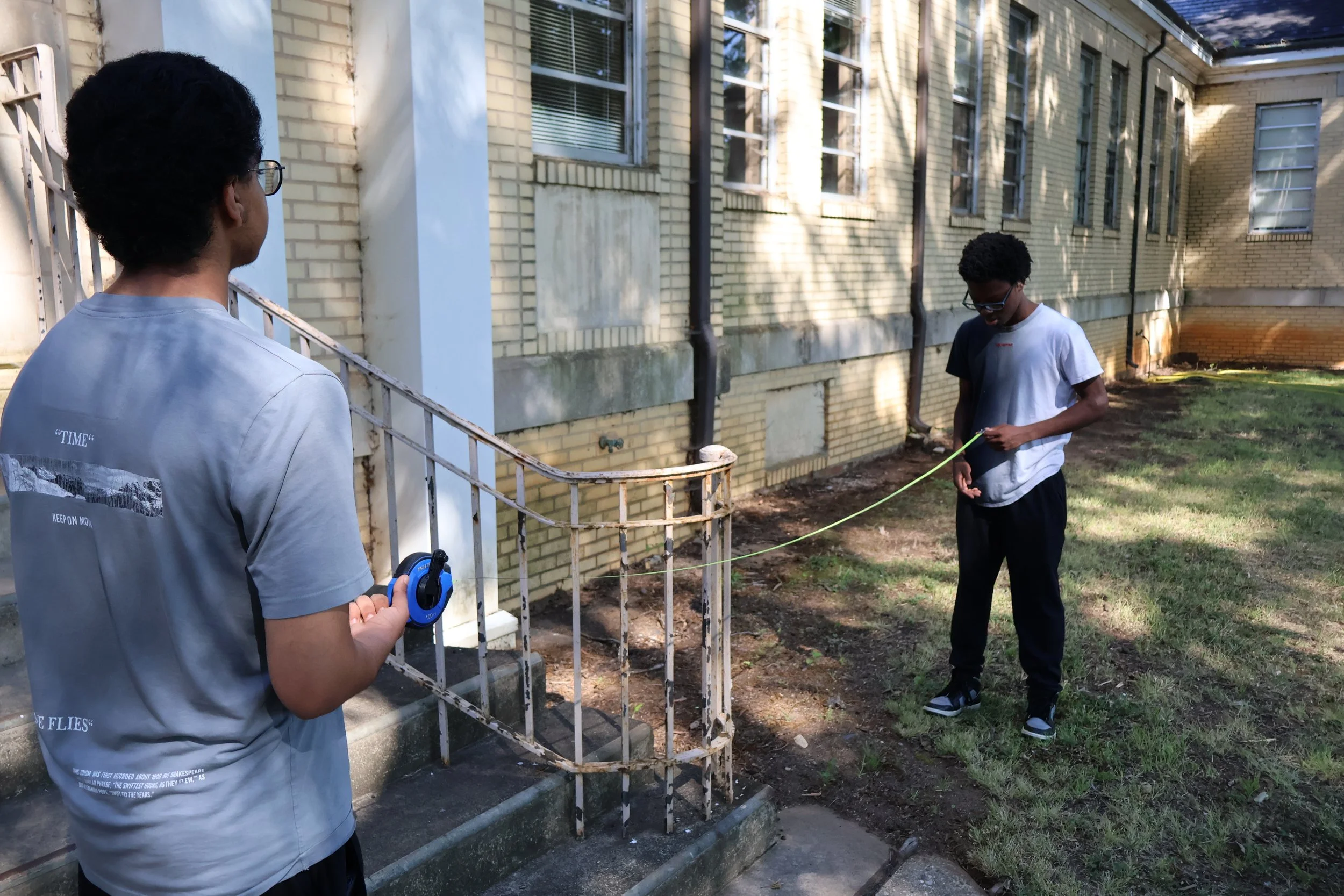
In addition to observing these systems, students applied their skills by surveying several City of Raleigh-owned buildings on the property, identifying drainage patterns and developing ideas for future stormwater design improvements.
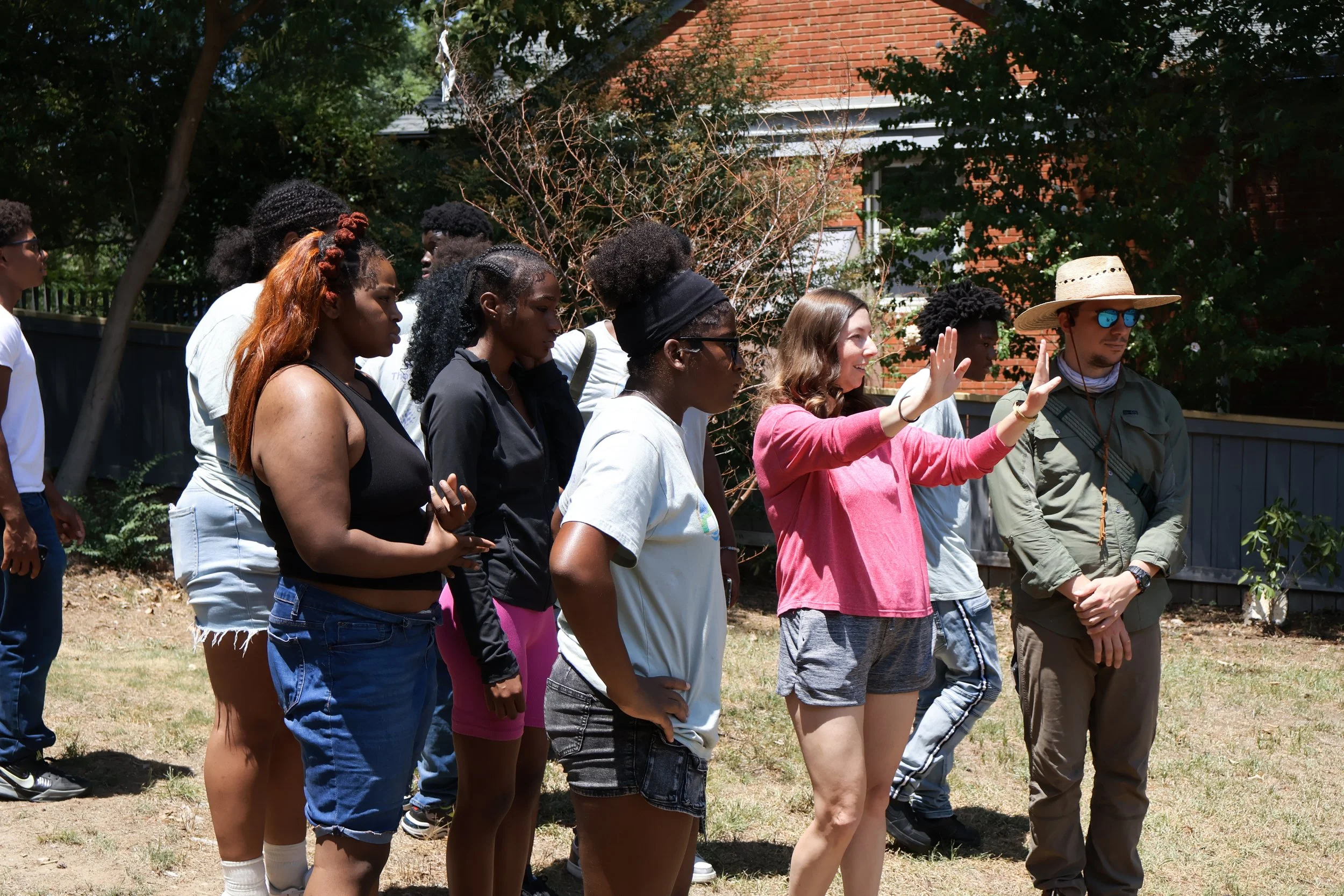
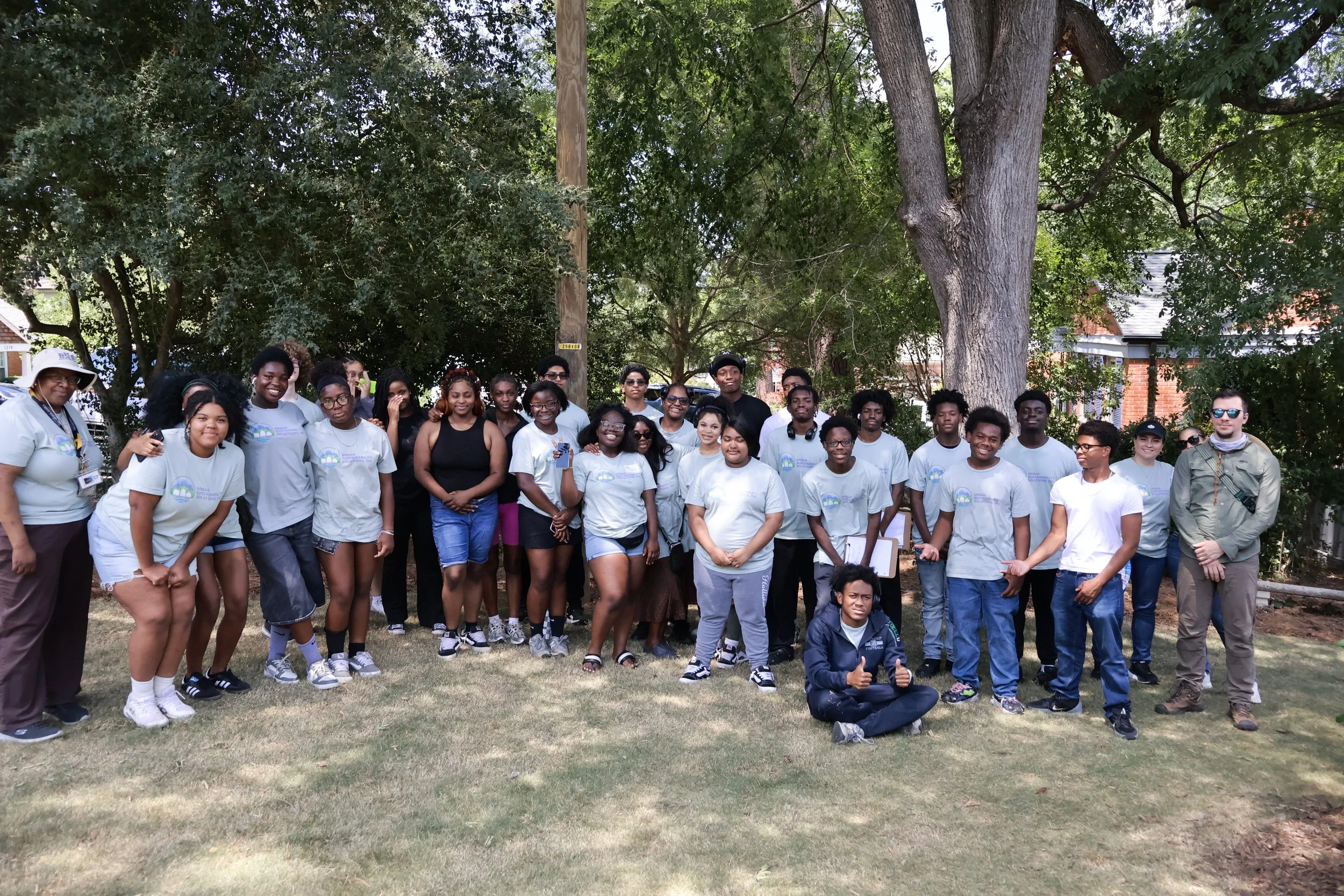
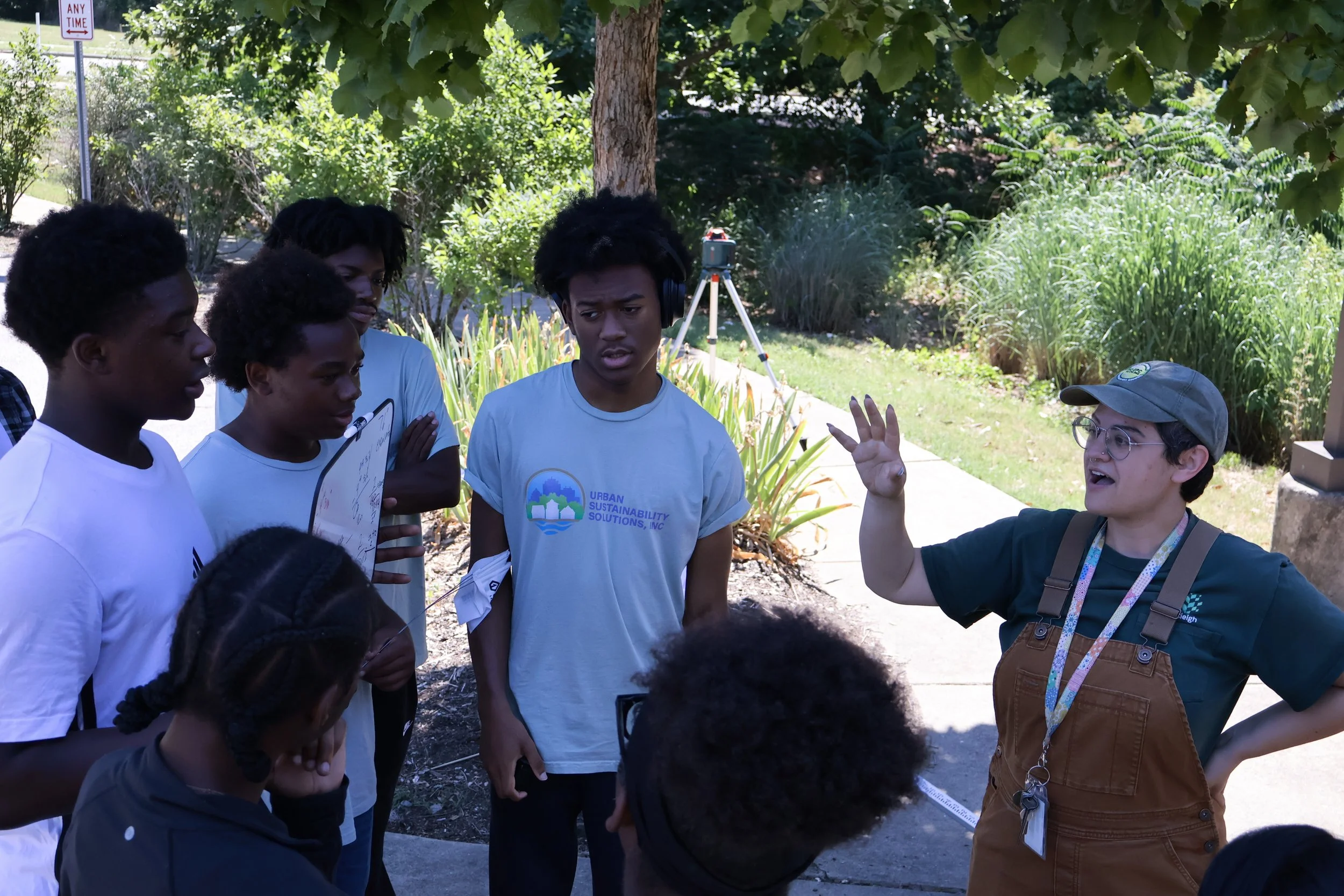
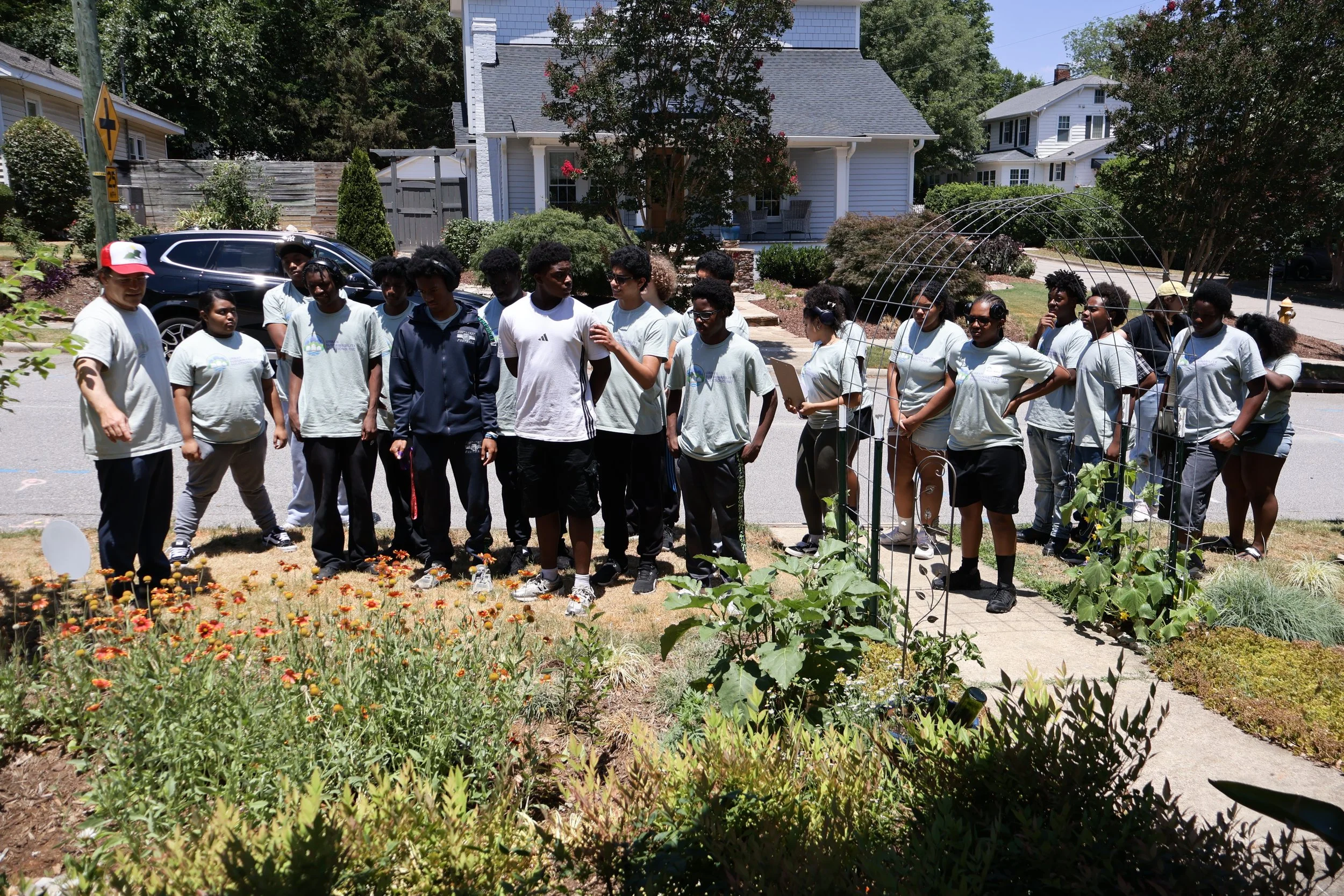
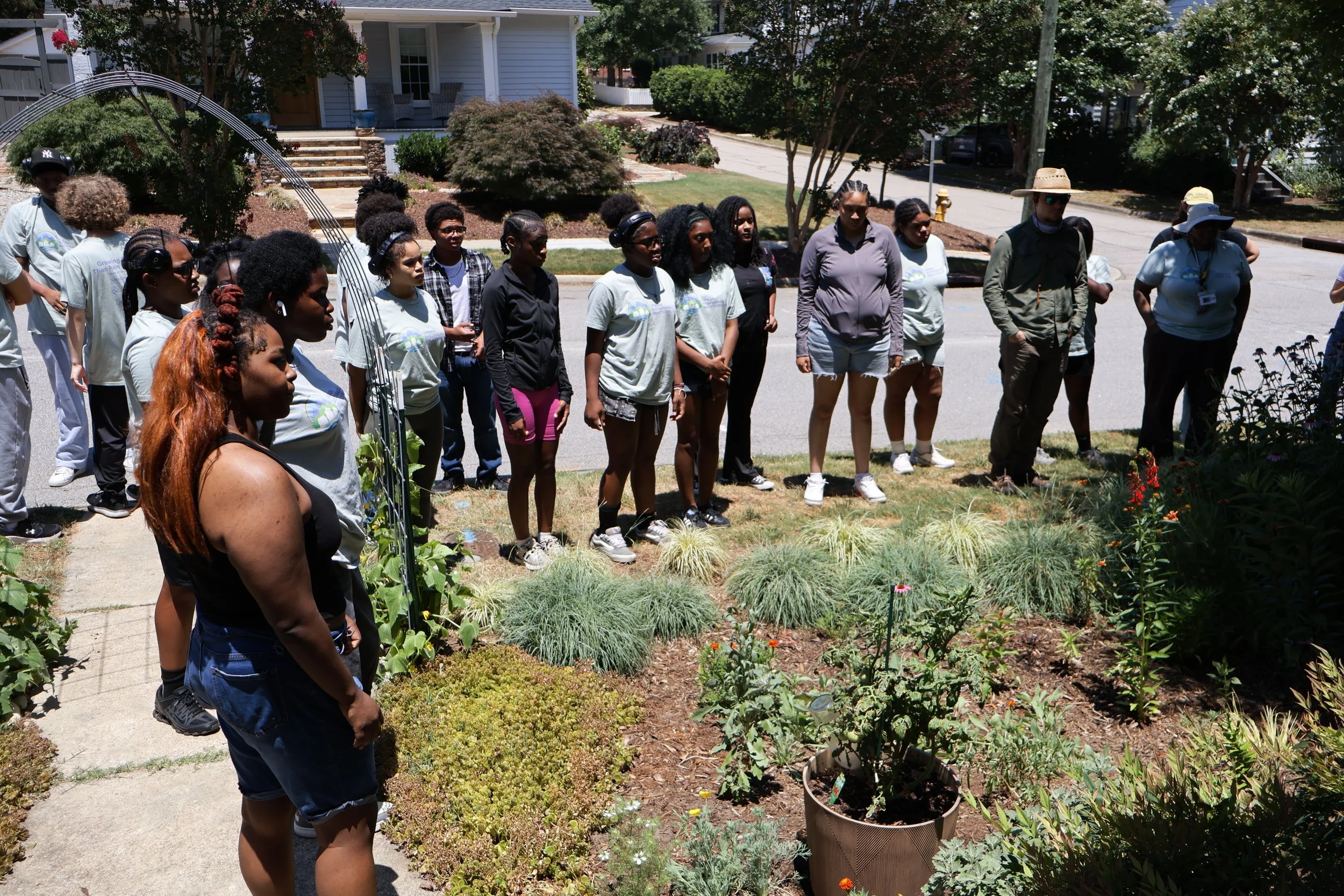
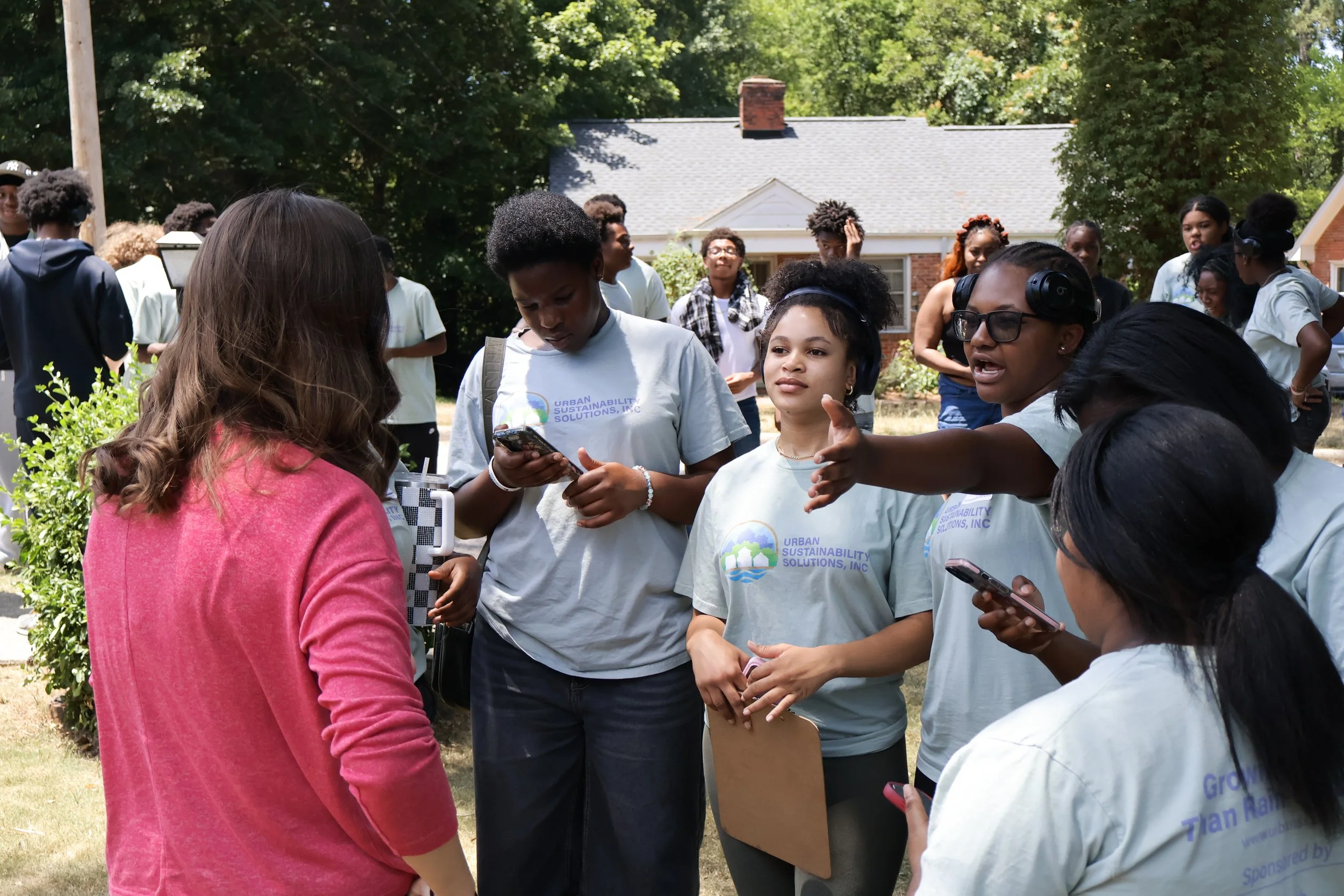
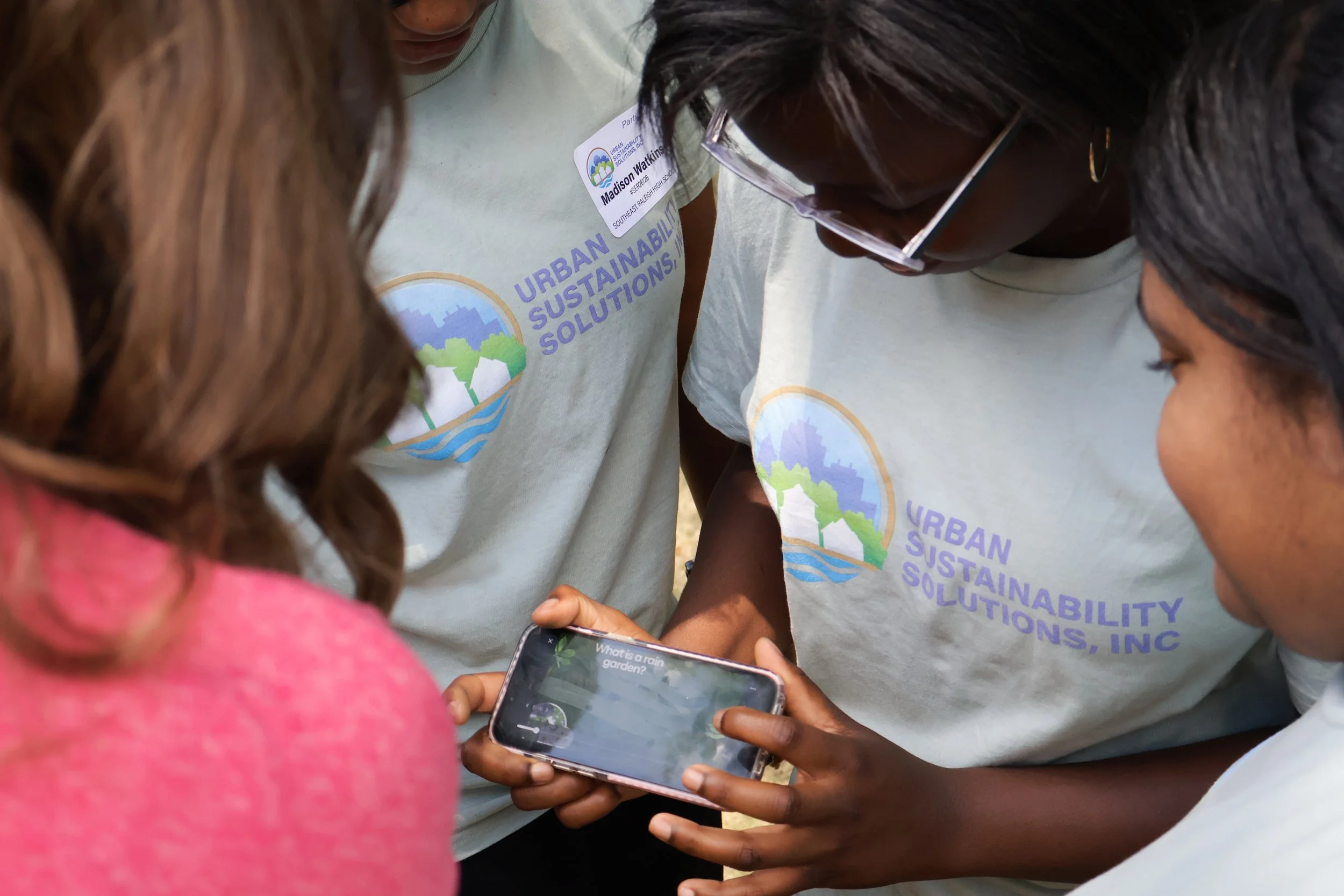
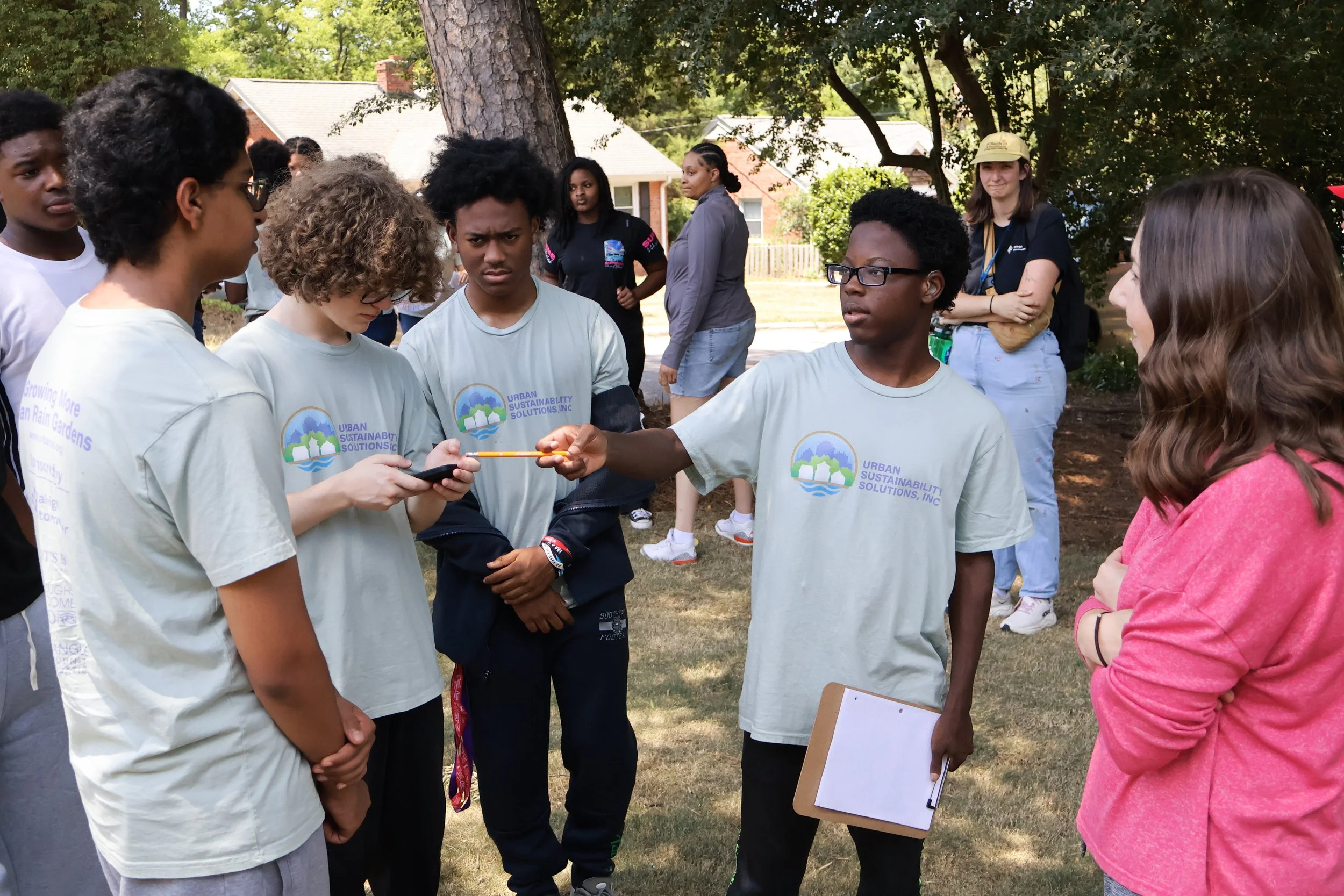
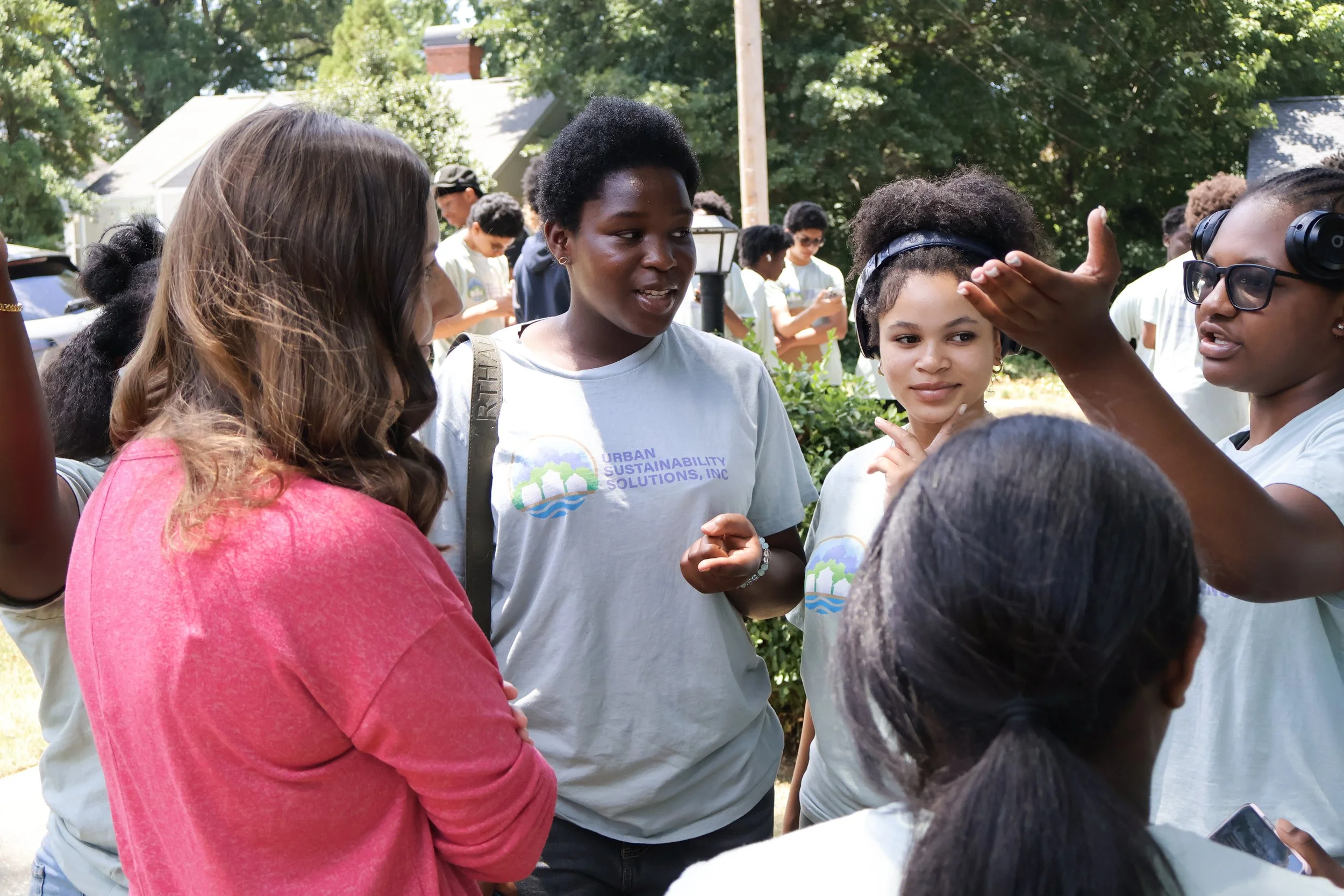
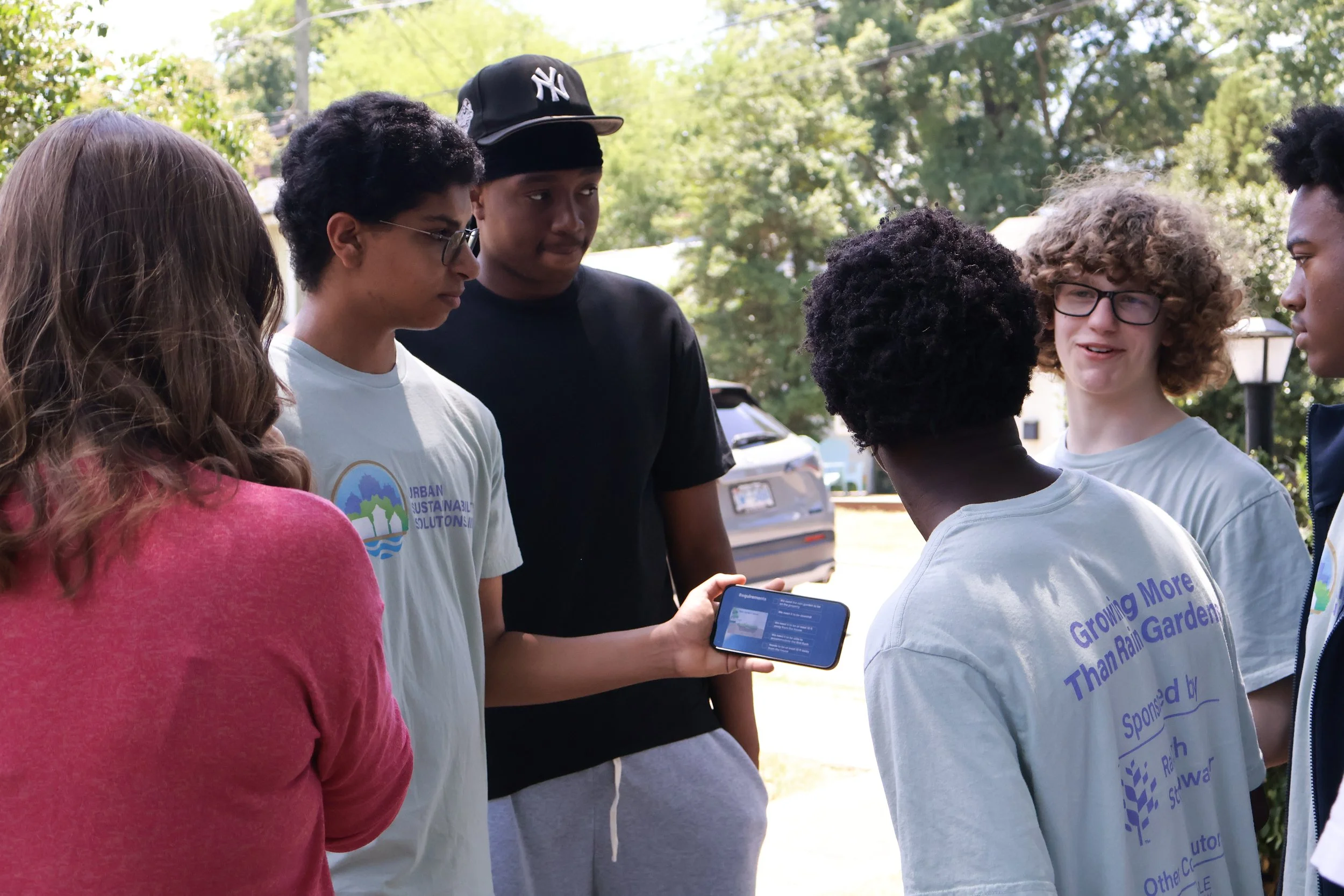
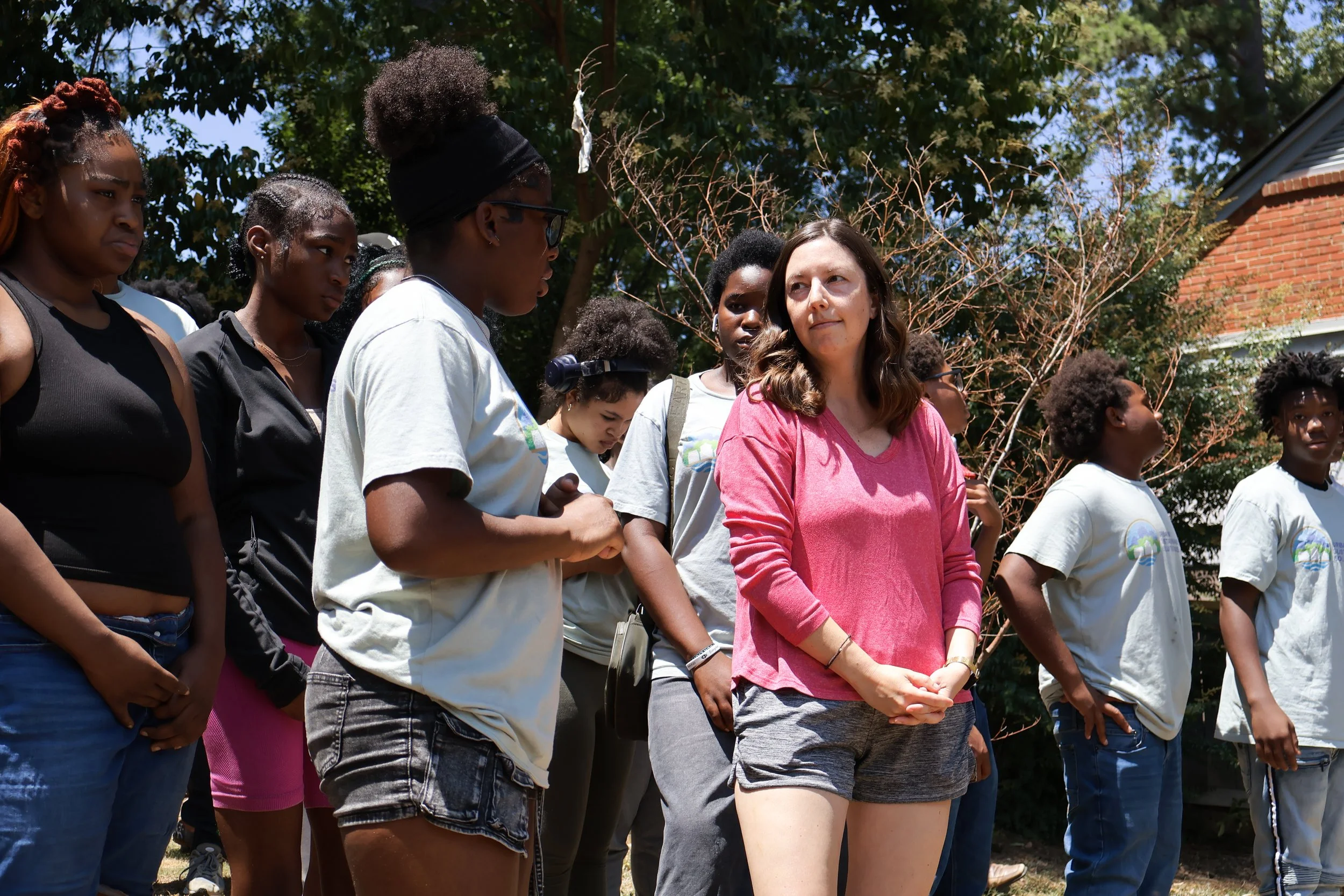
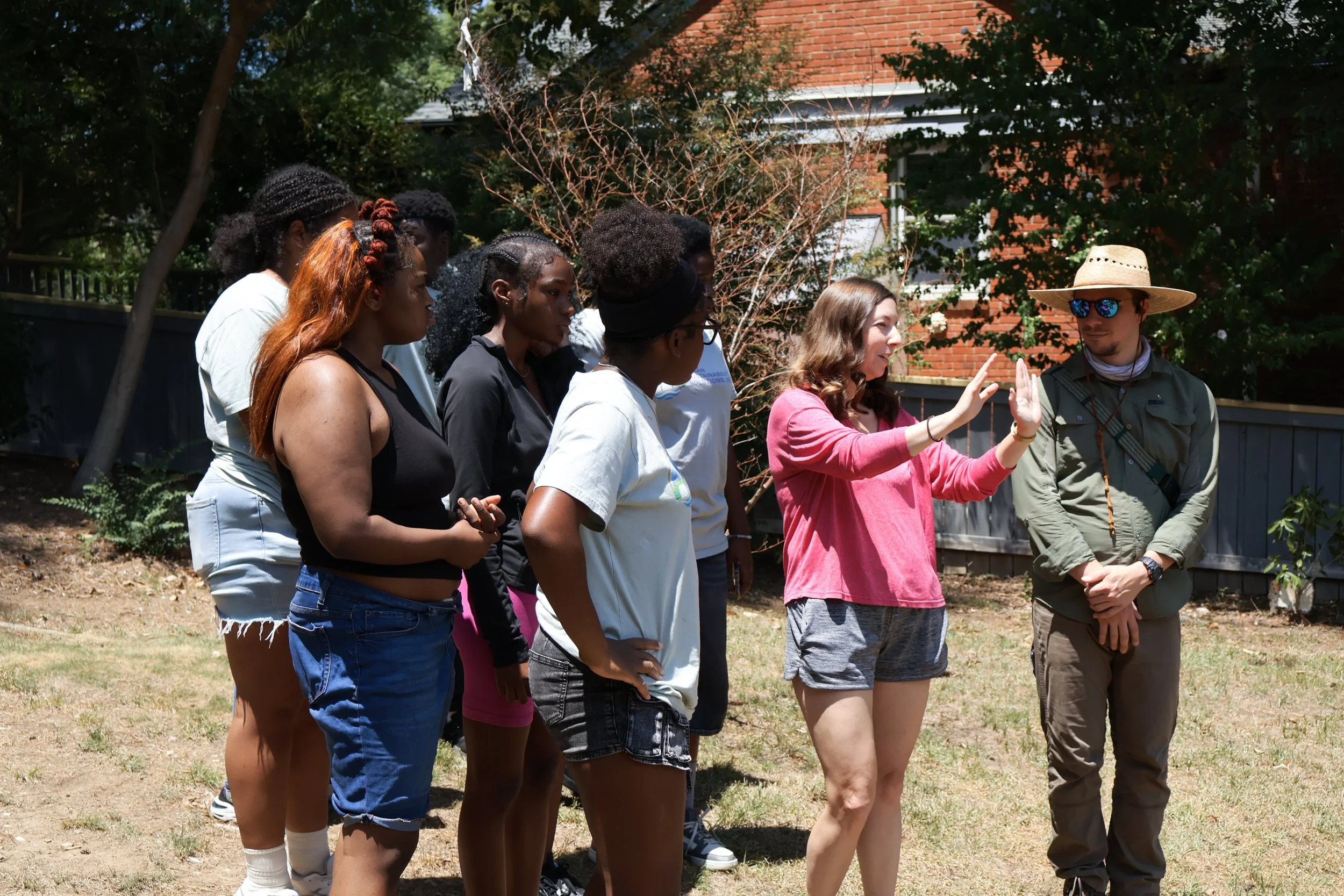
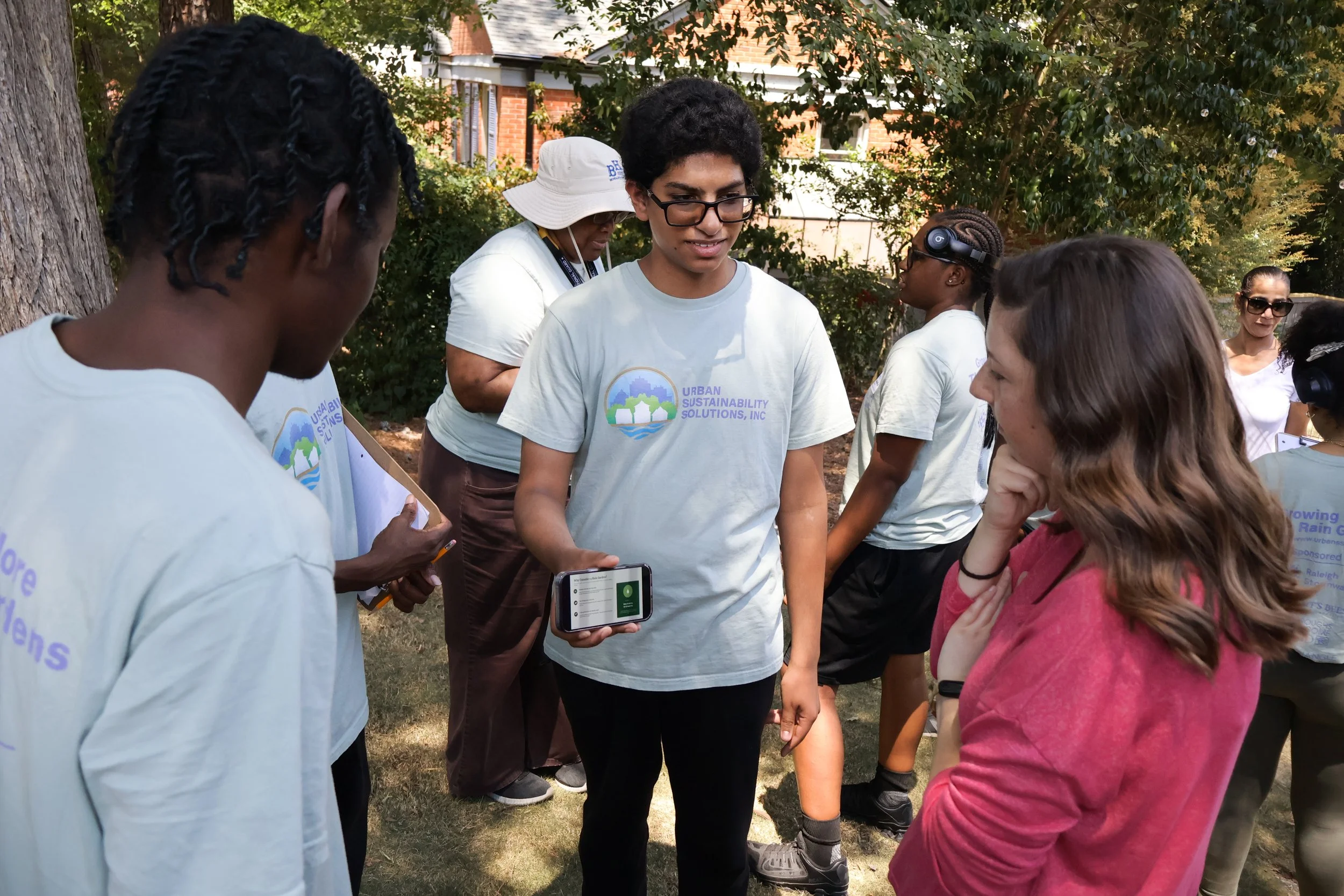
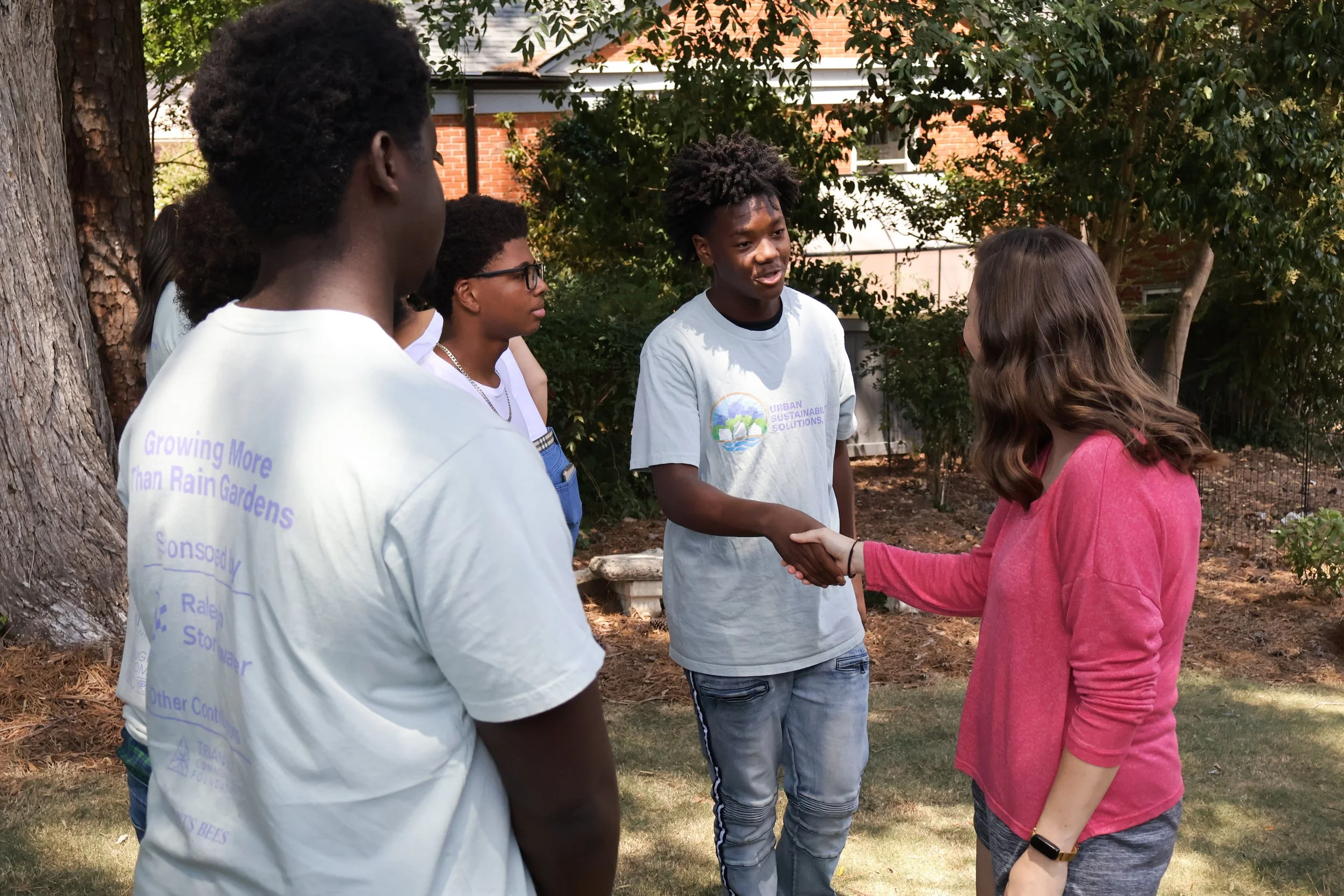
Advanced Group discussing plans with Raleigh homeowner.
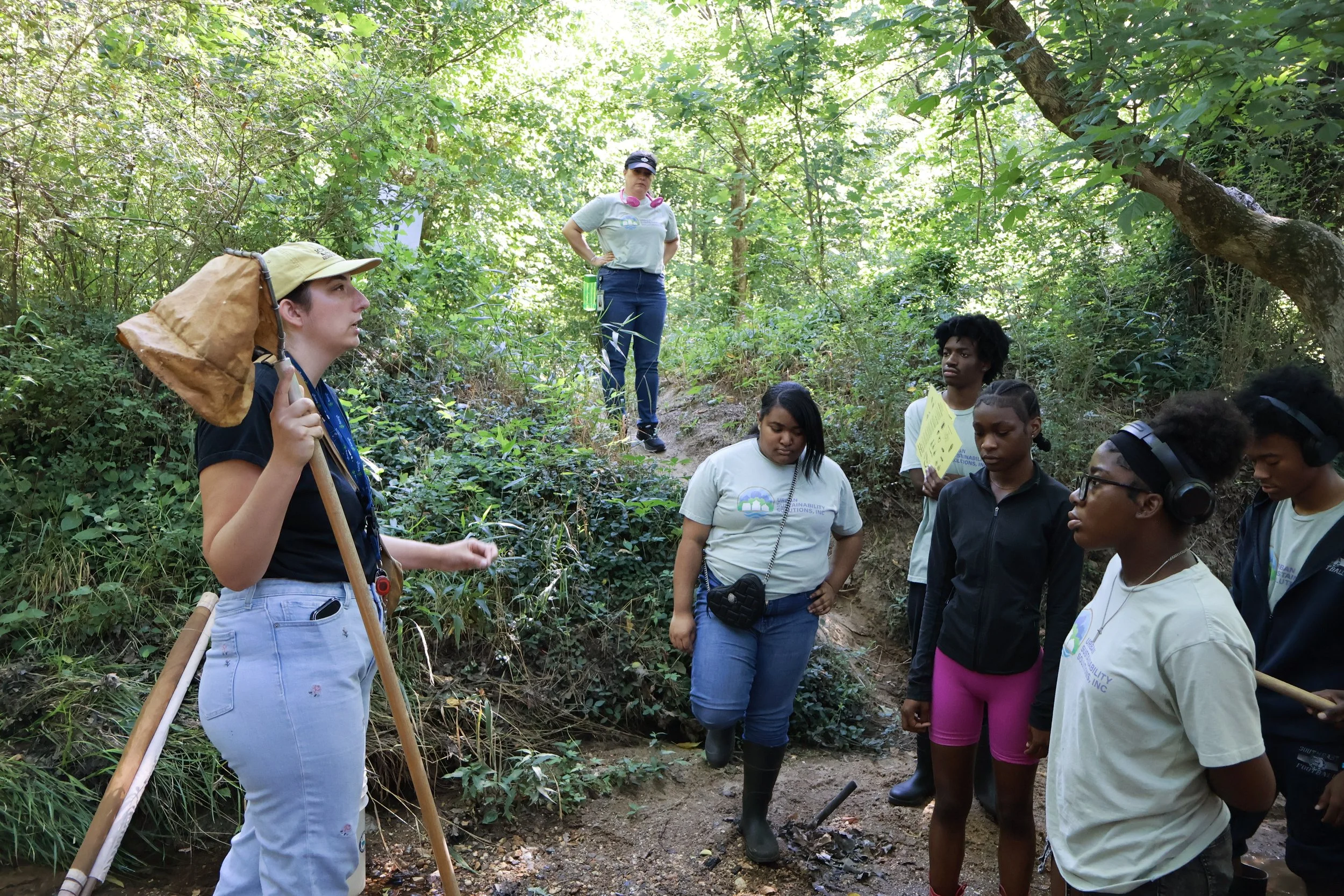
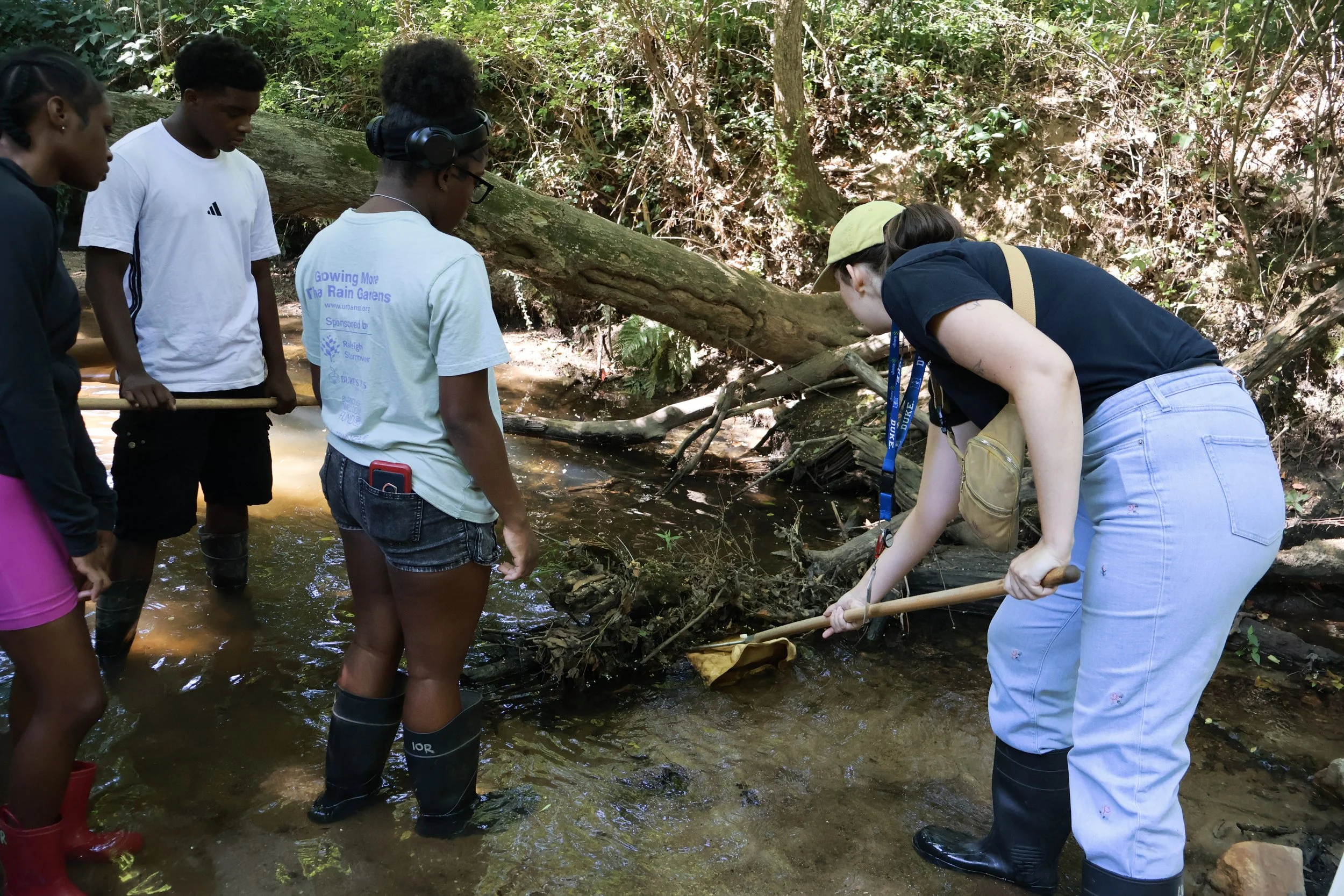
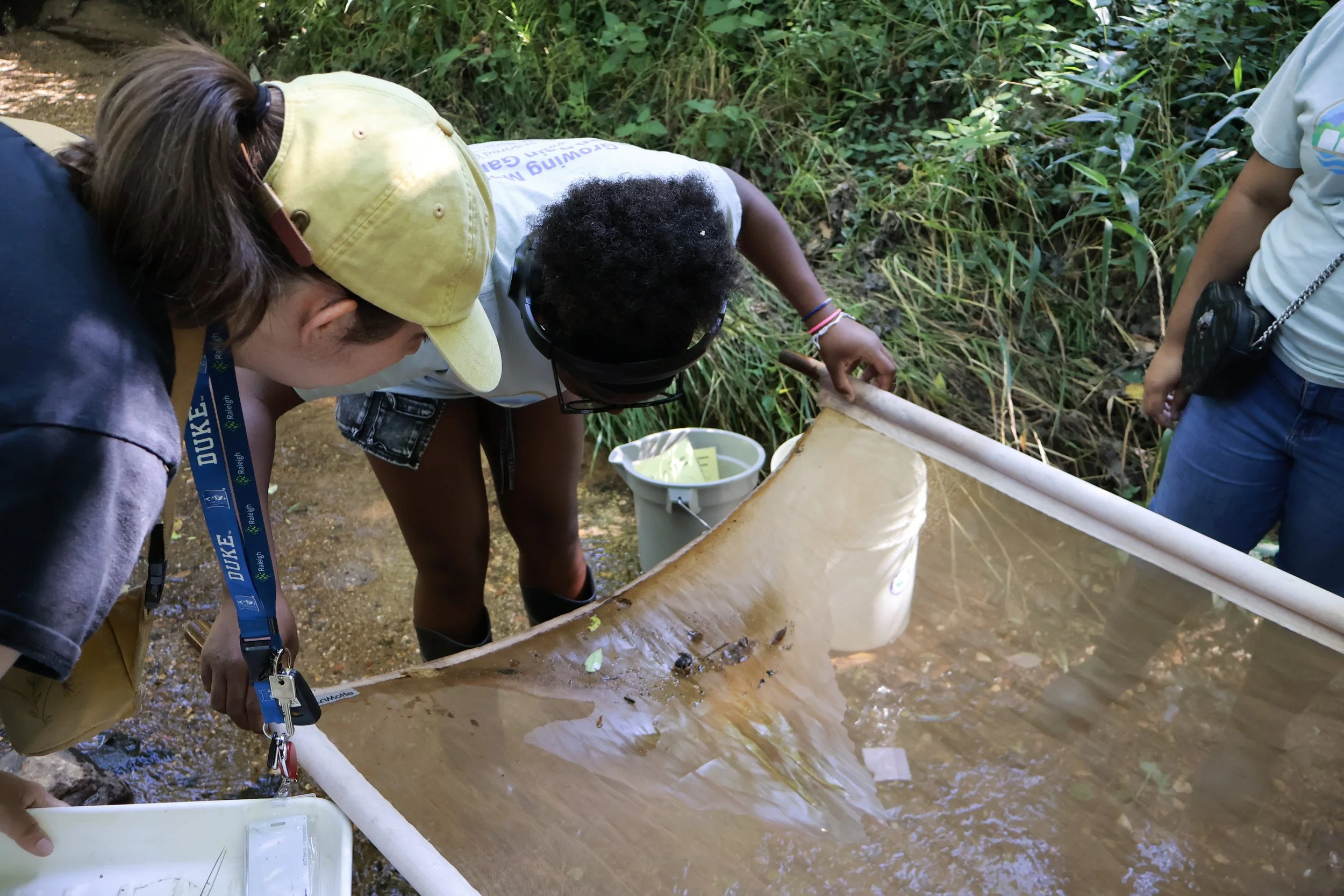
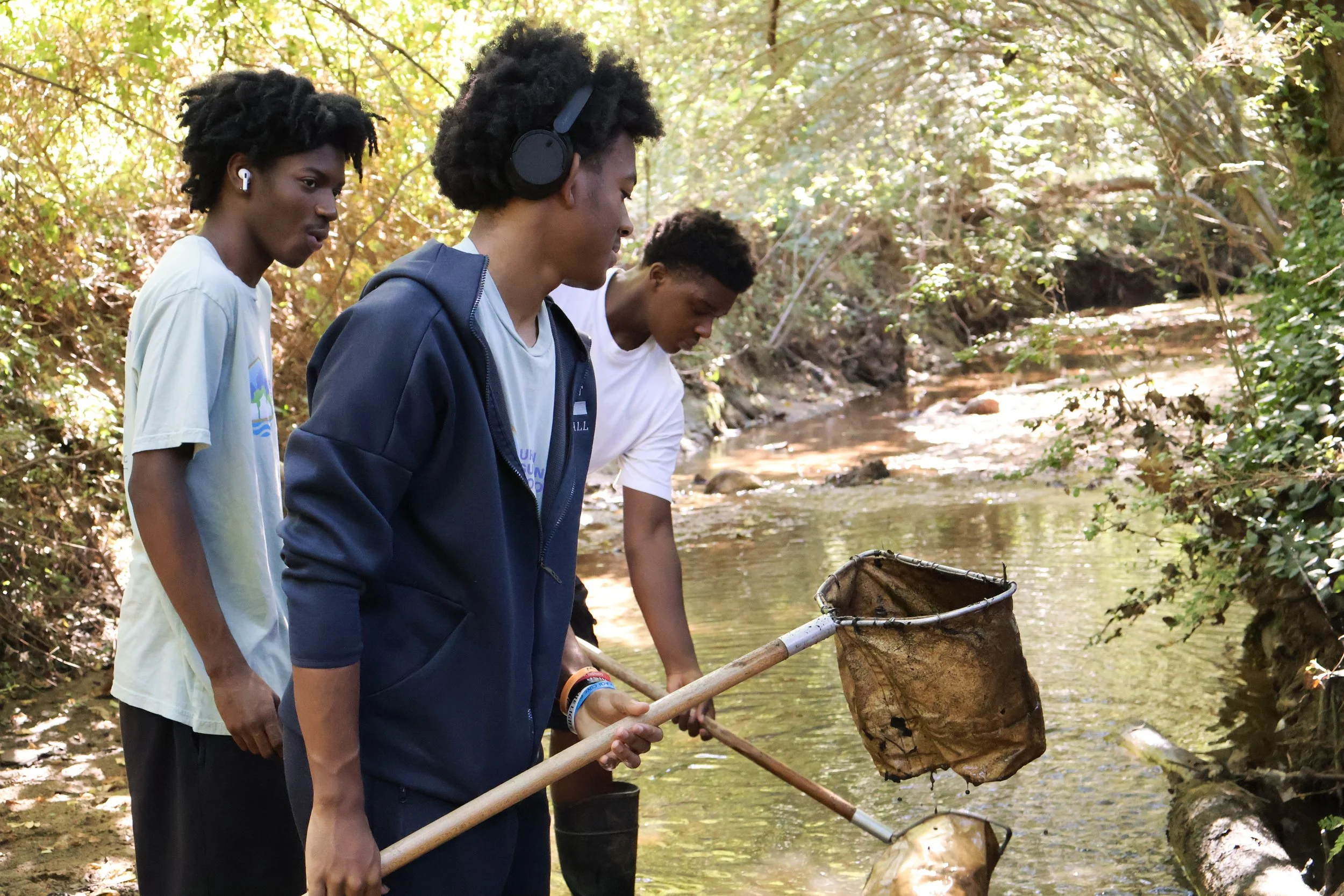
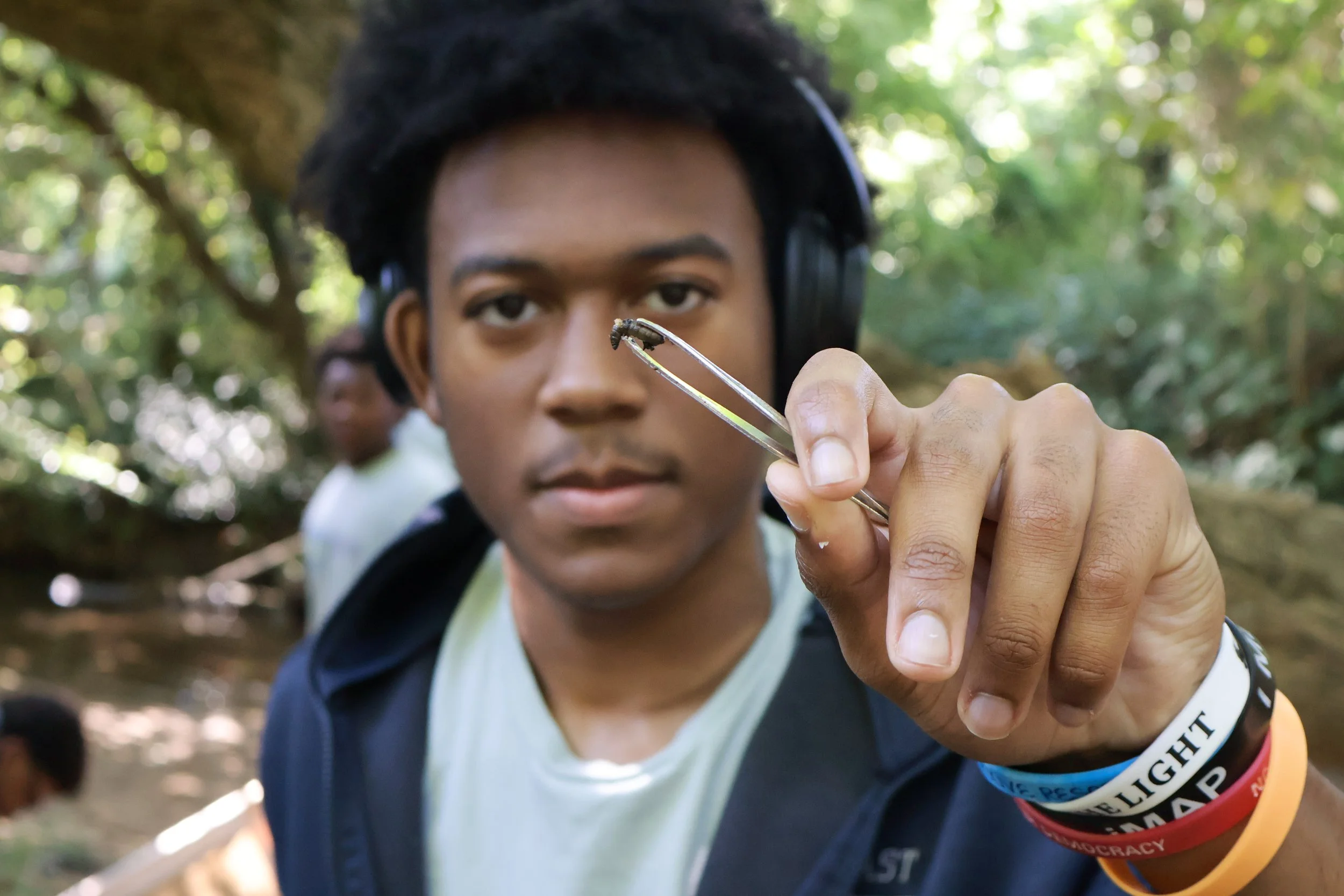
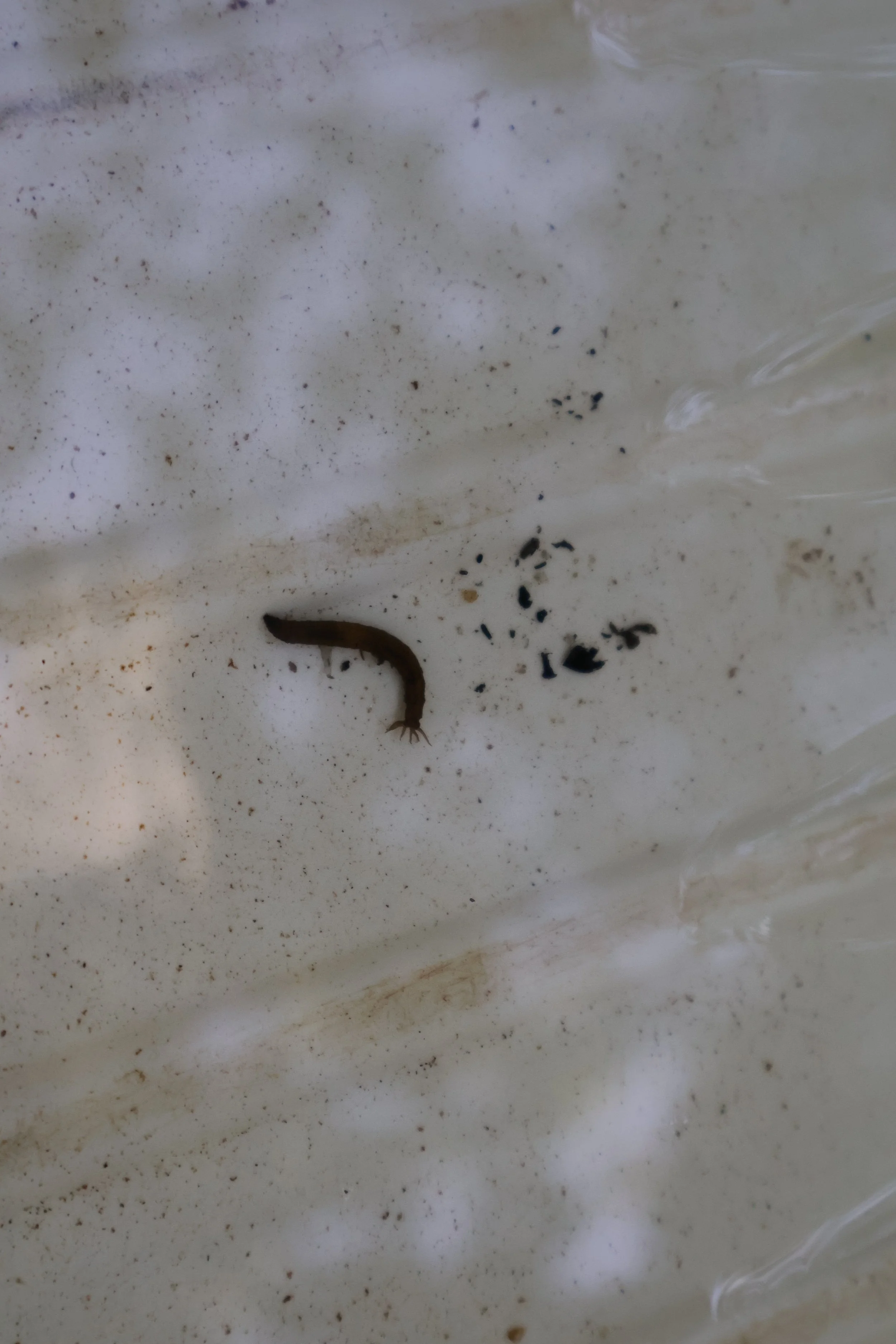
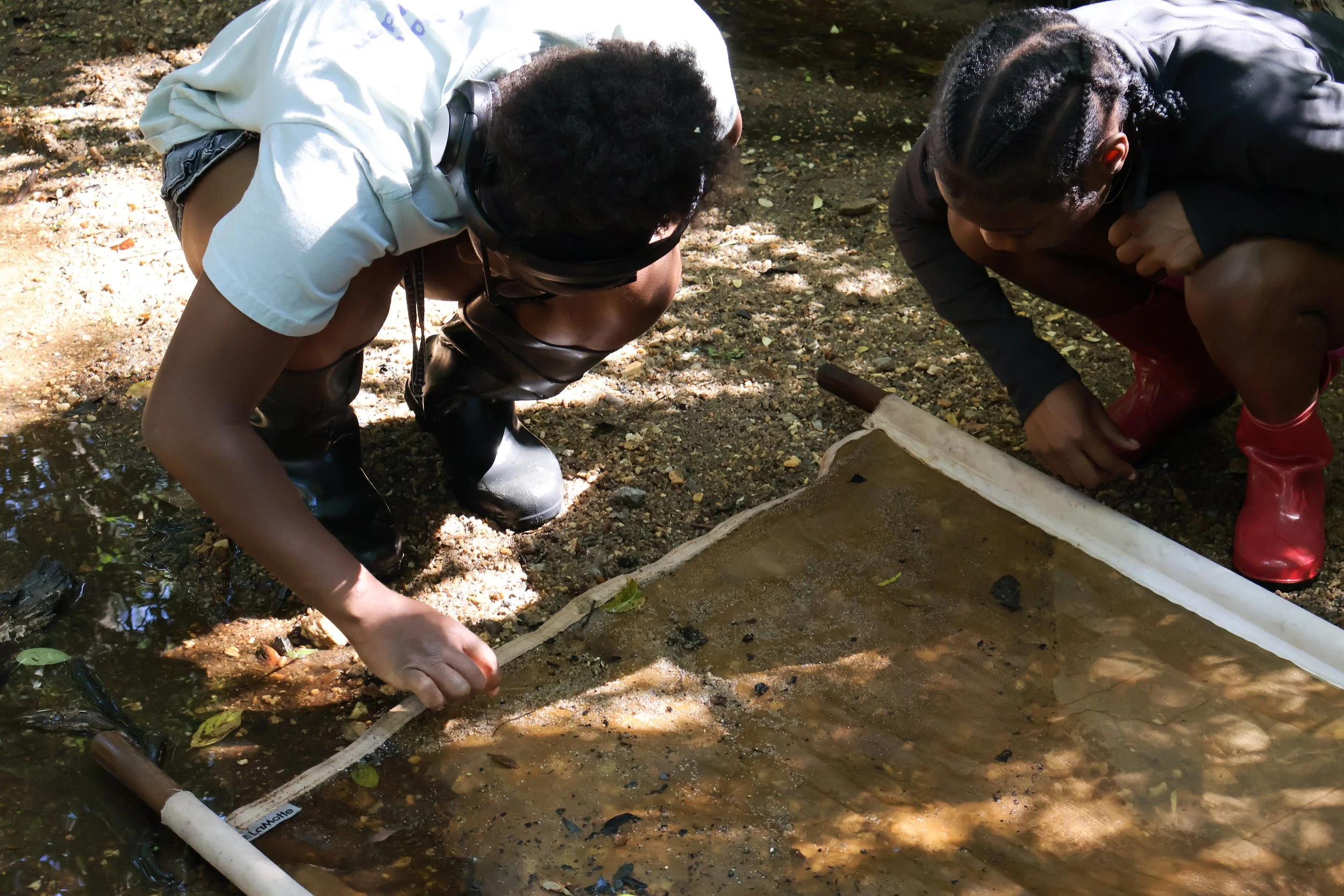
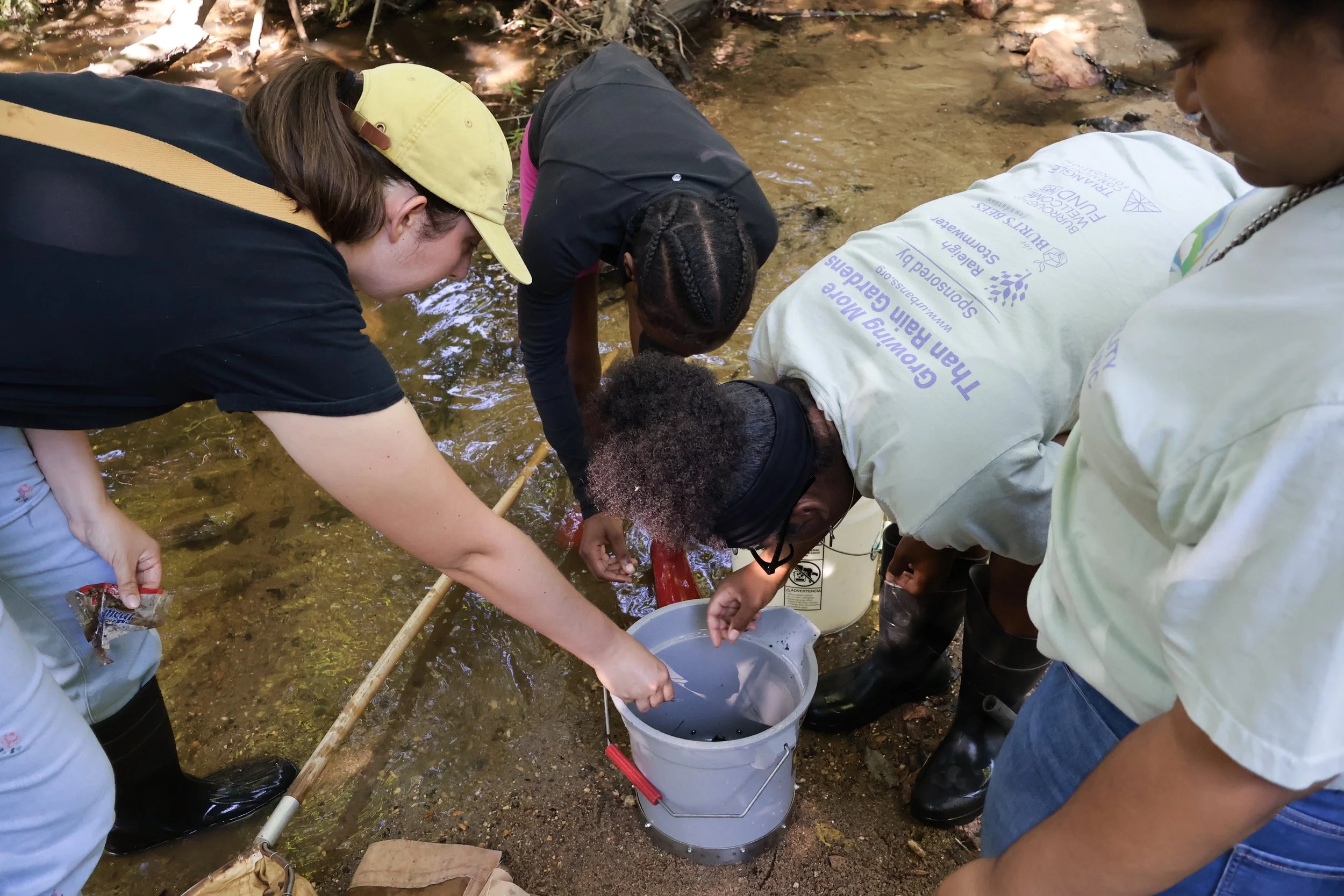
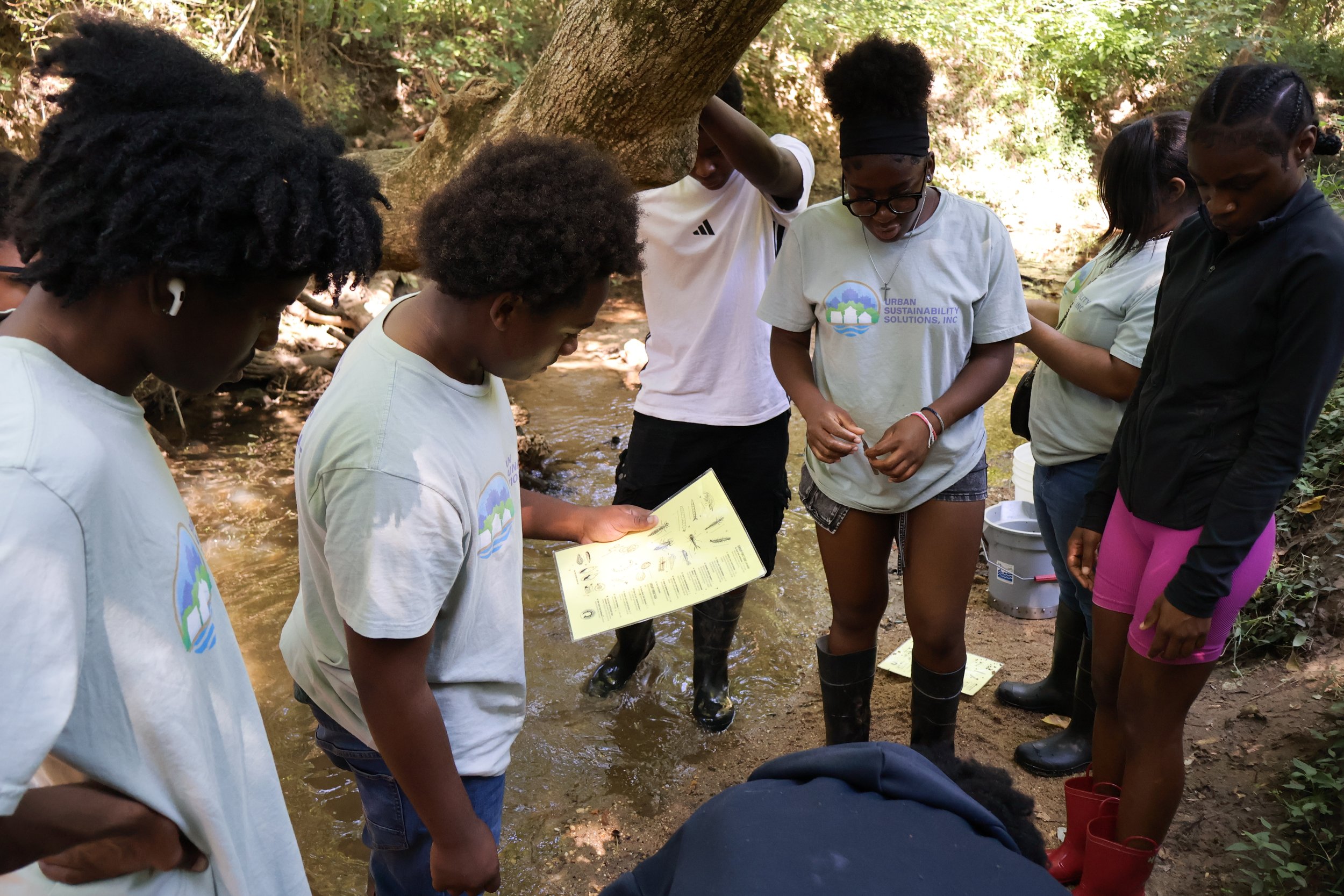
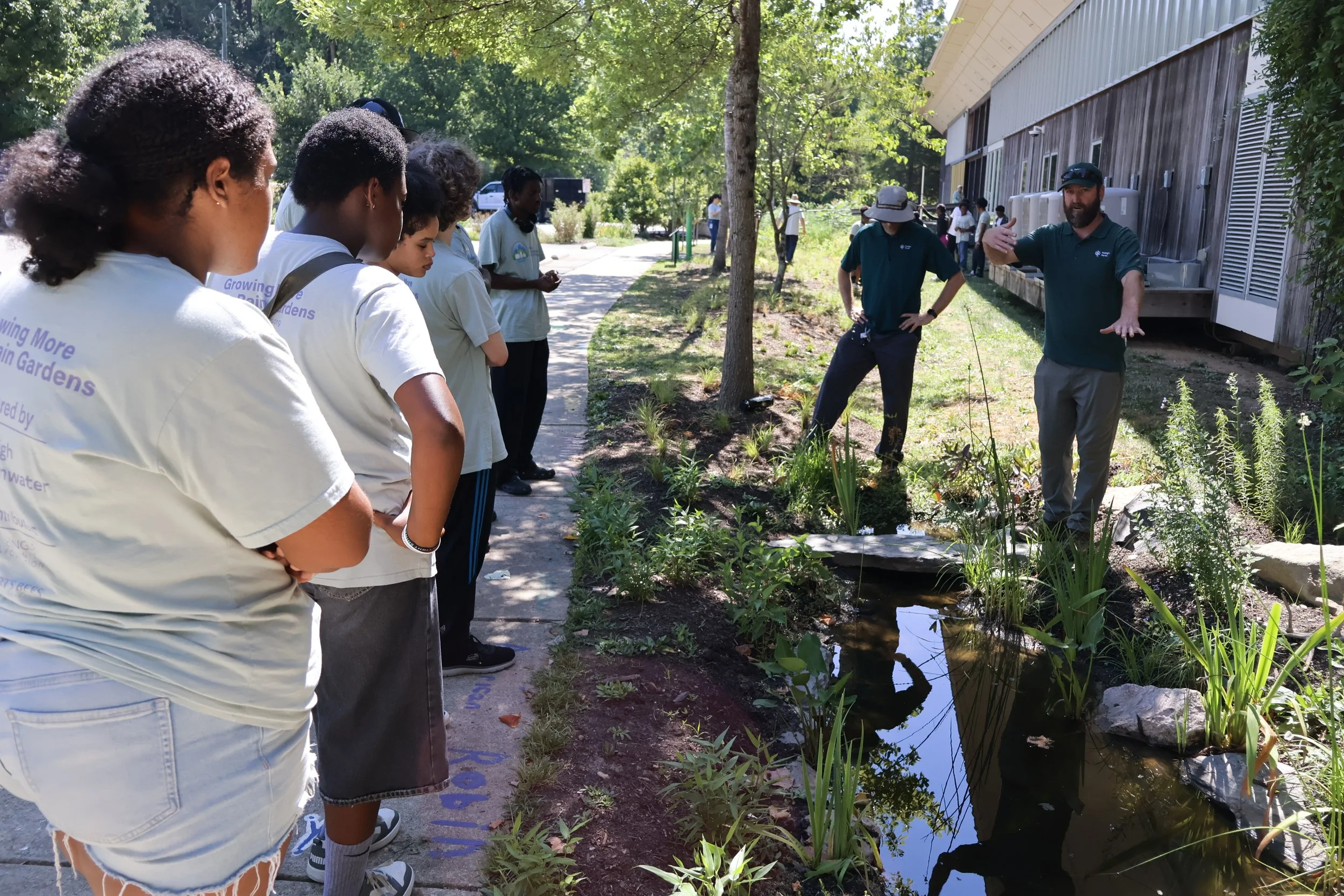
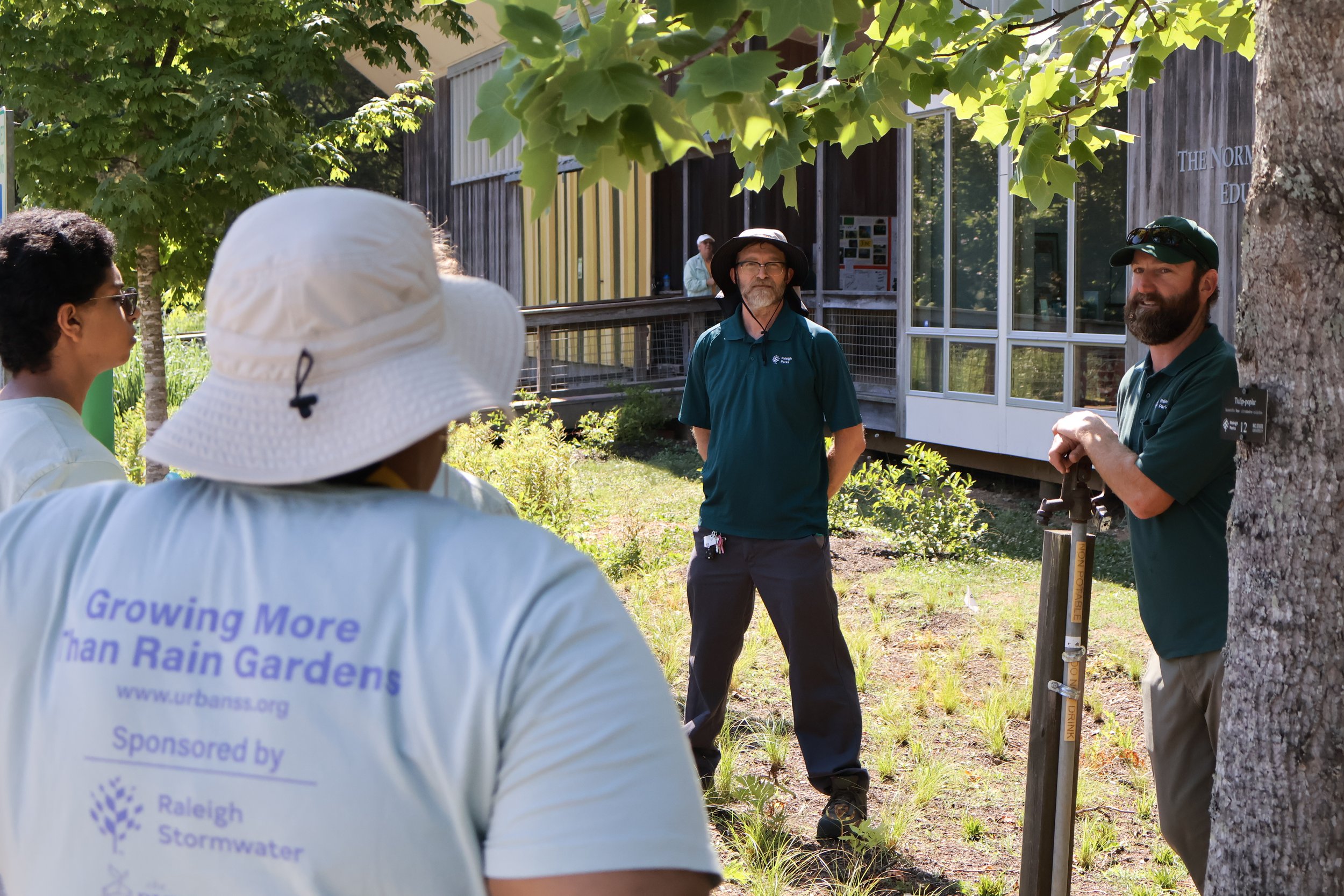
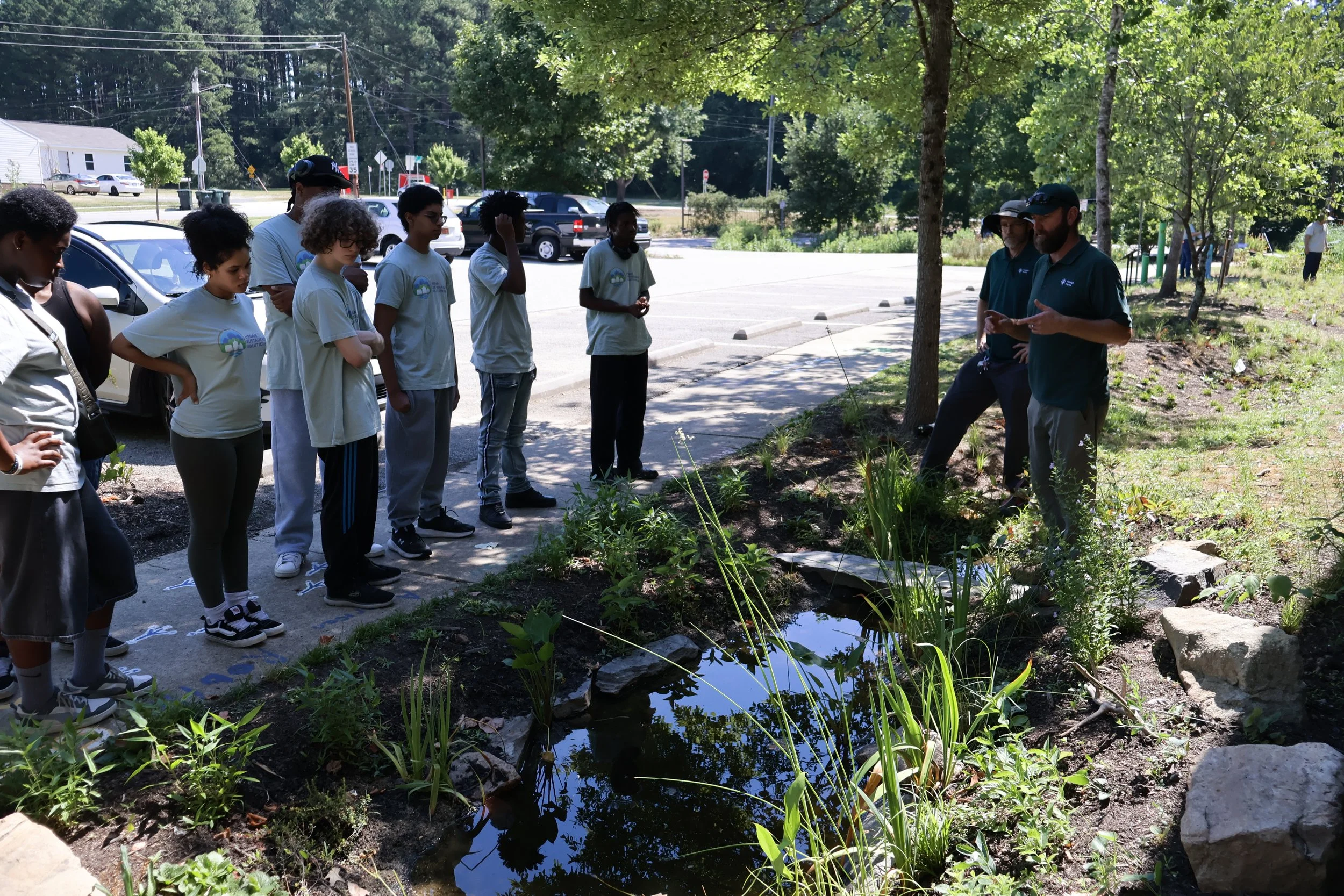
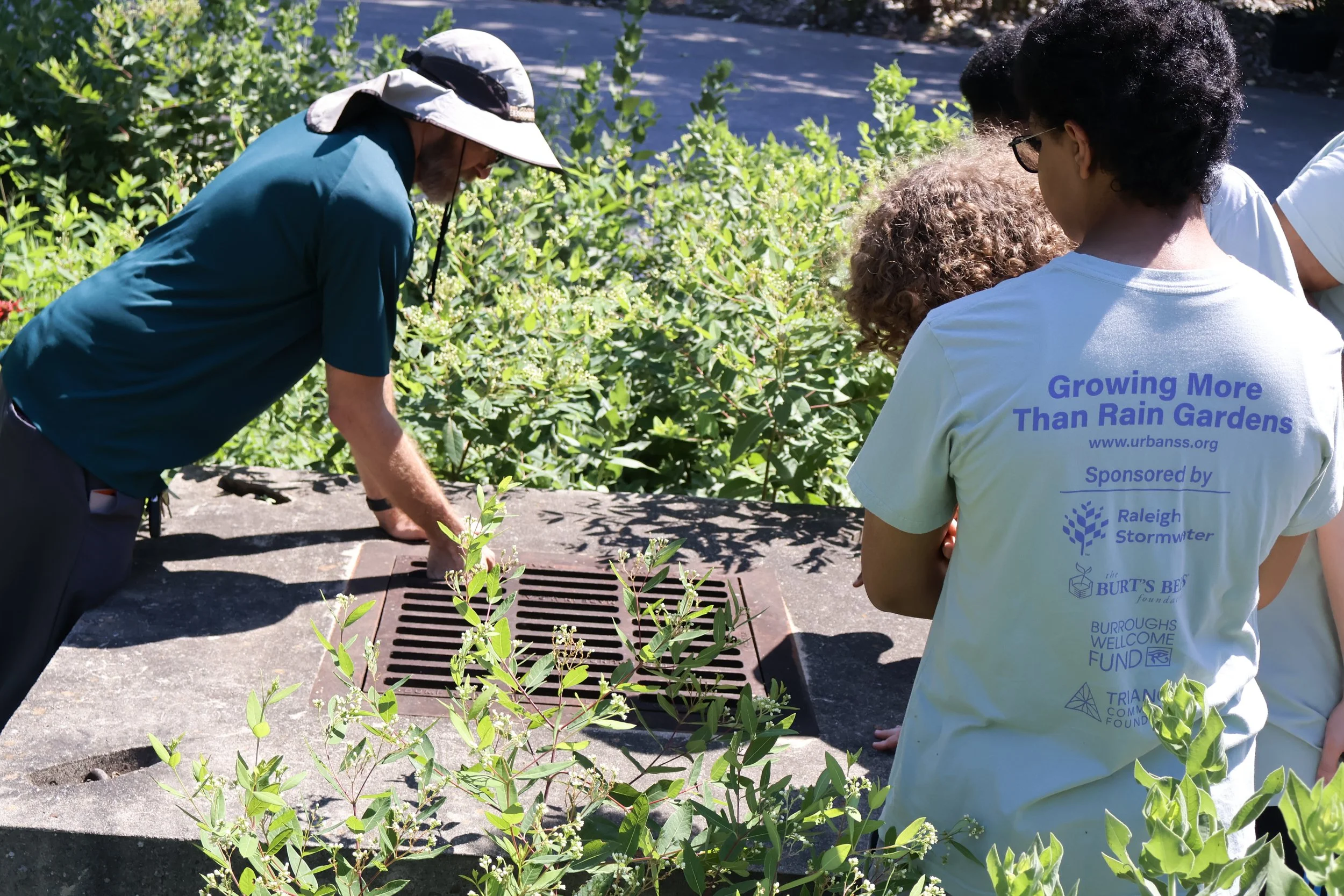
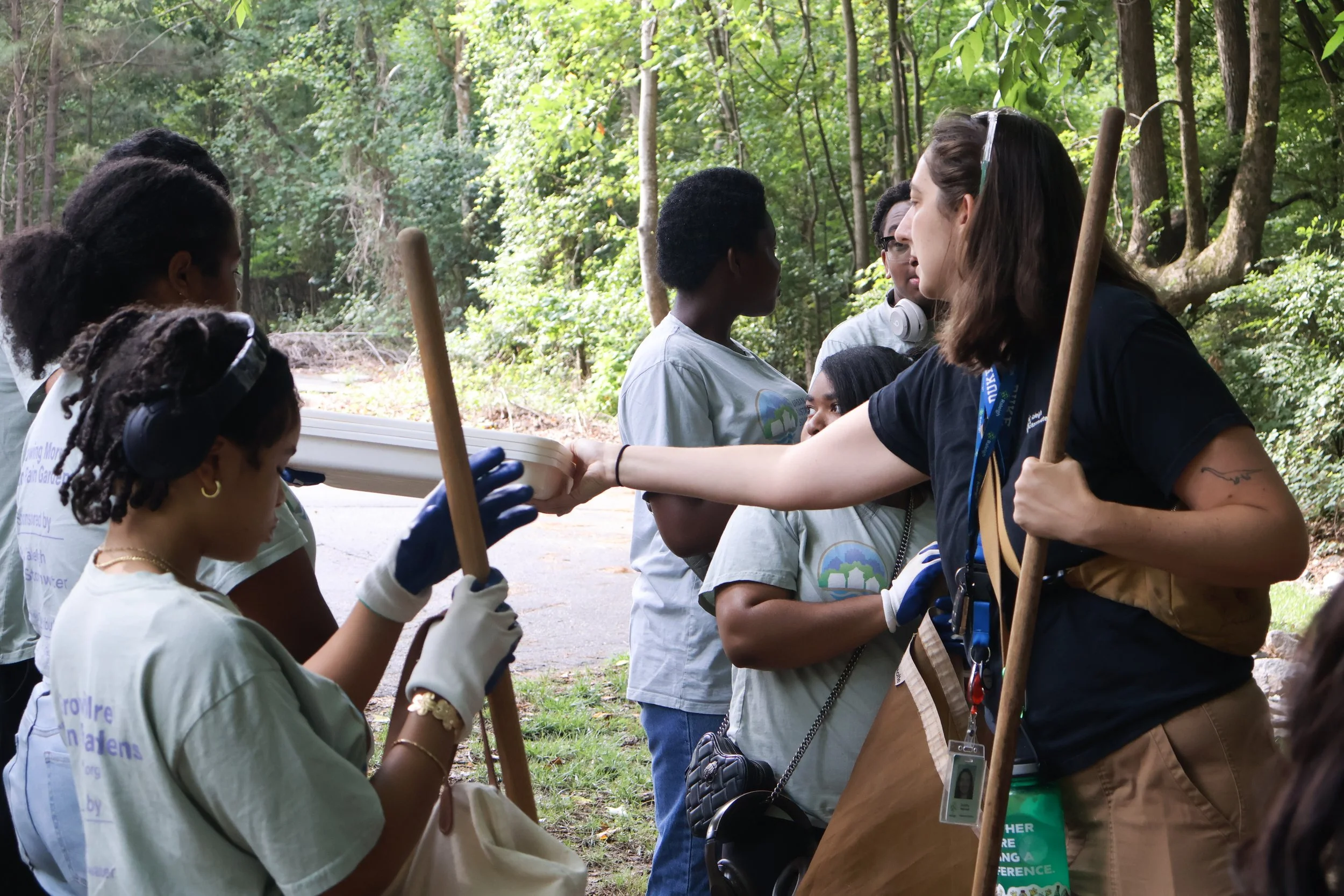
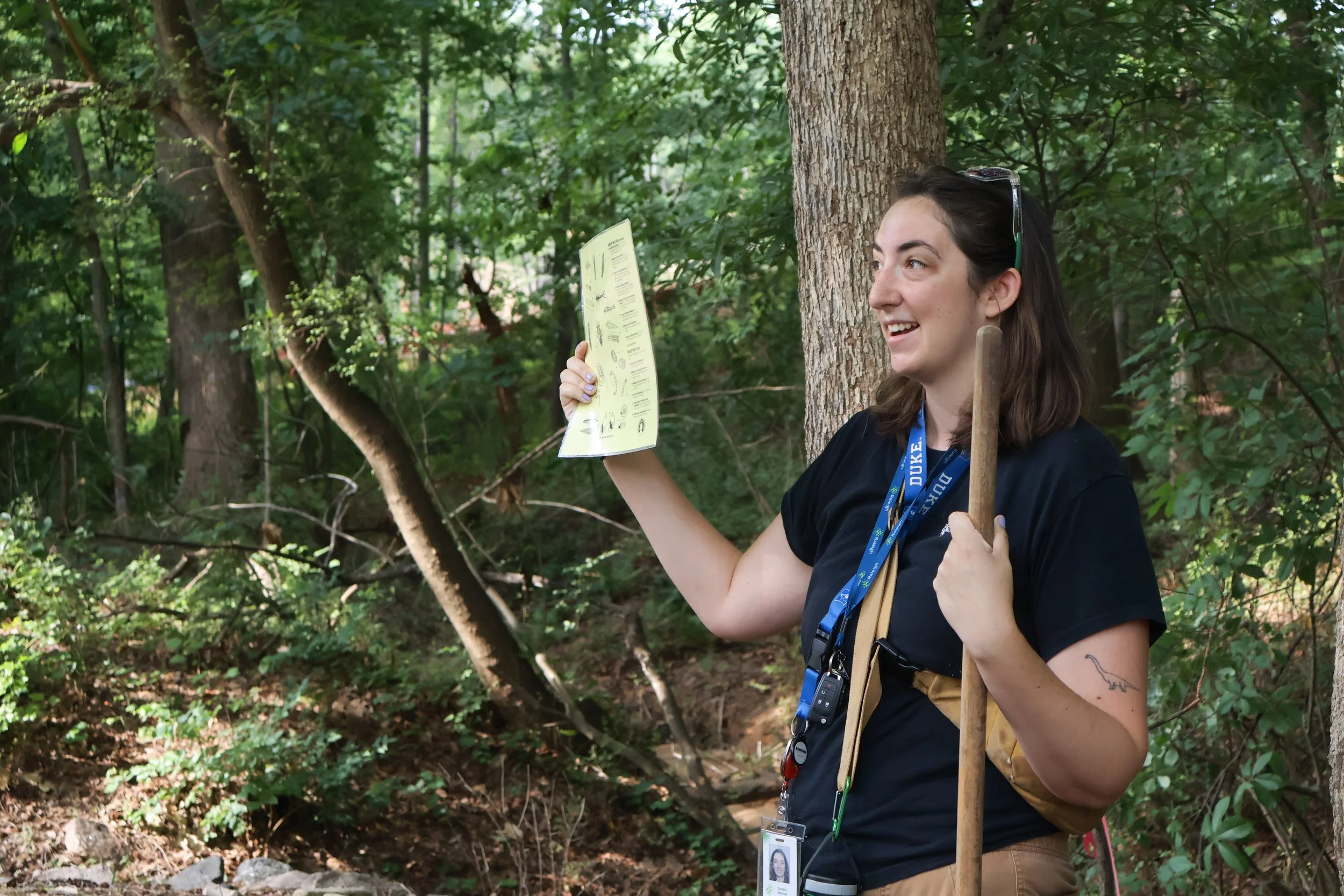
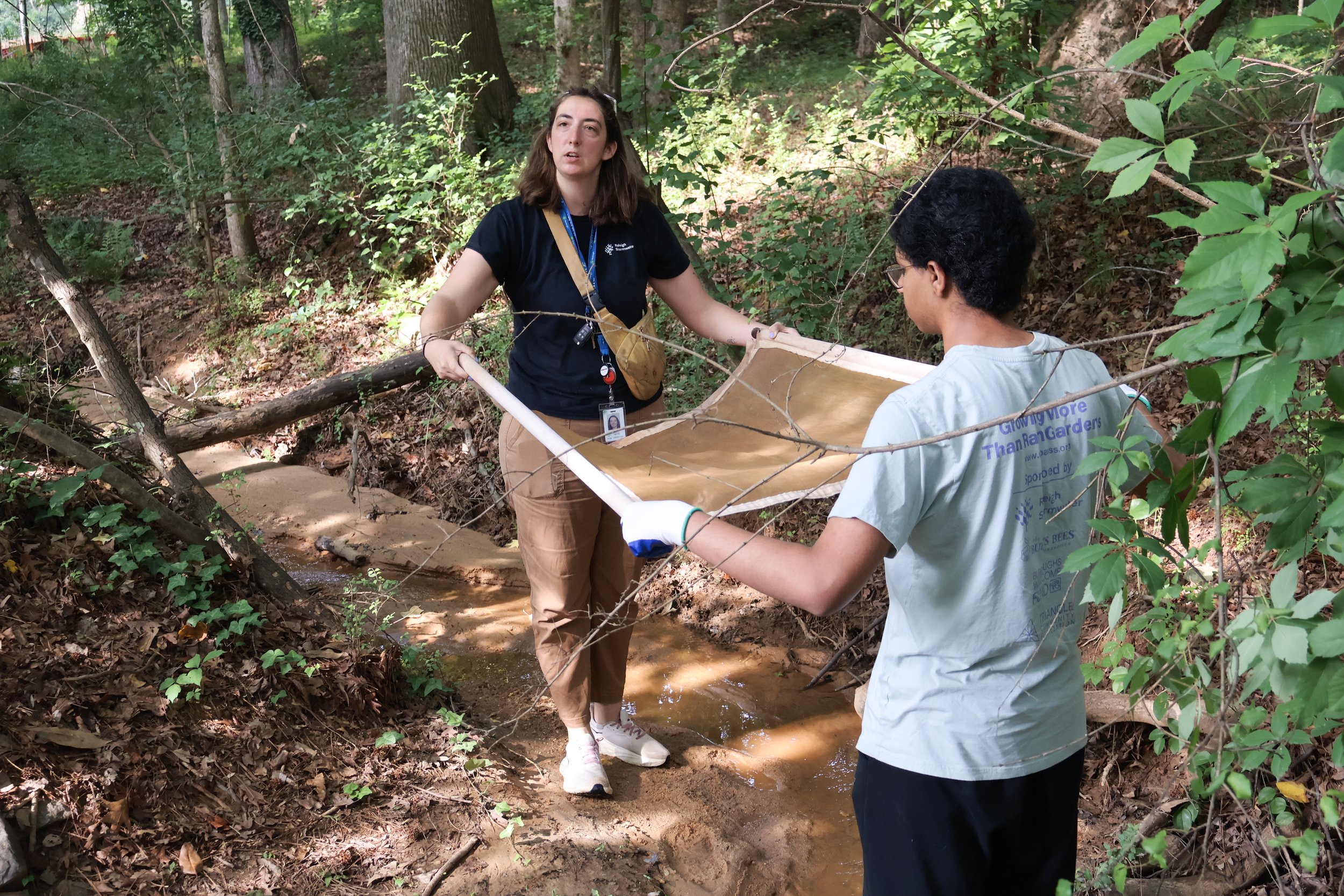
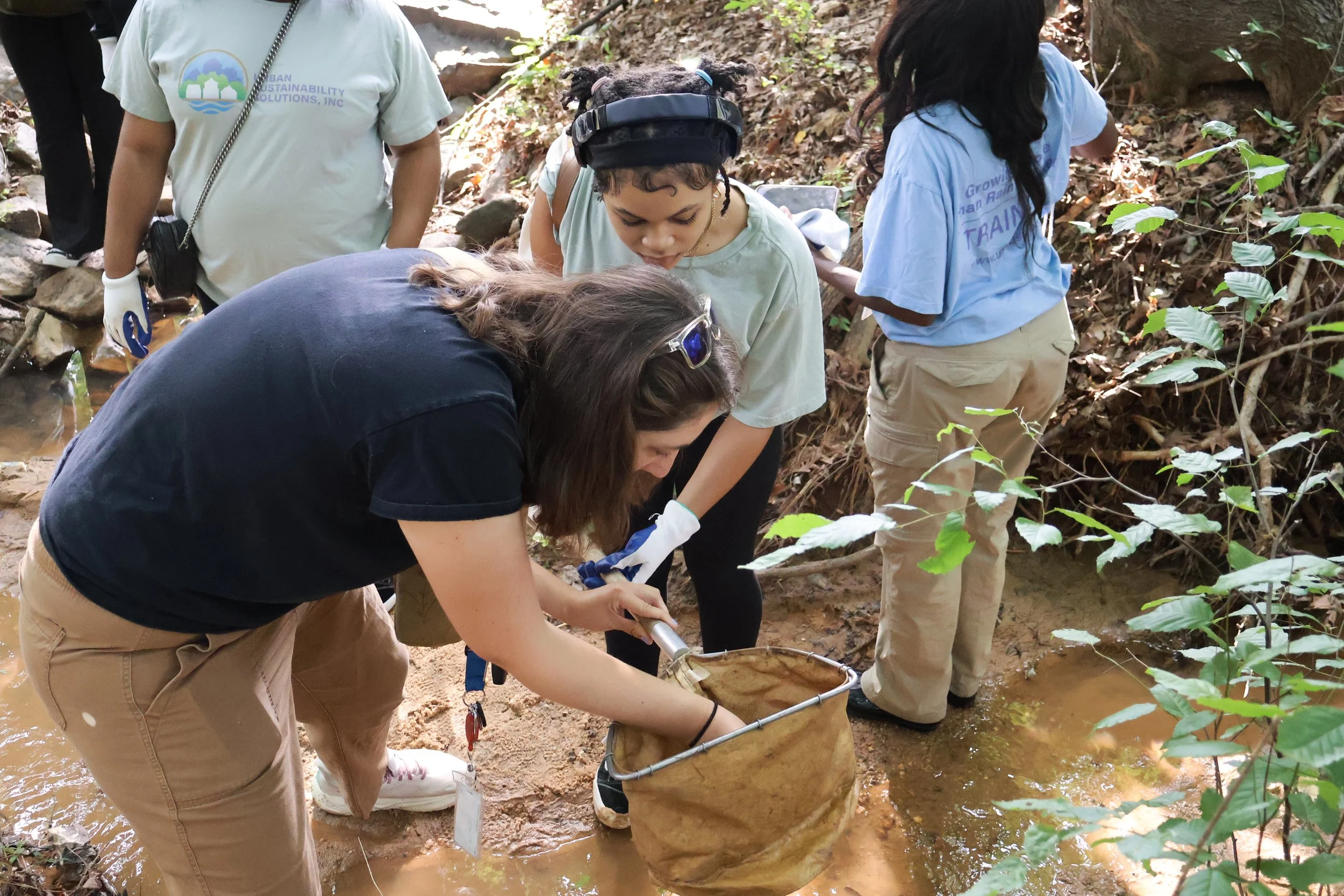
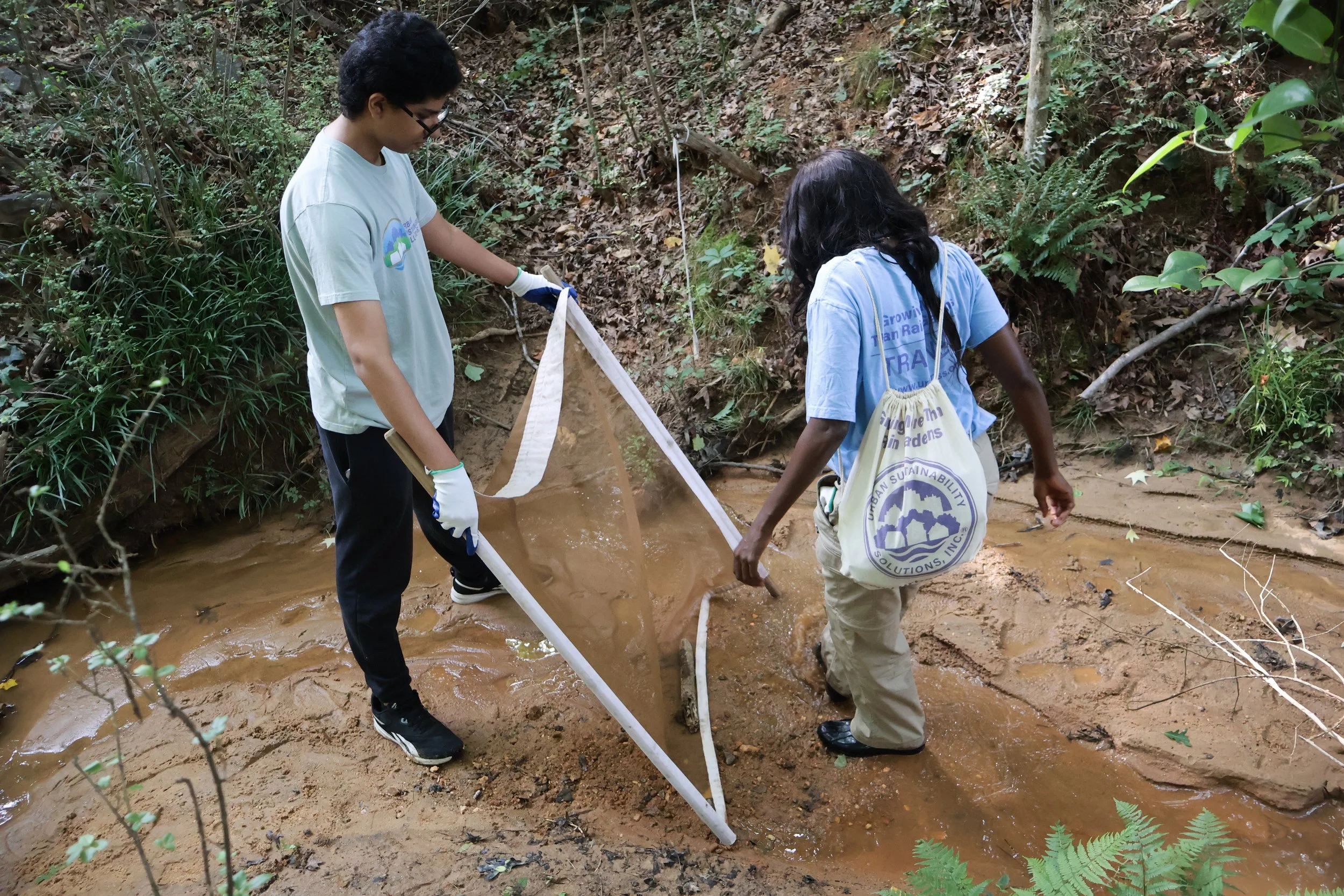
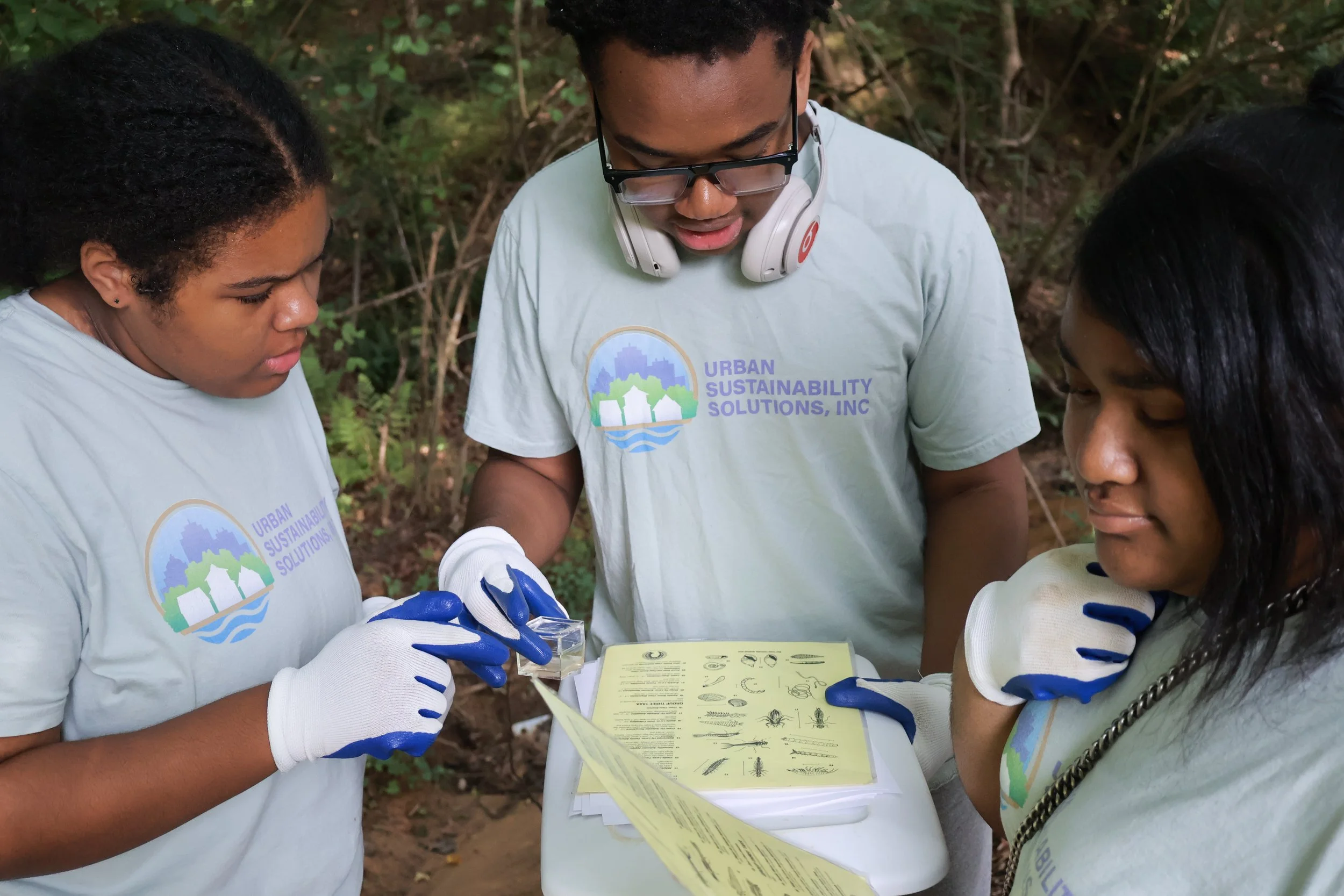
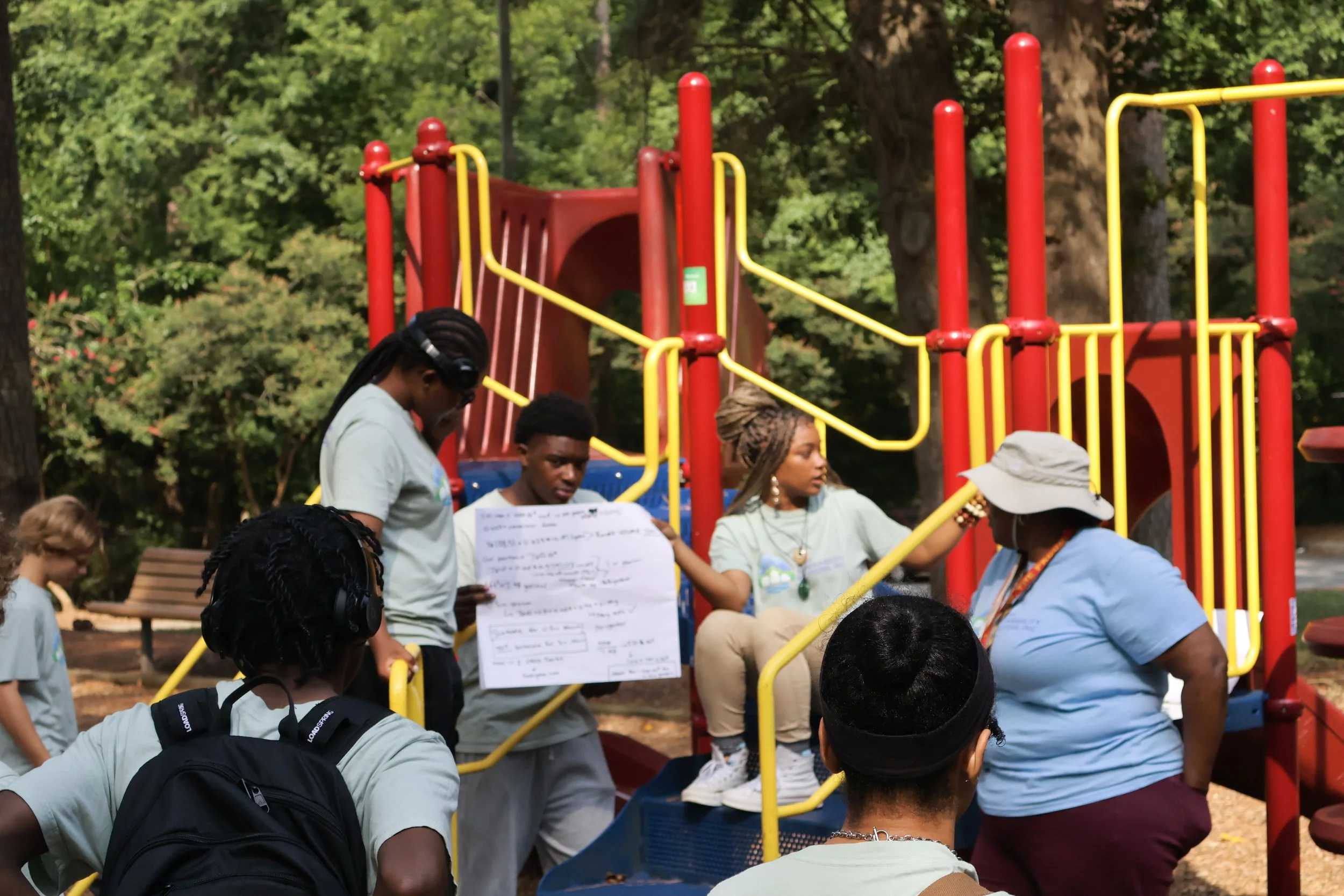
As part of the Advanced Rain Garden course, students took their learning a step further by developing detailed site designs and preparing to present recommendations directly to local homeowners. The group first visited the Walnut Creek Wetland Center, where they explored stream health through hands-on discovery. With guidance from Raleigh Stormwater Community Relations Analyst Dori Rathmell, students searched for macroinvertebrates—what we like to call “good water bugs”—using two different types of nets. Working in teams, they collected and identified species using field guides, gaining a deeper understanding of how these organisms indicate water quality. Students also toured the facility and nearby bioretention areas with parks maintenance staff, seeing how stormwater systems function at a larger scale.
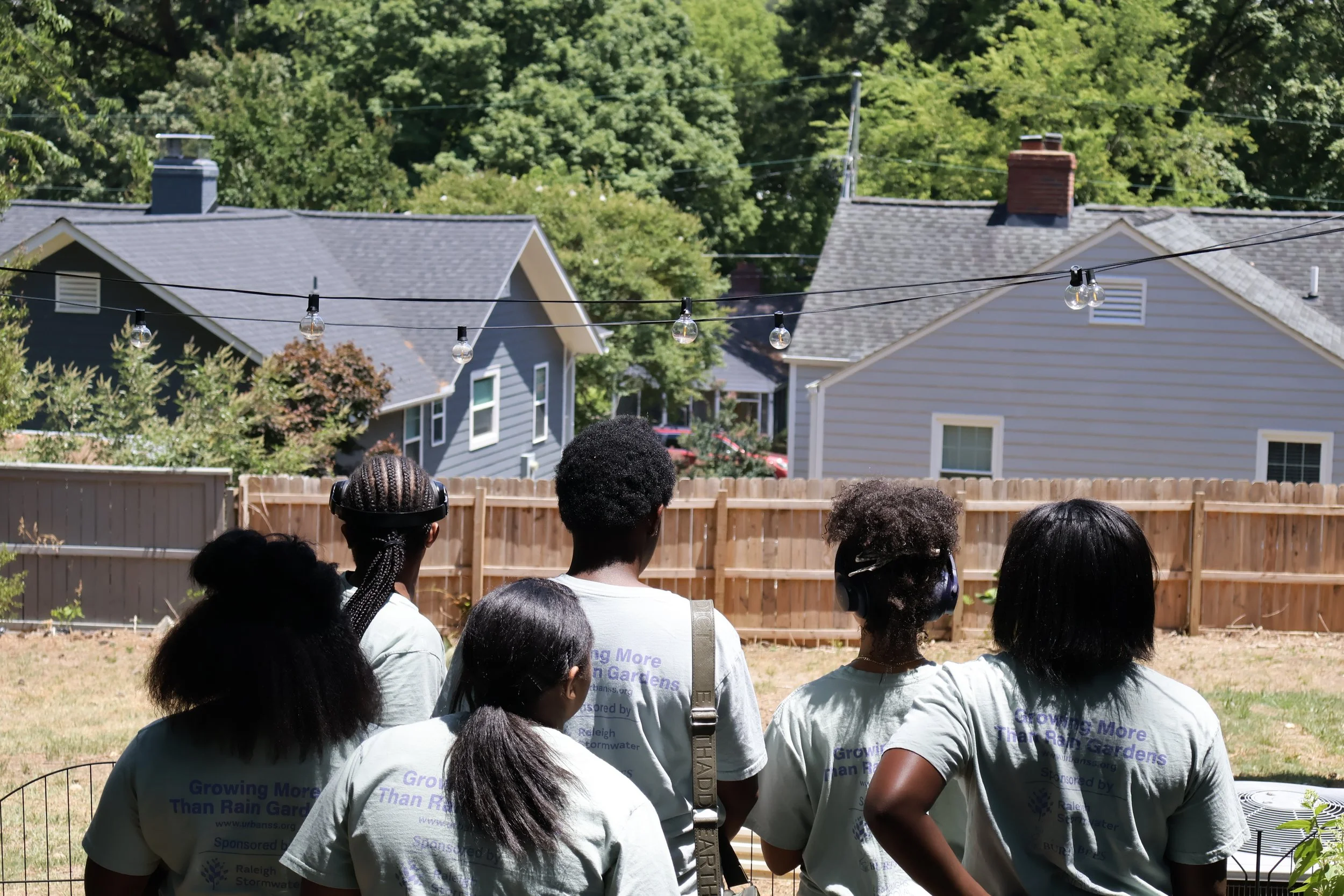
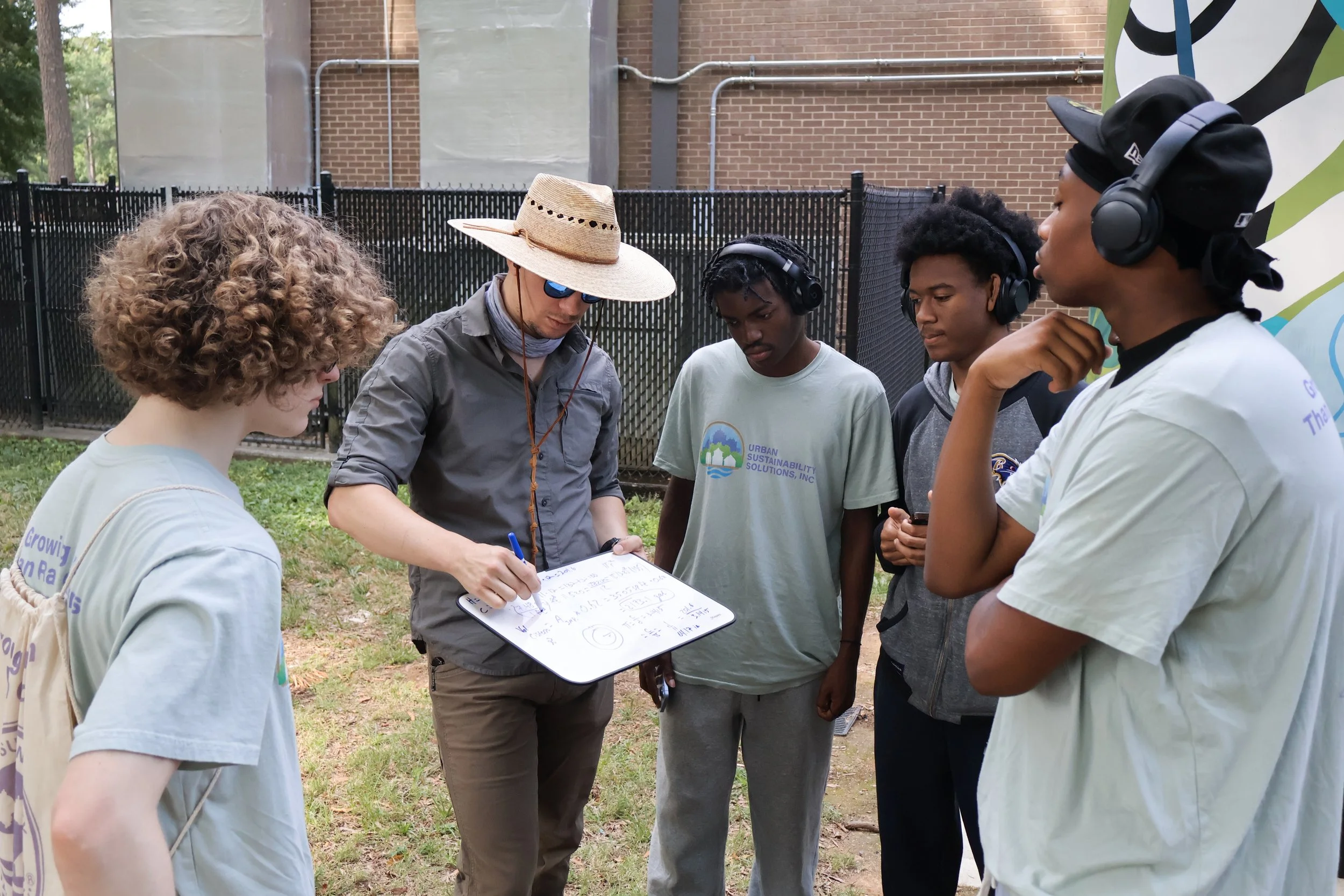
Building on this experience, the group visited a recently completed residential project on Frank Street, where they learned about the installation process and the impact of the stormwater practices already in place. They then walked to a neighboring property, where they presented their own design plans to a homeowner for her backyard. Each student group discussed practical solutions to address drainage and erosion challenges, as well as recommended plant selections suited to the site’s conditions. This real-world presentation experience helped students strengthen both their technical knowledge and their ability to communicate solutions with community members.
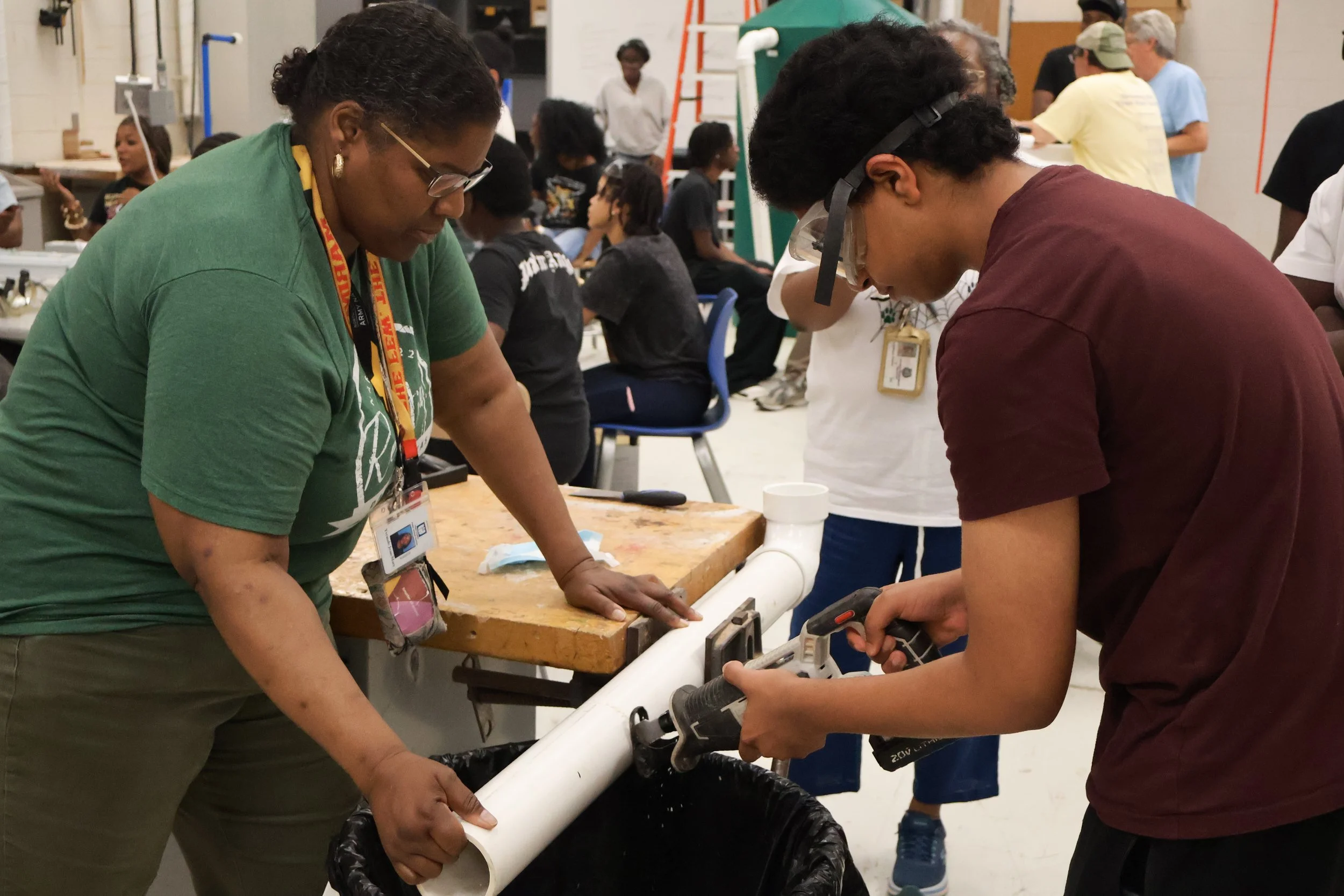
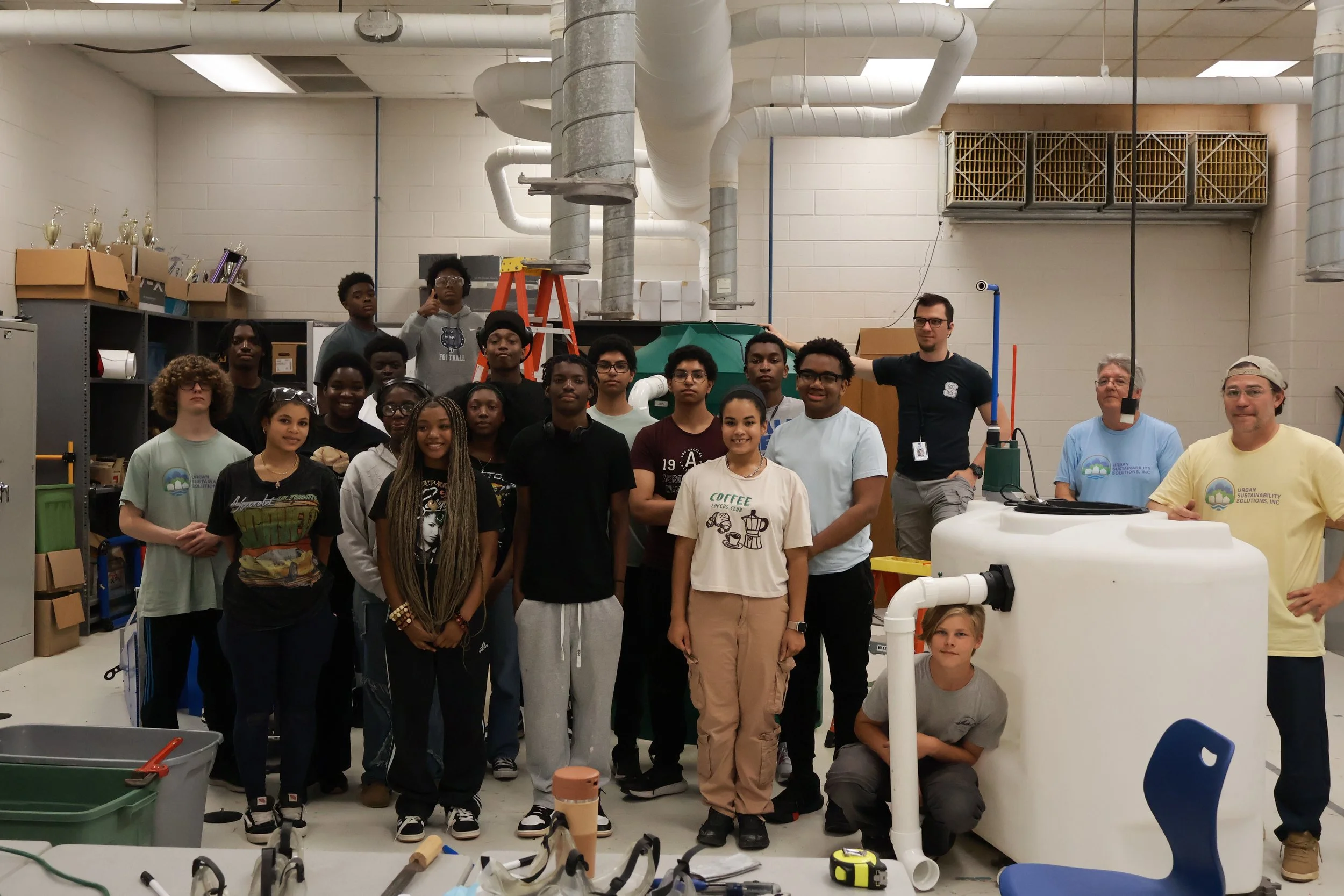
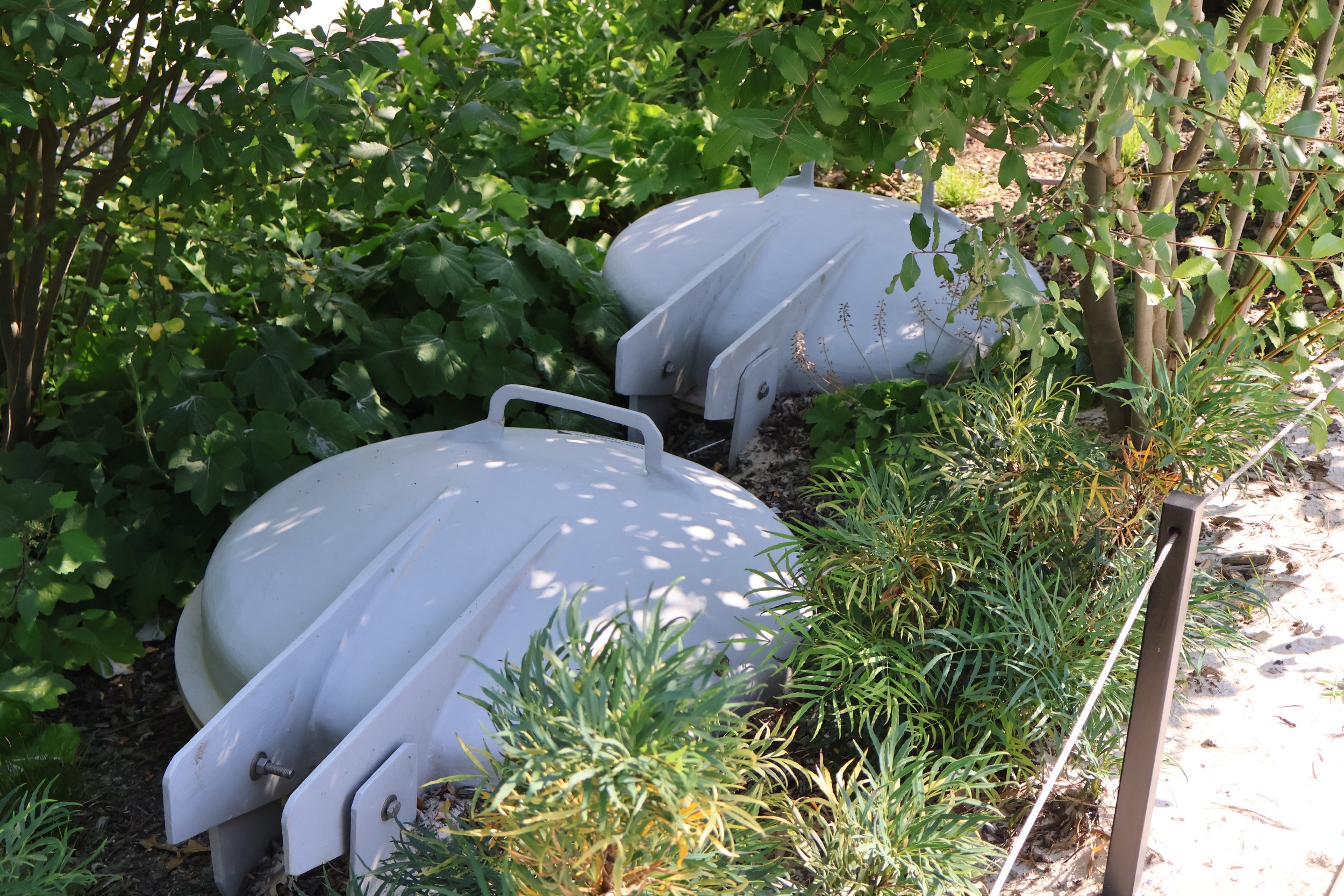
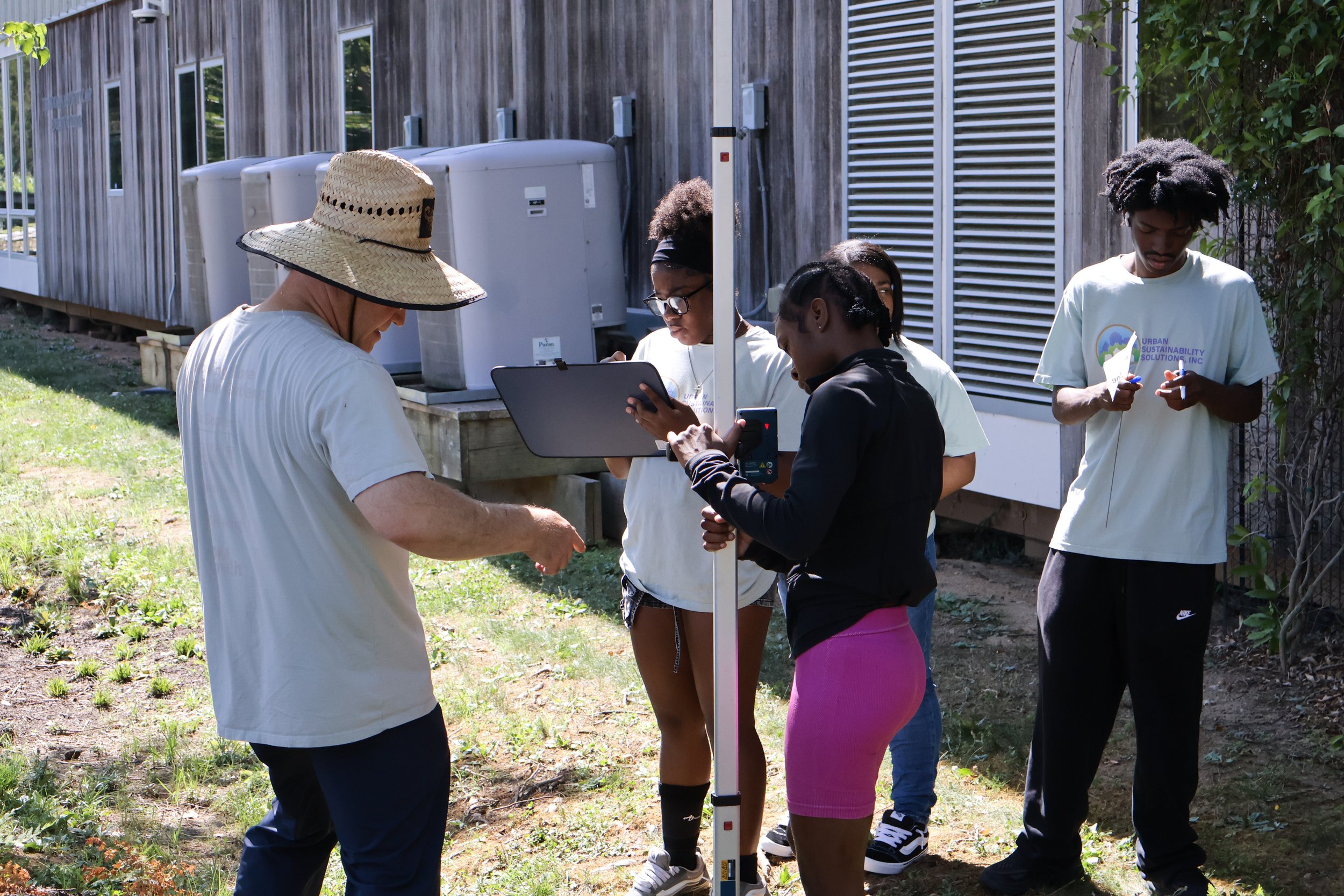
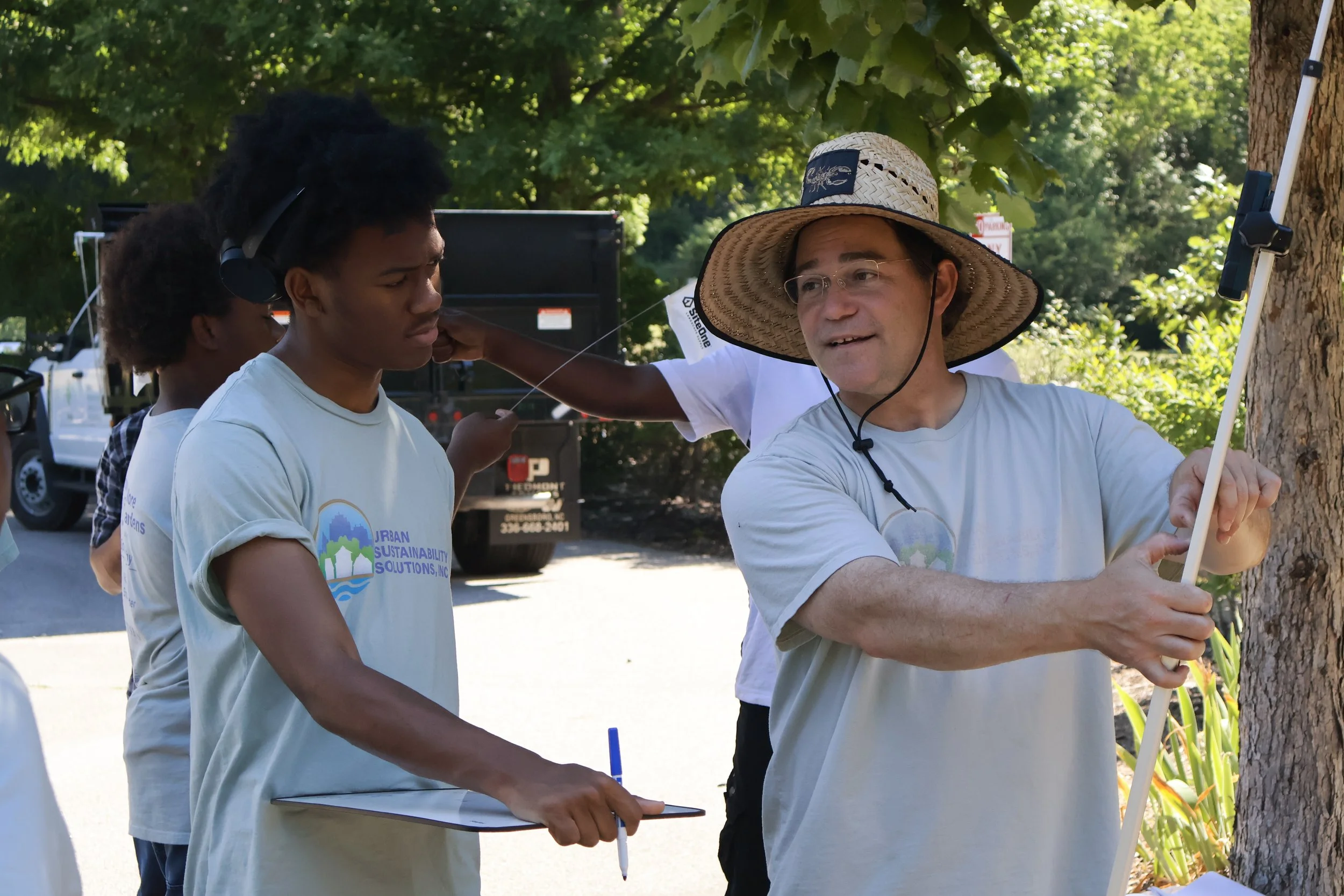
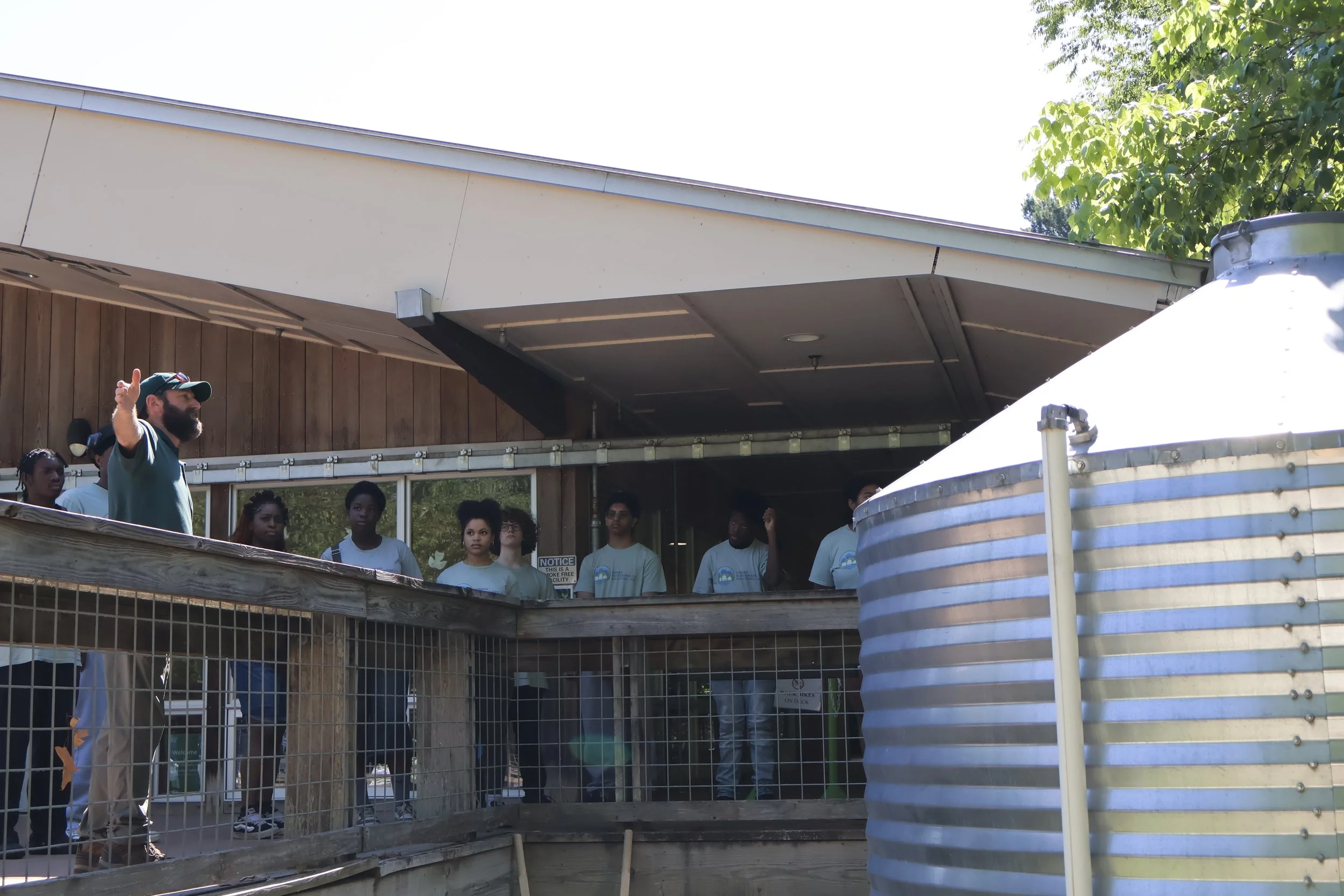
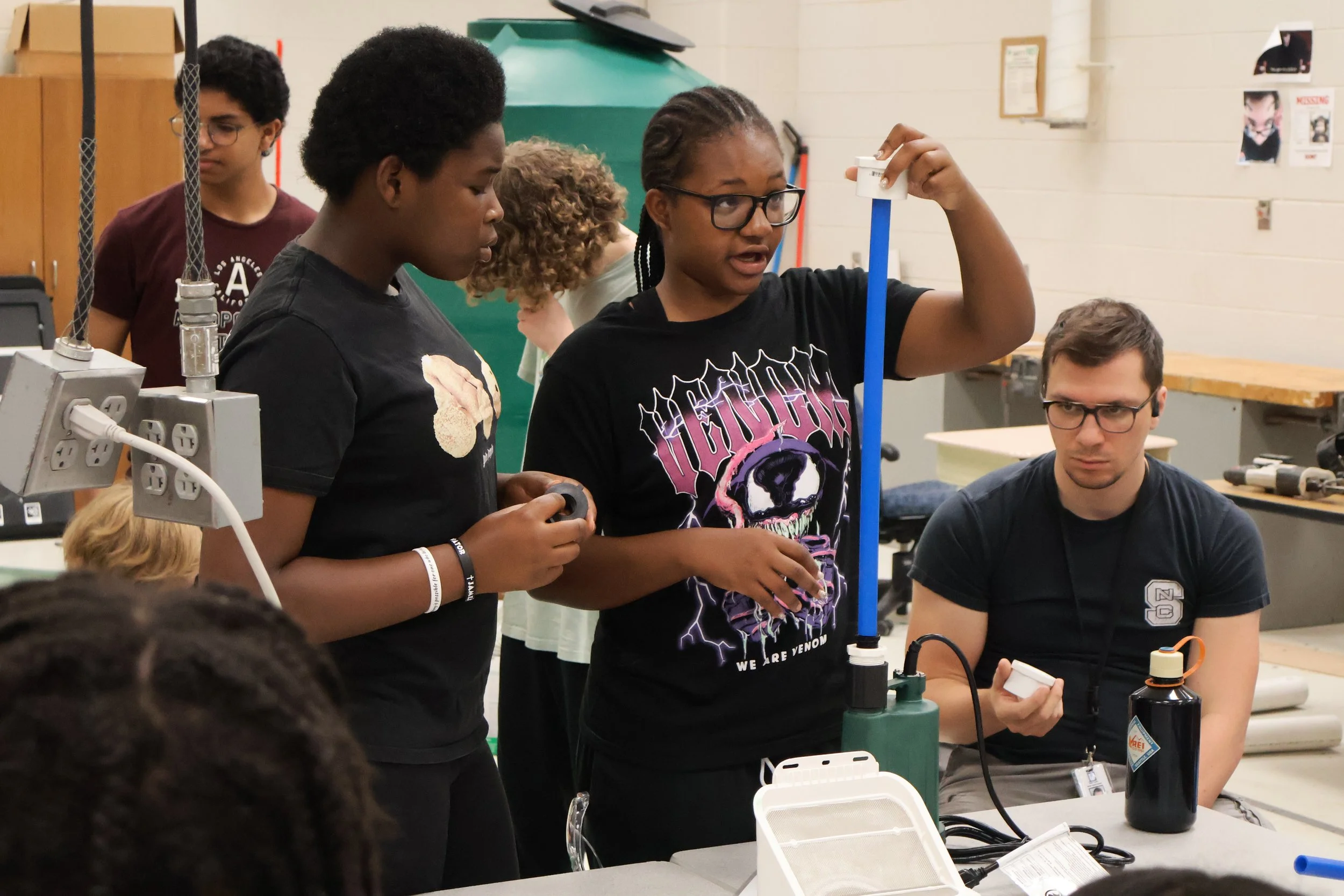
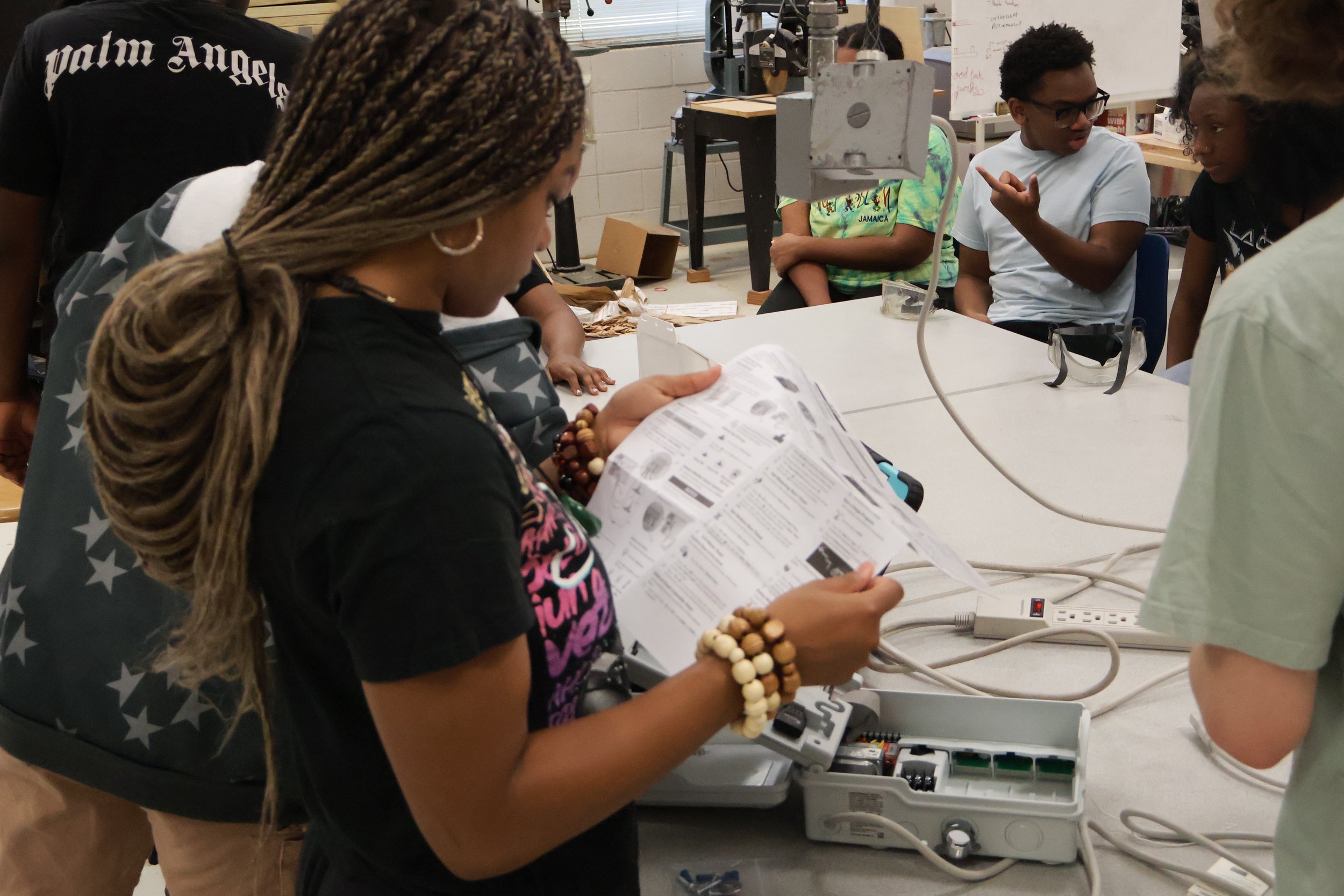
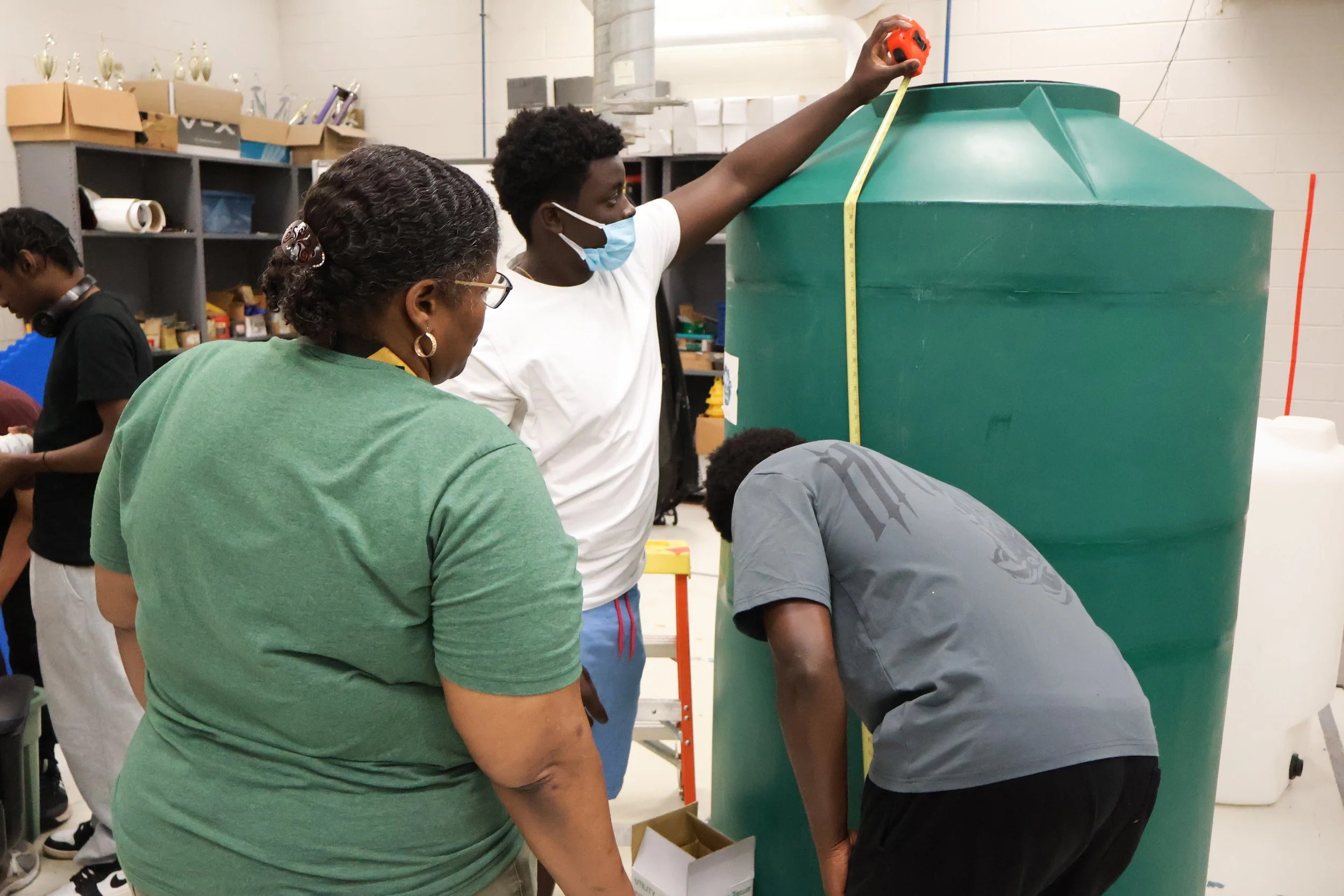
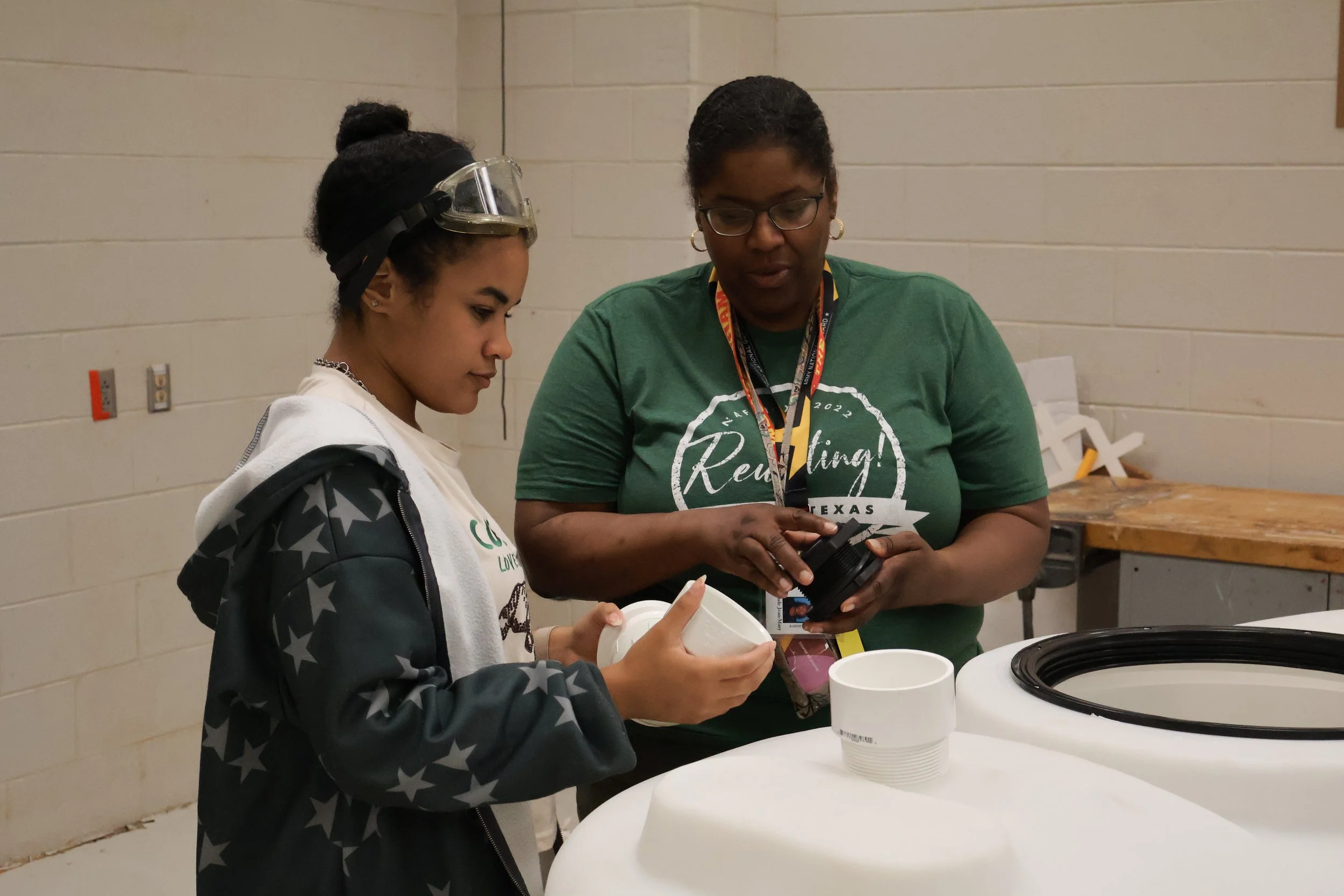
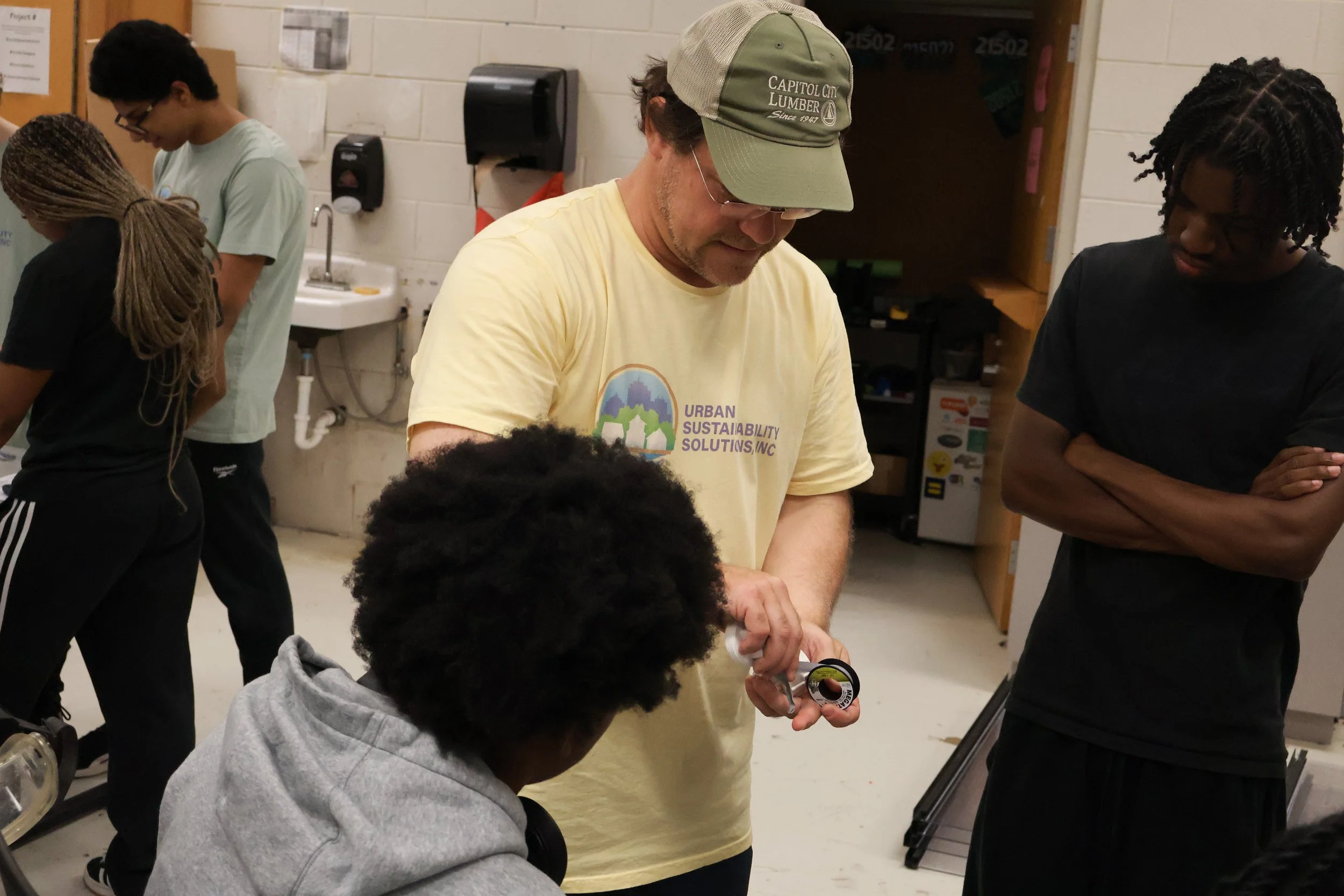
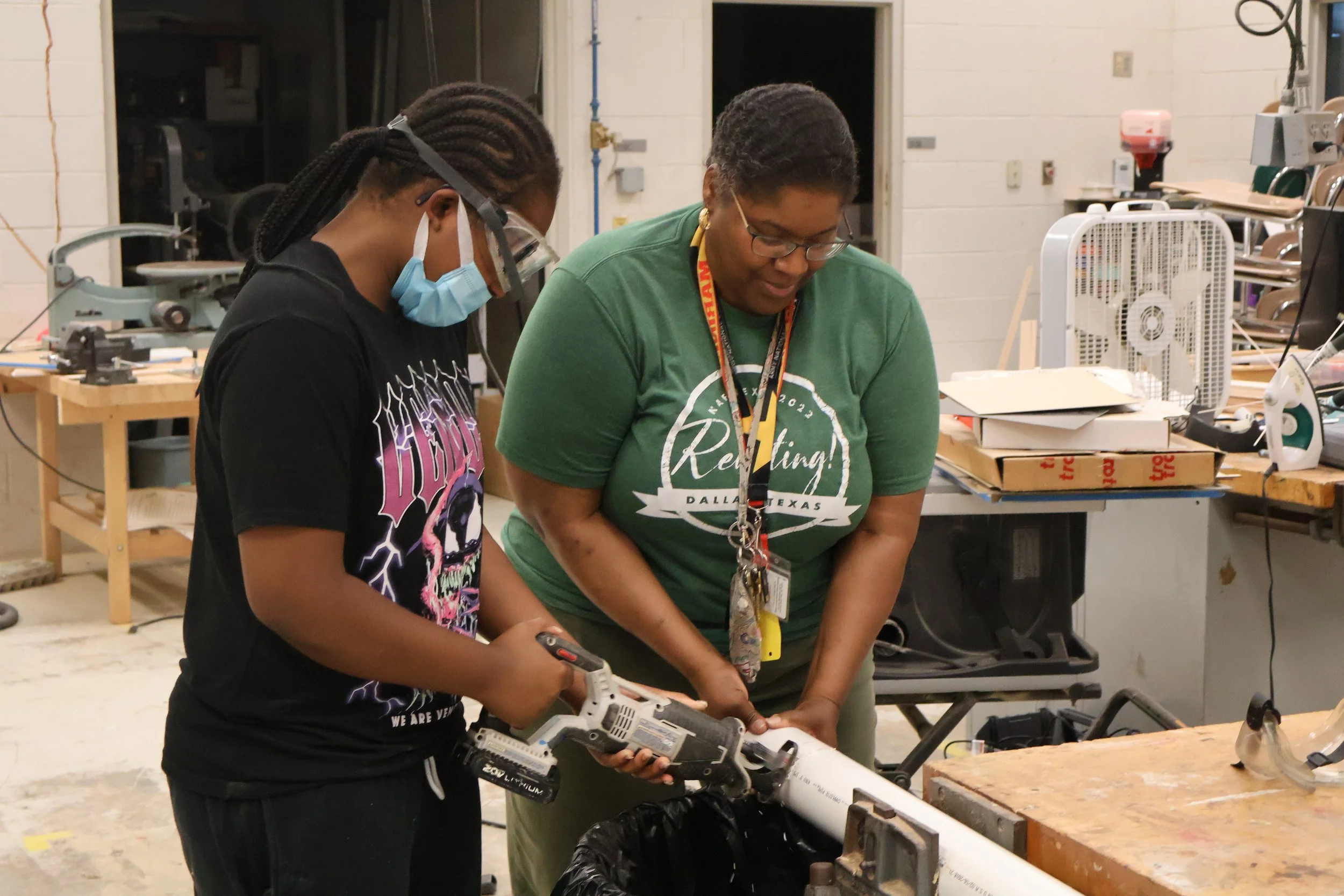
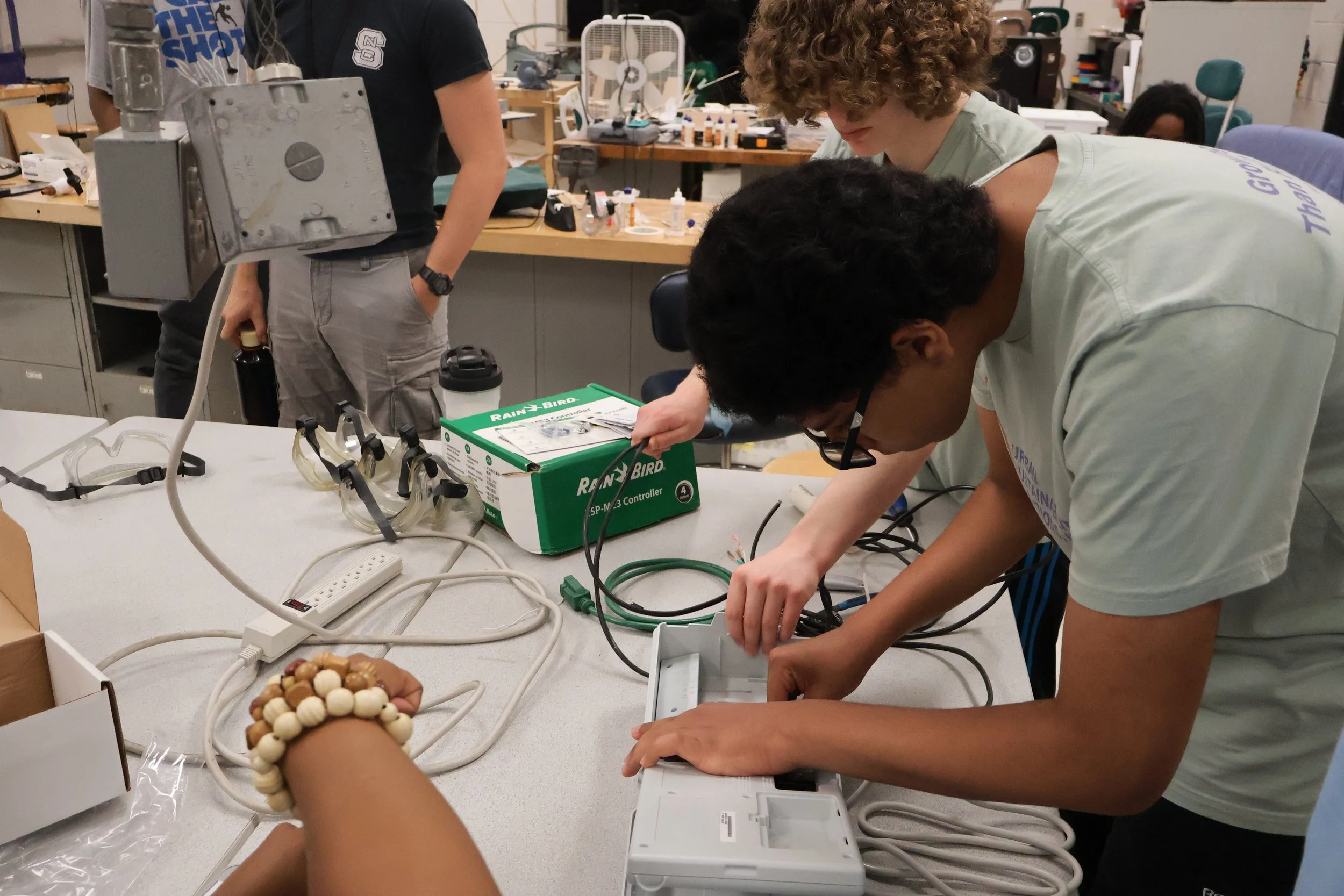
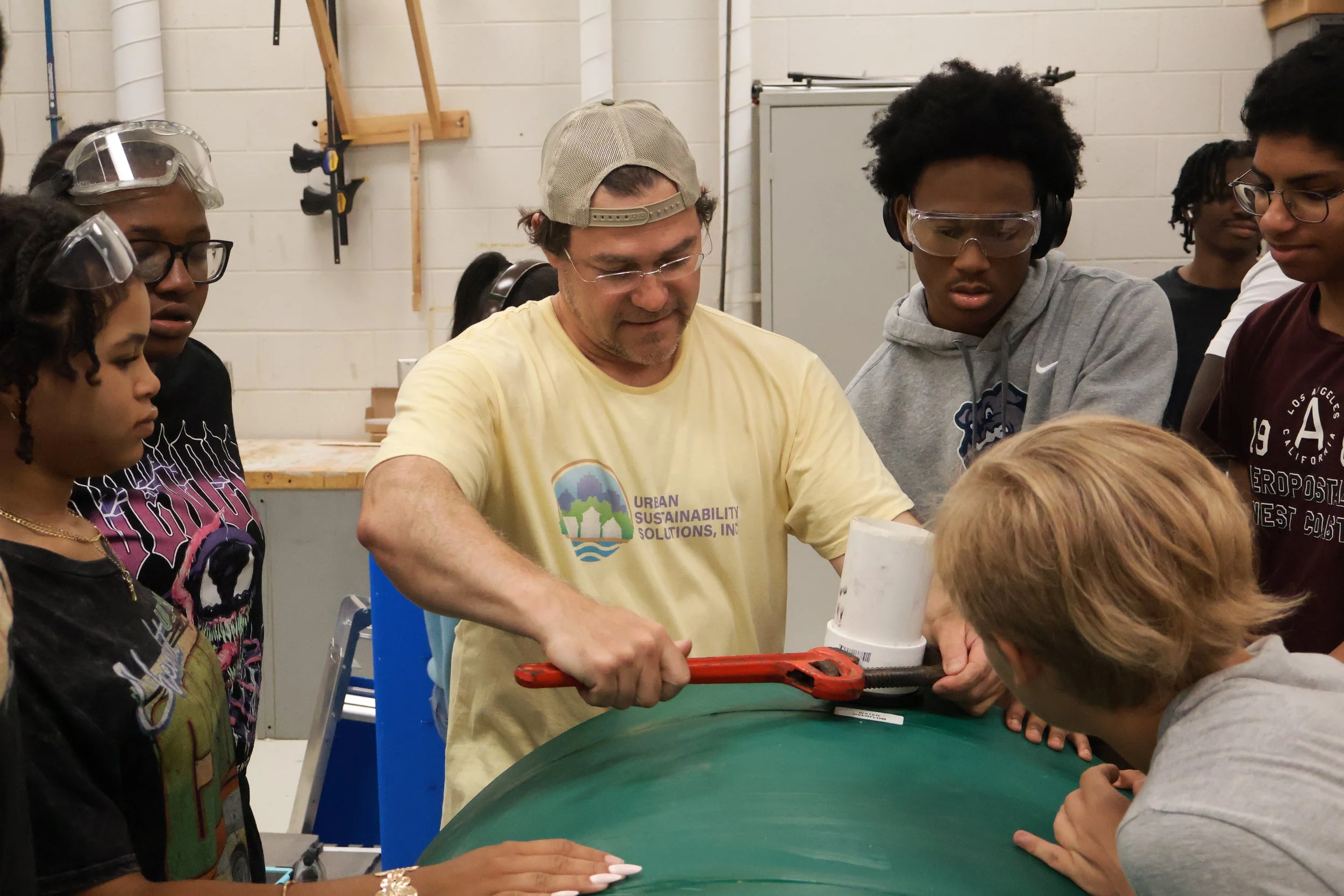
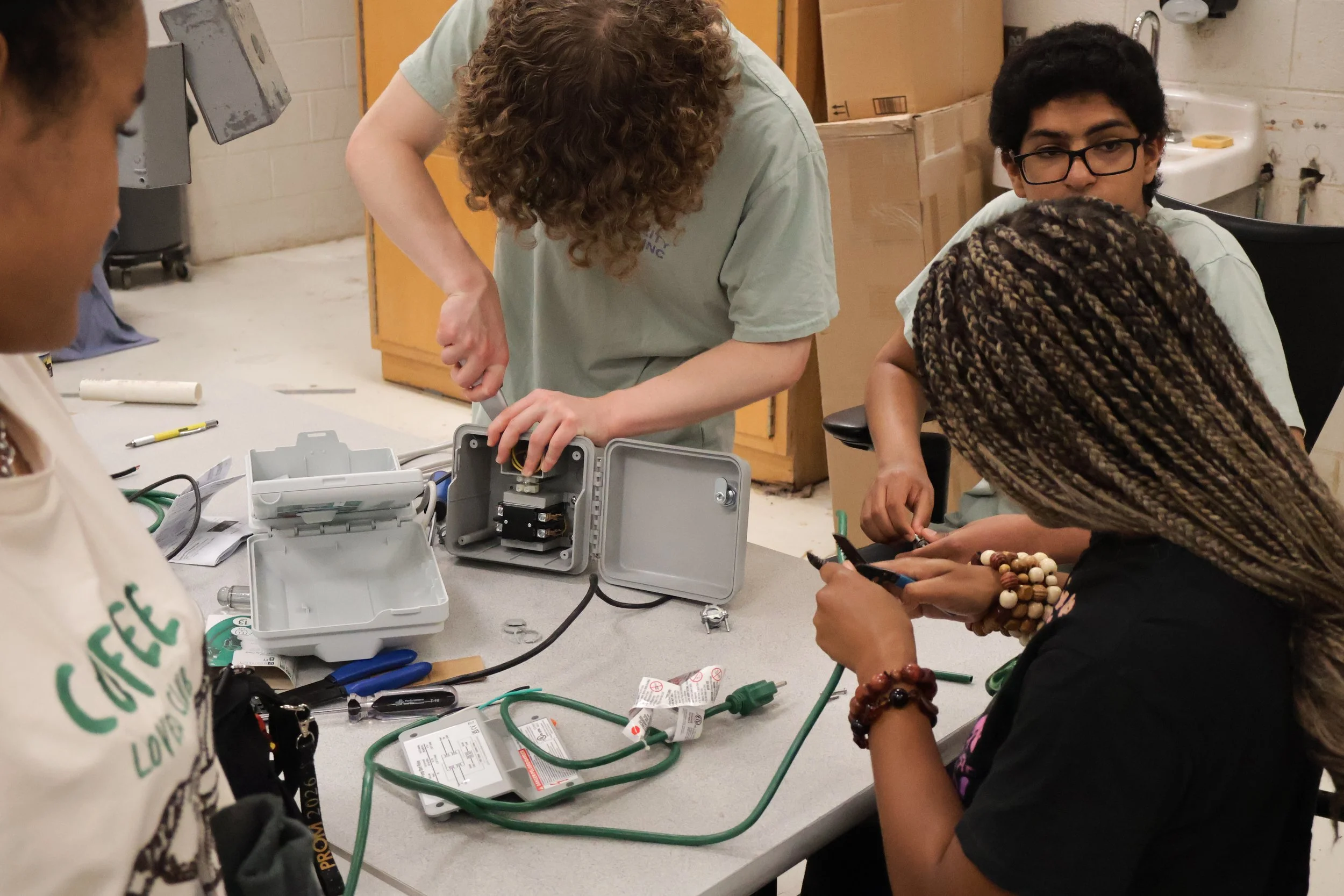
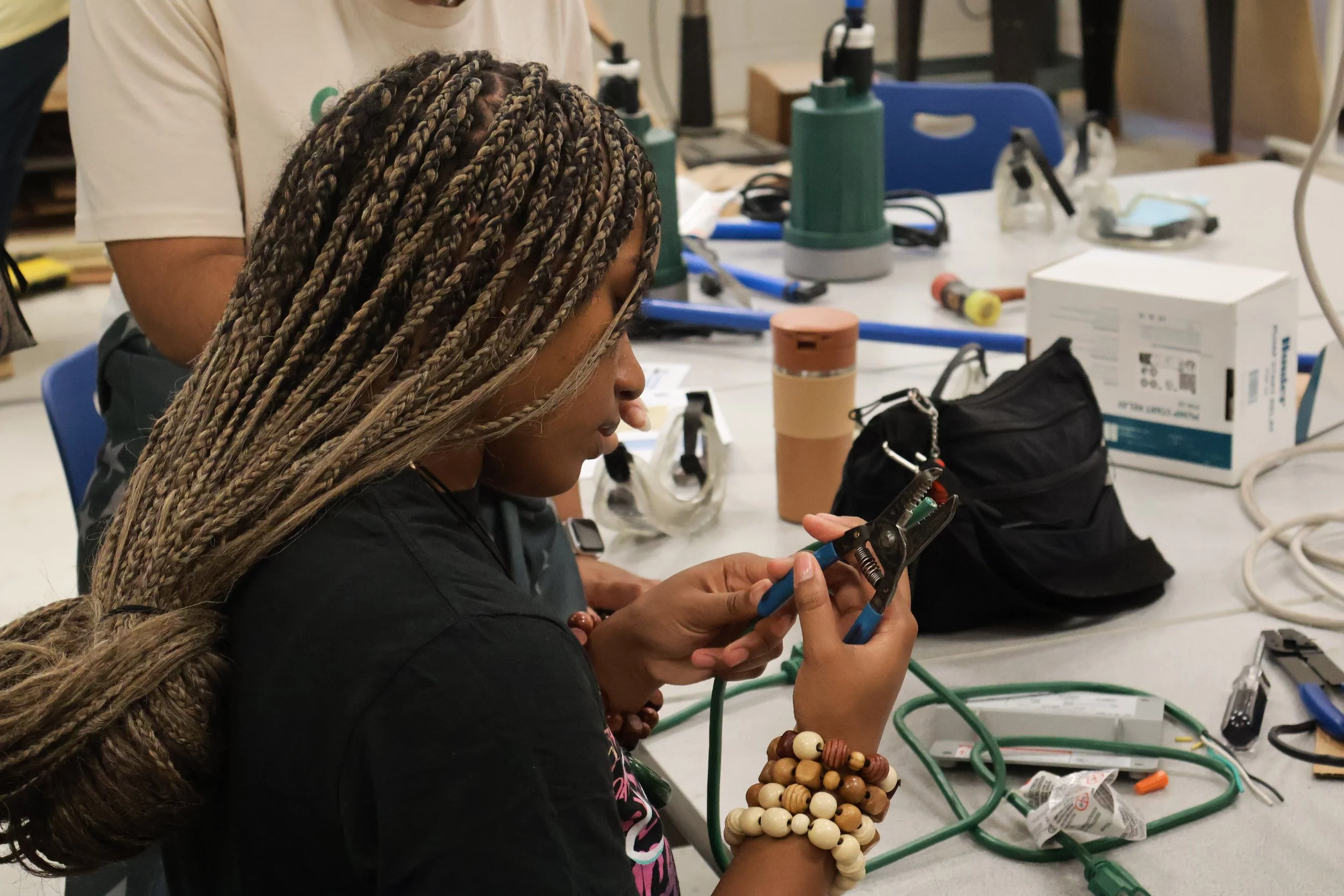
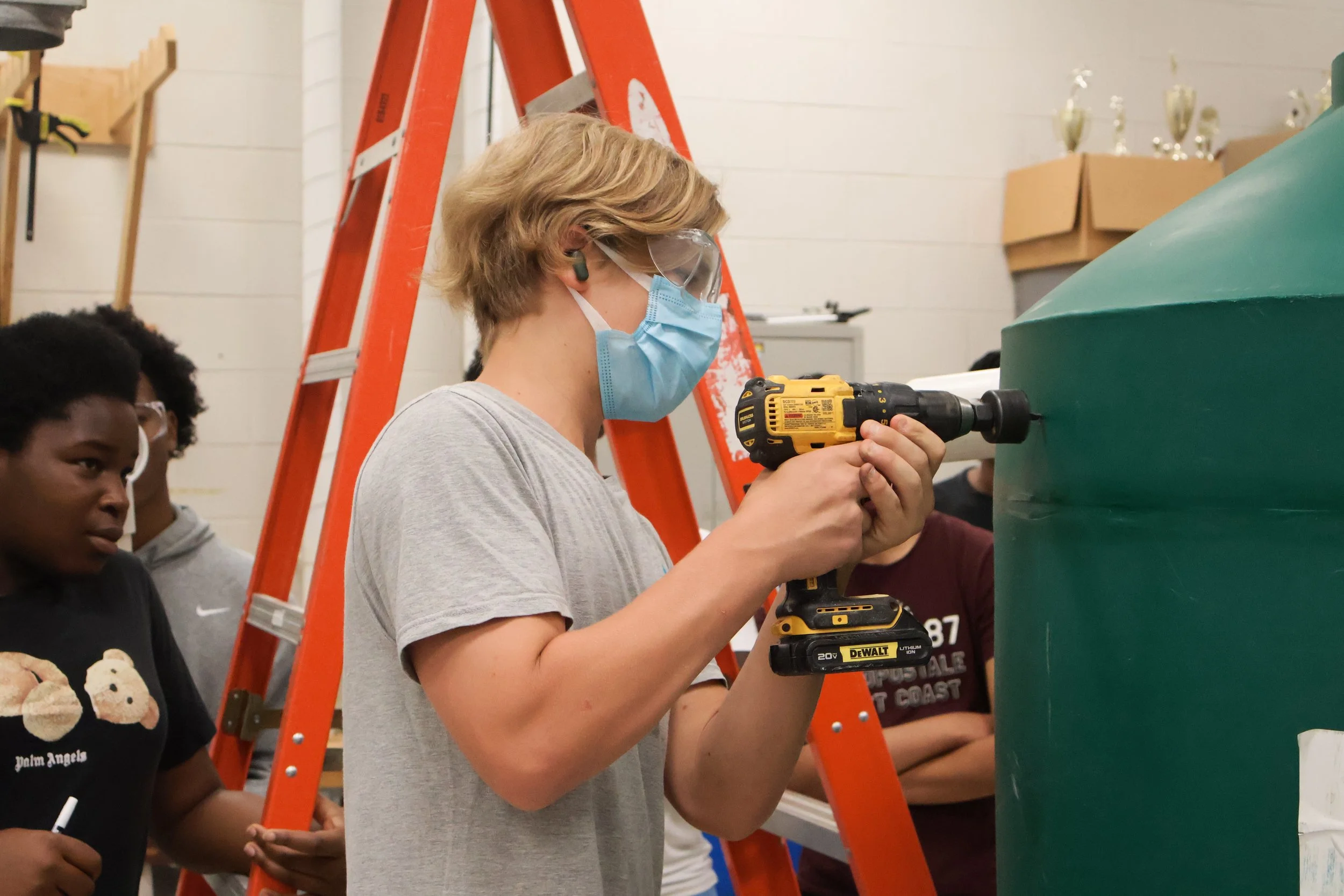
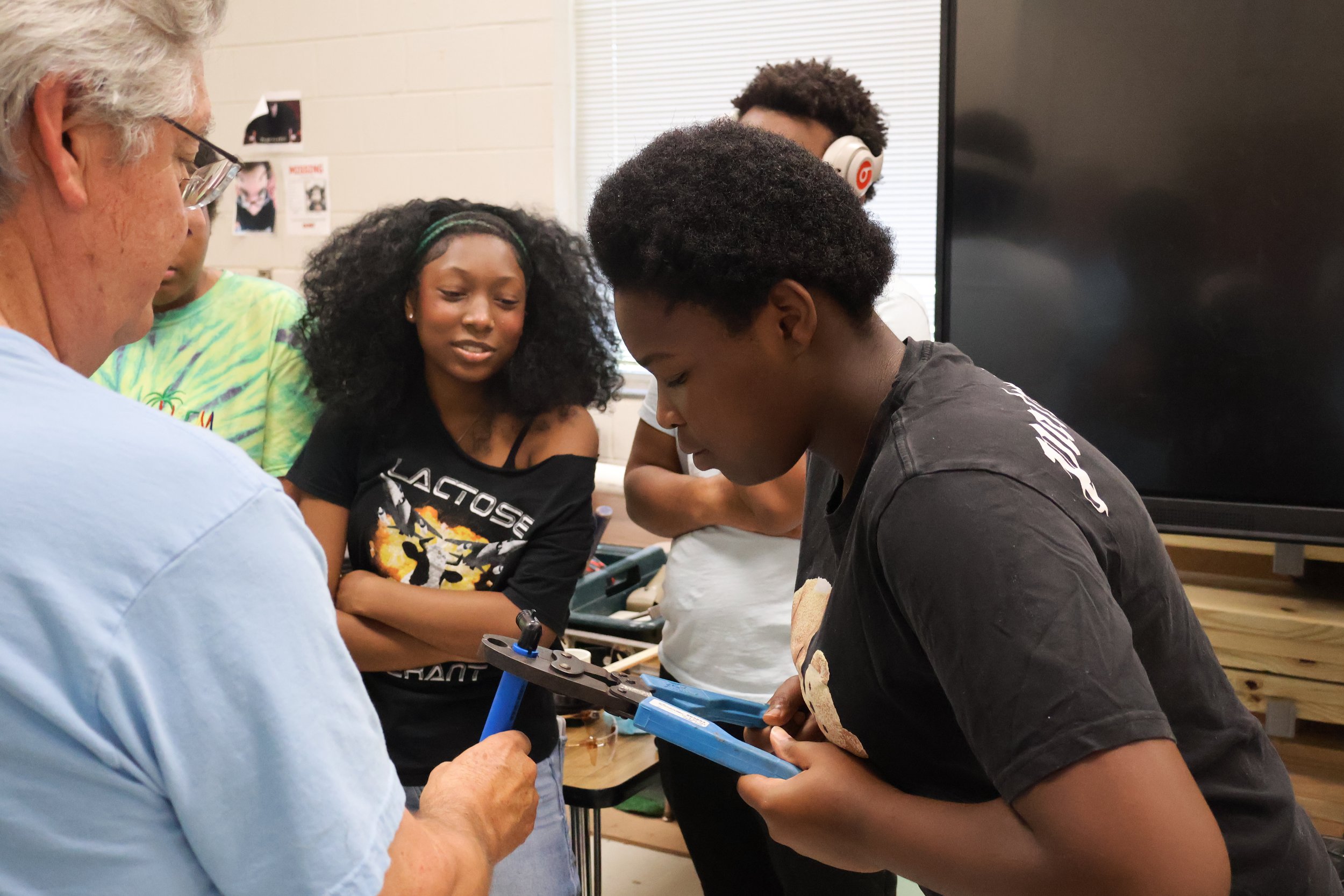
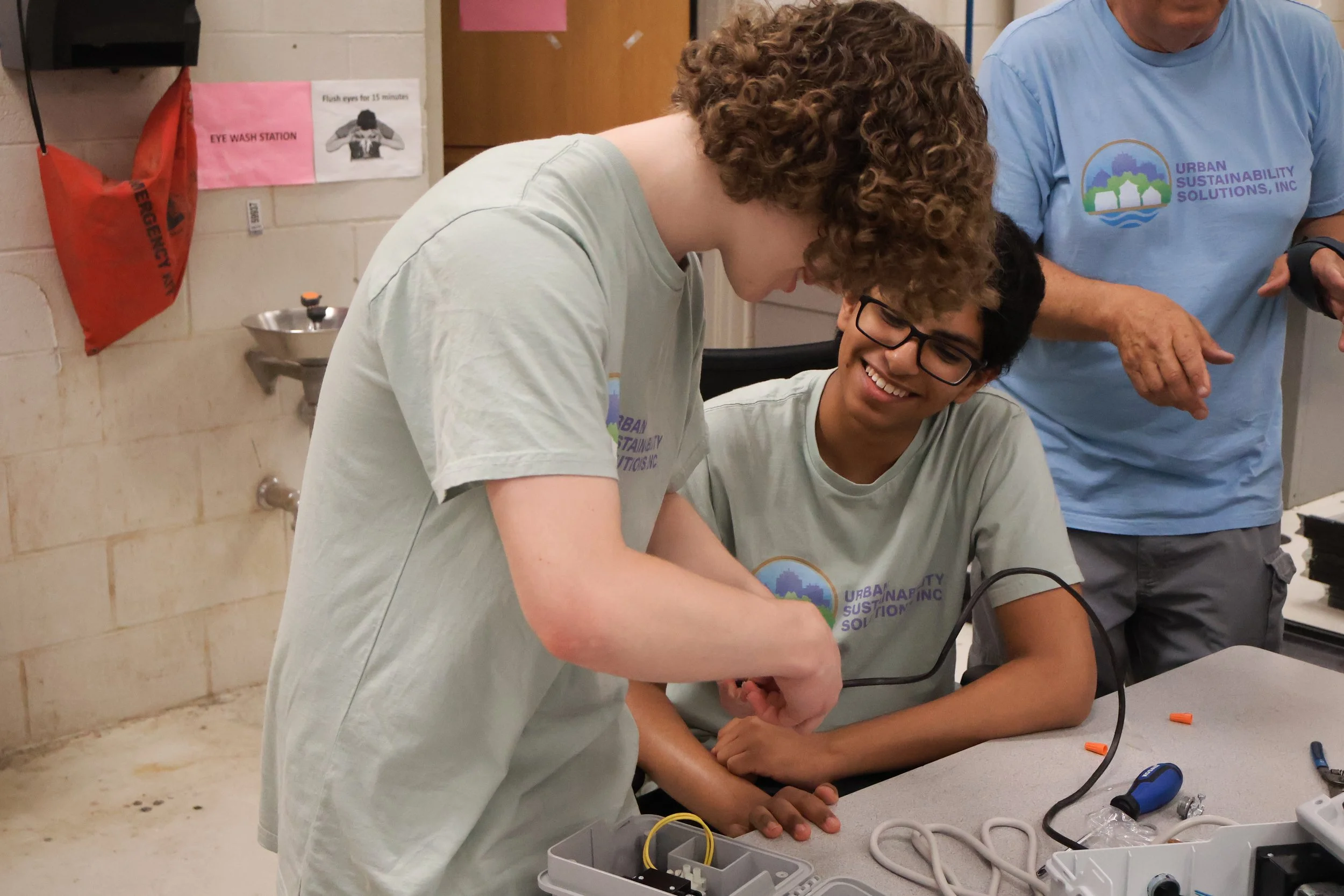
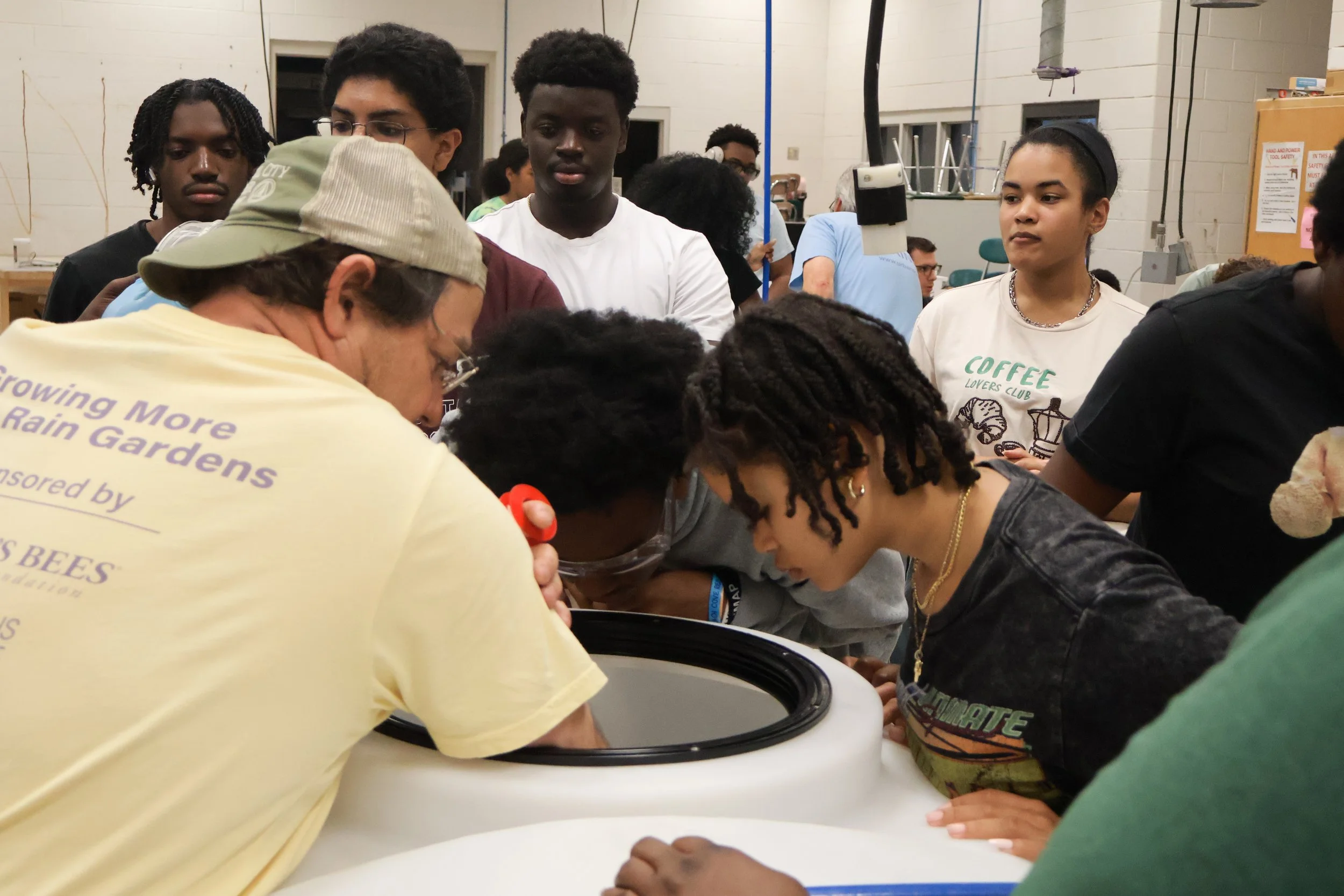
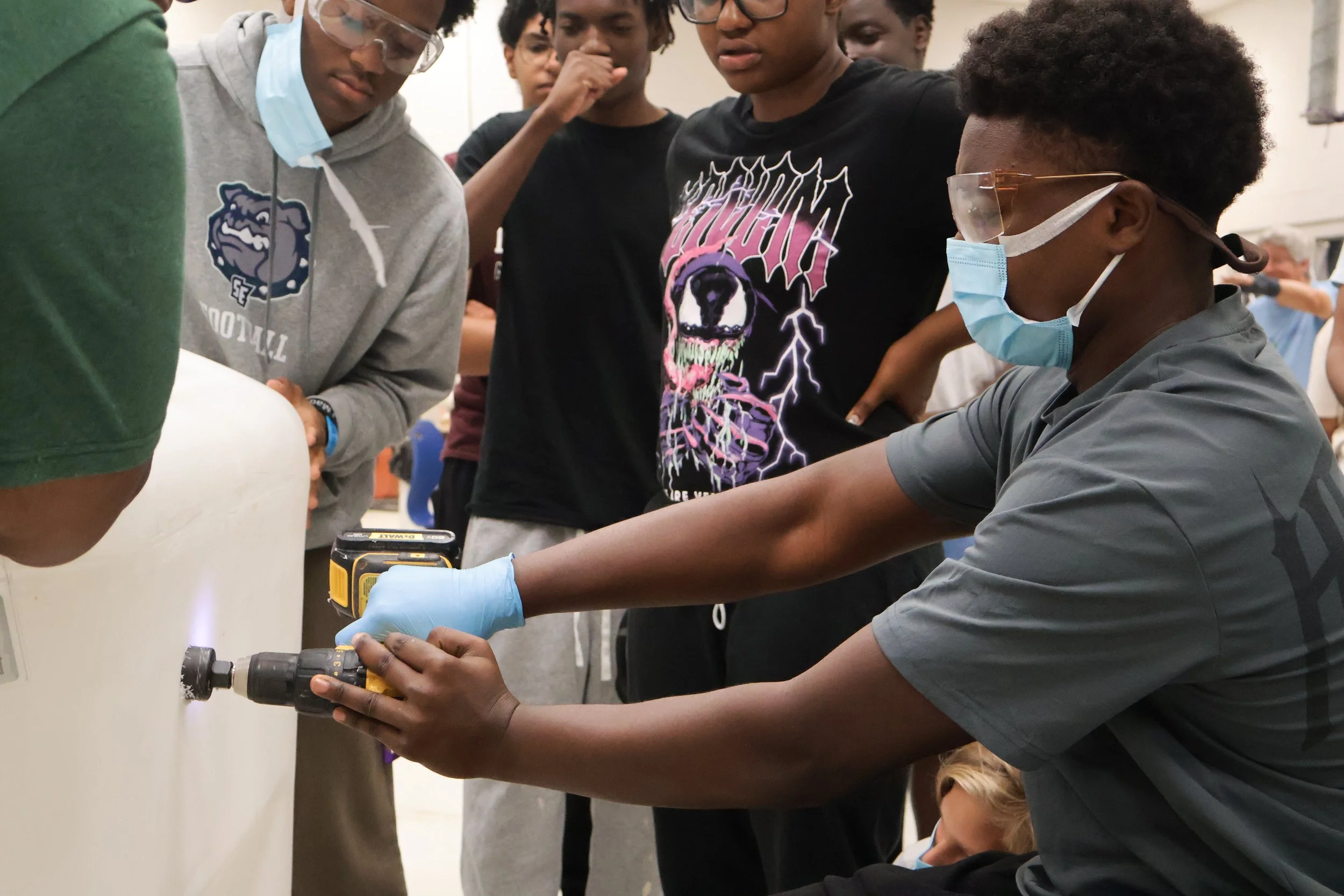
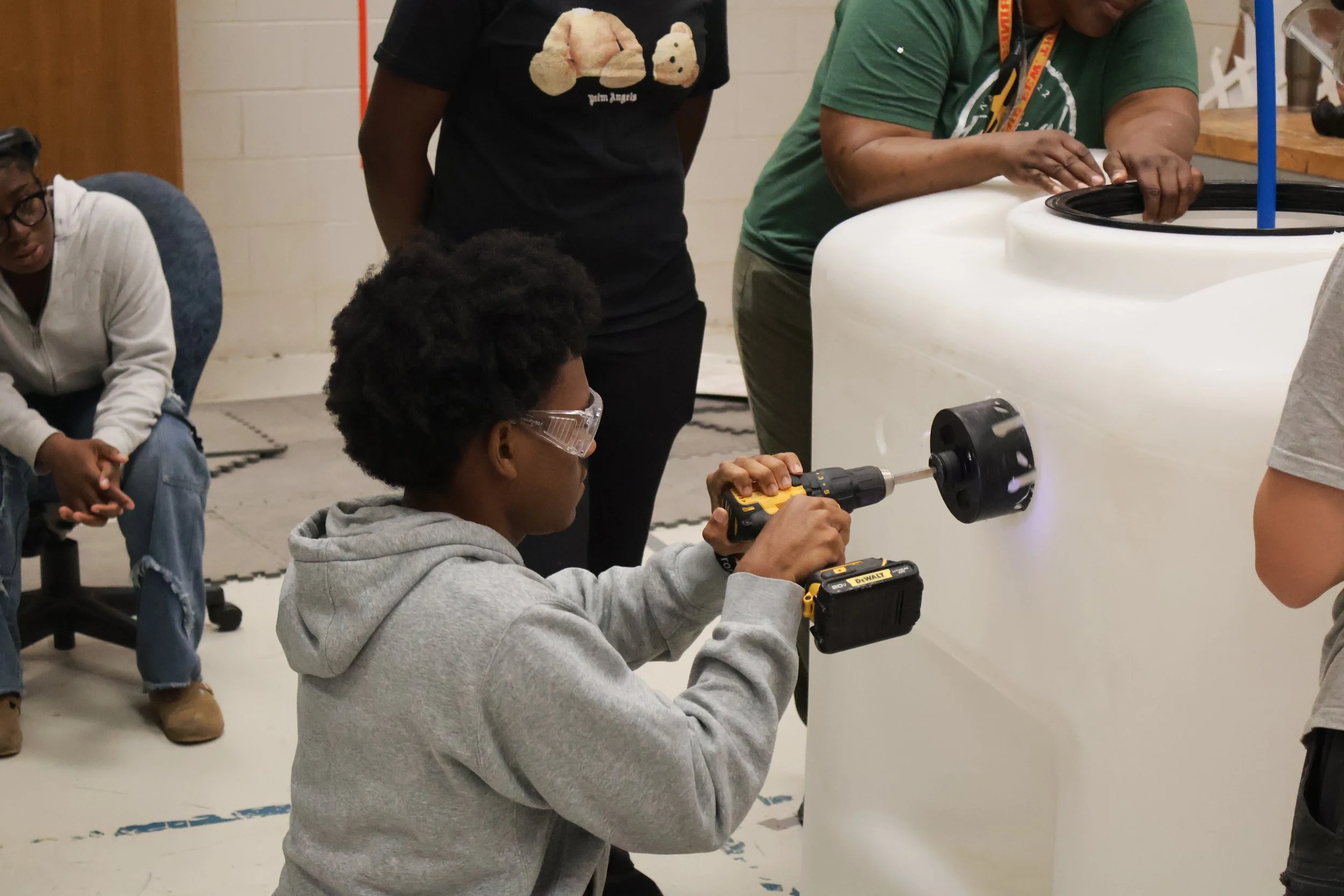
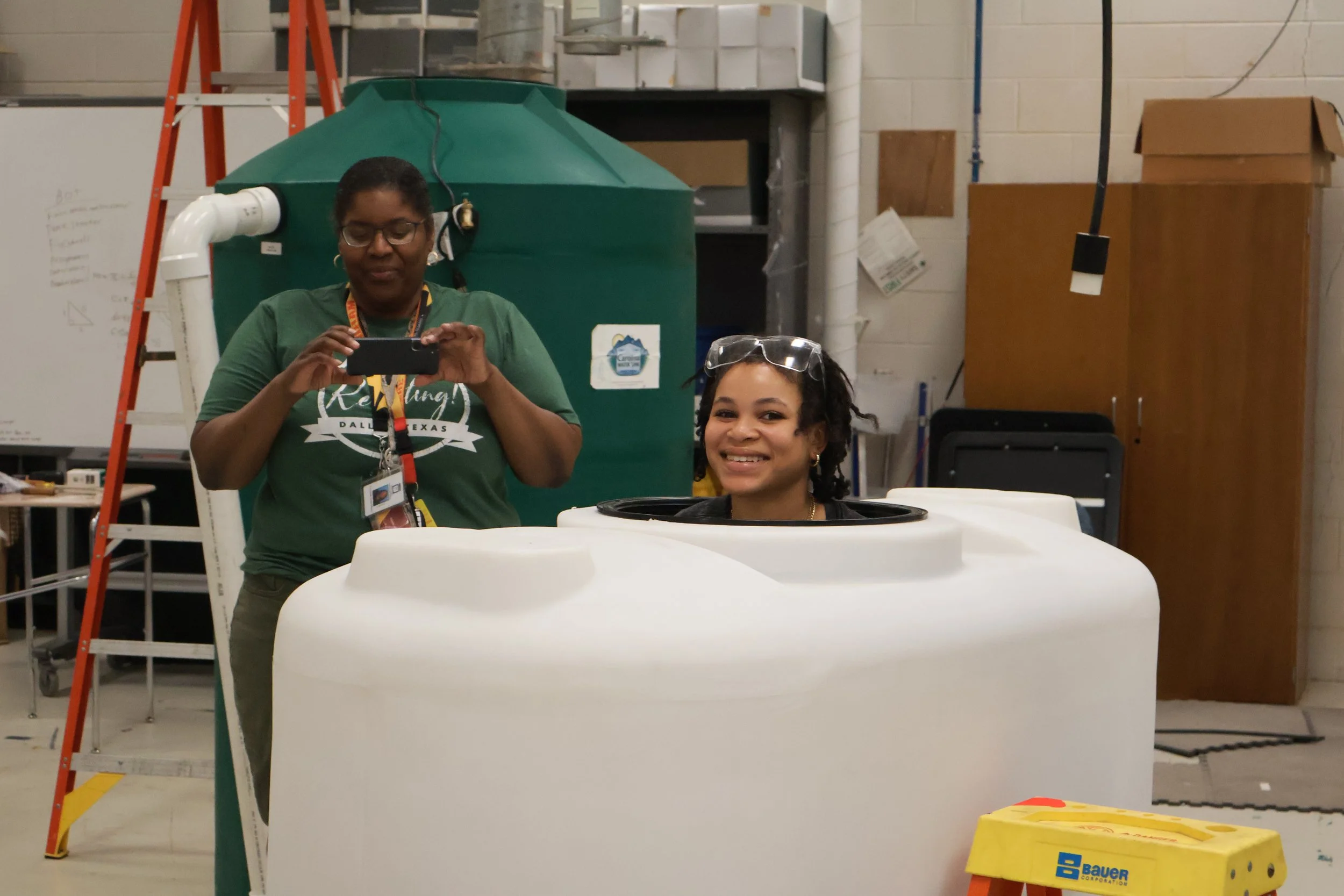
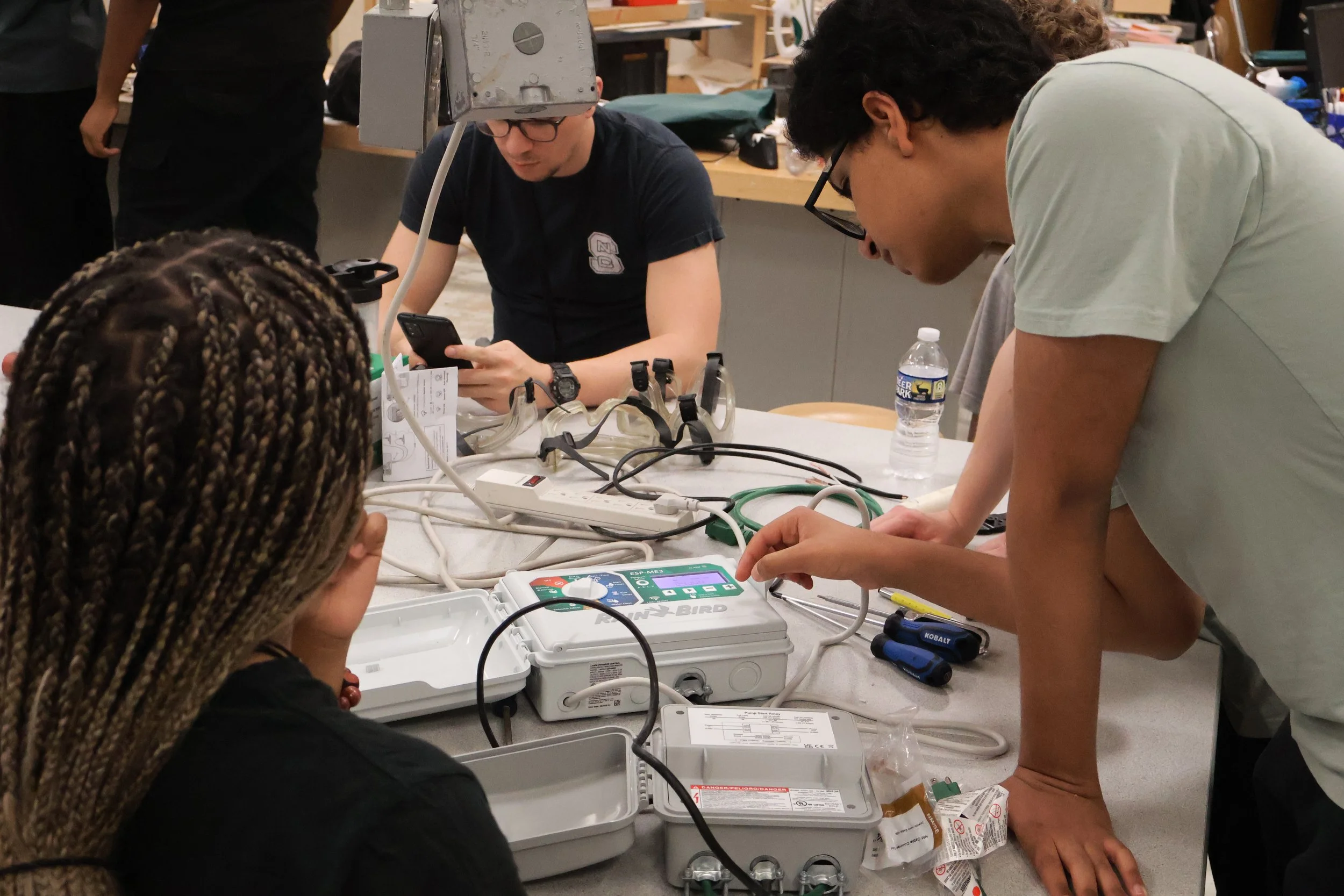
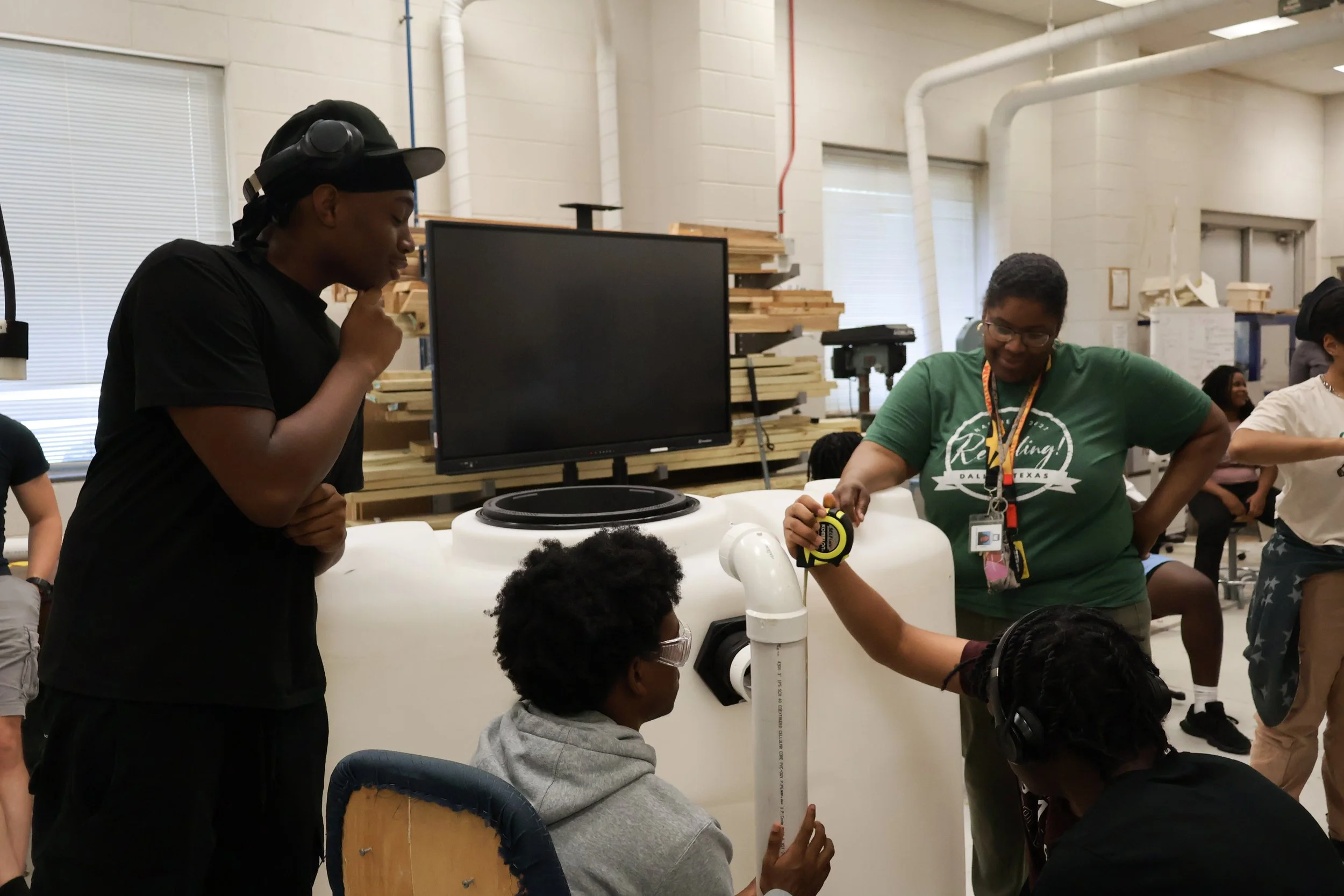
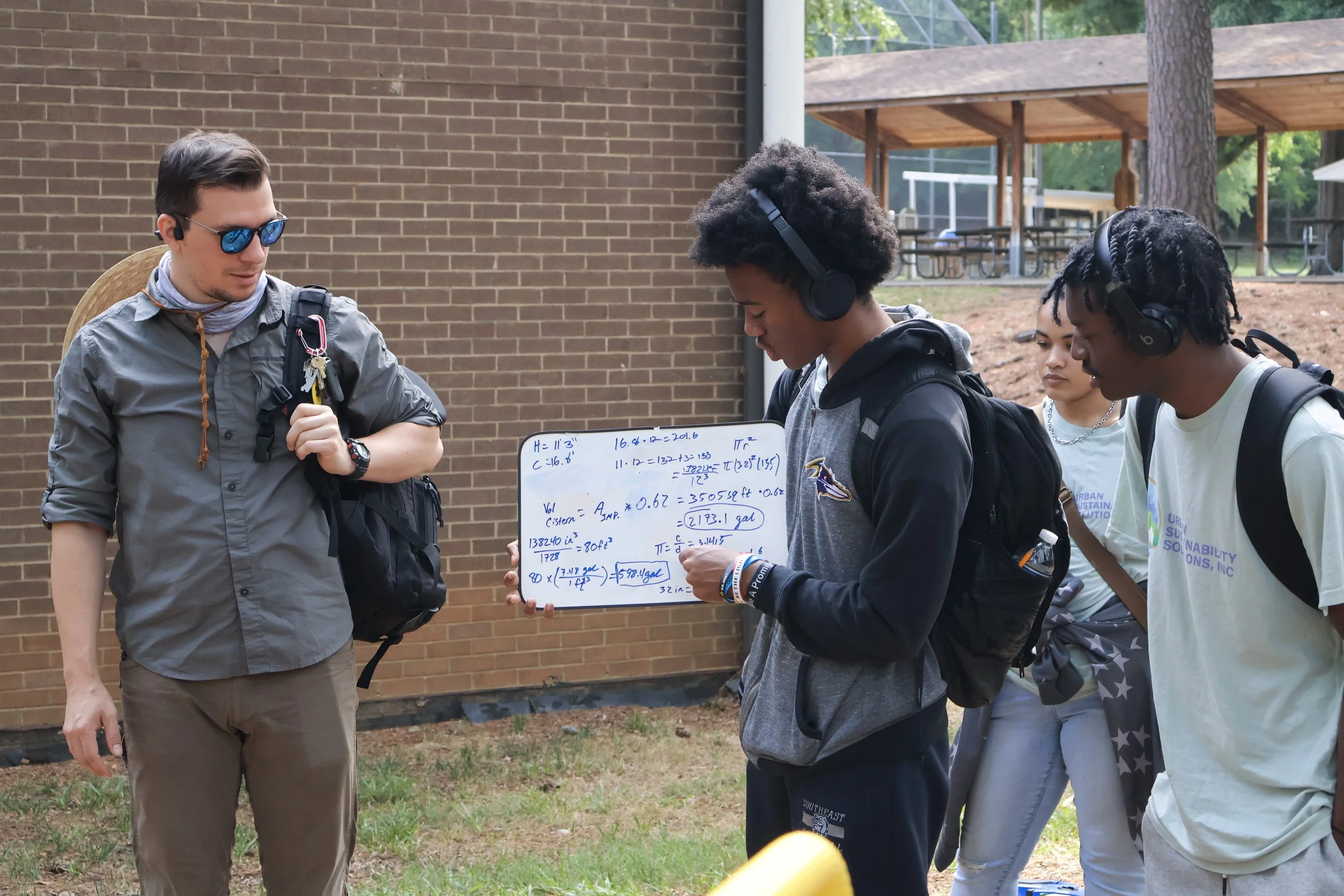
In the final week, students participated in the Cistern Course, where they focused on water harvesting systems and hands-on construction skills. The group spent the first day learning about the key components of a cistern system, then applied that knowledge by assembling two cisterns for local clients. Students worked through the full process—measuring and cutting piping, drilling overflow connections, wiring the pump start box and irrigation control system, and preparing the units for delivery and installation. The following day, they visited Biltmore Hills Park, where they observed existing cistern systems in action and continued building their understanding of water quality through macroinvertebrate sampling.